Category: Non classé

  • How to Measure for a Custom Italian Suit

    How to Measure for a Custom Italian Suit

    Introduction

    Measuring yourself for a suit can seem daunting, but doing it at home empowers every man to achieve a perfect fit. When you take accurate measurements for your suit, you save both time and money. Even more important, you get a sense of control over your own style, which helps you embrace elegance and confidence. If you value professional appearances in the Swiss business world, this guide is for you.

    Italian suits have gained legendary status for their craftsmanship, comfort, and timeless appeal. A custom Italian suit specifically offers unmatched precision and elegance. With ItalianSuits, you can enjoy a refined, luxurious look in your formal menswear without stepping foot in a tailor’s shop. Thanks to reliable DIY measurements for suits, you can achieve a flawless fit right from your own home. This step-by-step guide is designed to help you effortlessly measure every part of your body and understand the significance of each measurement. You’ll be able to create your ideal made-to-measure suits or even a bespoke suit if you decide on a tailor’s final touch.

    We’ll cover the specific tools you need, the correct posture to maintain, and every essential tip that ensures your Italian suit showcases true elegance. Whether you’re a busy man managing a Swiss corporate schedule or someone who appreciates top-notch style, these instructions will help you enjoy the perks of measuring your suit at home. From chest measurement to trouser length, no detail is too small. Let’s explore how to measure for a suit with confidence and precision, so your attire exudes class both in business settings and during formal events.

    Why Proper Measurements Matter

    Your suit is more than just clothing; it is a statement of a man’s personal brand, a demonstration of style and composure. When you invest in your appearance, especially in a quality Italian suit, you want it to highlight your elegance without compromise. In business attire, this becomes even more crucial. A poorly fitted jacket or mismatched proportions can undermine your presence in important meetings and formal gatherings, especially in a detail-oriented environment like the Swiss market.

    Precision in every body measurement tip ensures you end up with the perfect suit fit. Accurate dimensions grant you the freedom of movement without feeling restricted. They also prevent unsightly wrinkles or tight spots that can sabotage your comfort and elegance. The best part: when you measure your body correctly for a custom ItalianSuits creation, you guarantee that your attire reflects your unique silhouette. This ensures your sense of style is truly one-of-a-kind.

    In a culture where punctuality and professionalism matter, such as Swiss men suit fashion, correct measurements prove you respect both your own appearance and the expectations of those around you. No generic size from a commercial suit size chart can replicate the finesse that comes from taking personal measurements. Ultimately, your careful approach results in a refined, premium suits experience that makes you look and feel your best.

    Tools and Preparations

    Before you begin, gather the right tools and set the stage for accurate measurements. First, you’ll need a soft measuring tape typically used by tailors. It should be flexible enough to run smoothly across your body’s curves without being rigid. Also, consider having a mirror or a friend on hand—many men find it easier to check reading accuracy when someone else helps. This extra support can correct any slight positioning errors.

    Wear minimal clothing, such as fitted underwear or a thin undershirt. This eliminates extra layers and helps you capture honest figures for the DIY measurements for suits. Stand up straight, with your shoulders naturally relaxed, and keep your feet around hip-width apart. Good posture can significantly change the measurement outcomes. Finally, keep a notebook or a digital note app ready to record each number carefully. You’ll want these figures ready so you can input them easily when creating your custom Italian suit or referencing an Italian suit measuring guide.

    Gathering these tools and preparing in advance sets you up for a smooth, stress-free process. This is vital if you’re measuring suit at home. Even if you want the final touch of a professional tailor, getting your own measurements first gives you a stronger understanding of how suits fit. This knowledge can guide any future purchase or improvement in your formal menswear collection, especially if you’re aiming to enhance your look with top-notch ItalianSuits craftsmanship.

    Step-by-Step Measuring Instructions

    Now let’s go through each major measurement. Following this structure ensures each part of your final bespoke suit aligns perfectly. From your shoulders to your trouser hem, every measurement influences the overall appearance and elegance of your suit. By proceeding carefully, you can confidently finalize details that will elevate you in any Swiss business meeting or social event.

    4.1 Shoulder Measurement

    The first area to measure is the shoulders. You want to measure from shoulder point to shoulder point, across the upper back. Place the measuring tape so it follows the natural curve of your body, not angled or drooping. This dimension is critical, as it ensures the jacket’s structure hugs your frame without straining.

    Common errors often occur when you round the shoulders forward or backward or when you measure across the top of the arms. Keep your shoulders relaxed, and remain upright. Since the jacket’s drape is a hallmark of Italian tailoring, precise measuring shoulders ensures the jacket will embody the legendary elegance that many Swiss men admire.

    If possible, have someone check the tape placement so it doesn’t slip down your arms. Document this measurement right away. A miscalculation here can affect other dimensions, complicating how the final suit rests on your torso. With exact shoulders, your jacket’s silhouette will reflect the refined aura every man pursuing a premium suits experience desires.

    4.2 Chest Measurement

    The chest measurement is another cornerstone of the perfect suit. To do this, wrap the tape around the fullest section of your chest, typically at the nipple line. Let your arms relax at your sides. Avoid holding your breath, as that would lead to an unrealistic figure. You want a natural representation of how the chest expands during normal activities.

    Recording this detail properly helps you avoid a jacket that is too tight or baggy, hindering your elegance. A snug but comfortable chest fit is key to a man who moves with poise, whether heading to a Swiss boardroom meeting or attending a formal gathering. If you’re referencing an Italian suit measuring guide, you’ll see that chest calibrations often pair with waist measurements for an all-around balanced silhouette.

    Once again, if possible, have an extra set of eyes. Struggling to read the tape alone may cause your arms to shift forward and broaden the chest slightly. The best approach to body measurement tips is always having consistent and comfortable posture, guaranteeing the final garment from ItalianSuits meets your expectations for reliability and style.

    4.3 Waist and Stomach Measurement

    When you measure your waist, you’ll want to differentiate between your natural waist and your belt line. The natural waist often sits a bit higher on the torso, near your navel, while the belt line is slightly lower. For a Swiss business setting, many men prefer a slimming, tailored look that allows them to remain comfortable throughout the day. Here, precision matters.

    Do not pull the tape too tightly, as this can distort the numbers. Ensure you can at least place a finger between the tape and your skin. This fosters comfort in your final Italian attire and maintains the smooth lines reflective of Swiss men suit fashion. Also consider factors like if you wear your trousers slightly higher or lower, as it affects the waist measurement. These are subtle differences that significantly influence everyday comfort.

    Next, measure the stomach area if needed. Some men find they carry more volume above or below the navel, so paying attention to your body’s natural shape is essential in achieving that perfect suit fit. By accurately addressing the waist and stomach, you’ll enjoy a refined look that balances your entire business attire ensemble.

    4.4 Hips and Seat

    The hips and seat measurements determine how your trousers will rest around your lower half. Wrap the tape around the fullest point of your hips, usually around the widest part of the buttocks. Stand naturally, as though you are simply waiting in line or talking to a colleague. If you shift your hips or flex too much, the measurement might not reflect your actual shape.

    Many Swiss professionals prize elegance just as much as comfort, especially during long workdays. A well-fitted seat ensures your trousers are not overly tight but also are free from sagging. For a custom Italian suit, this aspect is particularly important. Italian tailoring is known for its refined details. By ensuring your hips and seat measurements are on point, you maintain the streamlined silhouette that is integral to ItalianSuits custom tailoring.

    Combining careful waist, hip, and seat figures creates trousers that support fluid movement. This is especially relevant in a formal environment, where your attire should feel effortlessly stylish, even if you are in back-to-back meetings. Men who crave DIY measurements for suits can confidently tackle this step to guarantee a sense of control over the final piece.

    4.5 Inseam and Outseam

    The trouser length is defined by two major measurements: the inseam and the outseam. The inseam runs from the crotch area down to the ankle. Place the tape at the highest point between your thighs and let it flow naturally down to the heel. Keep the measuring tape snug against your leg but not too tight, and stand tall. If you slouch, your inseam number might be off by an inch or two.

    The outseam stretches from the top of your waistband down to your ankle. This measurement ensures your trousers align with your chosen waist position while creating the proper break at the shoe. A clean, precise break highlights the best features of a man in a premium suits environment. In the Swiss business world, details like pant length can define your overall elegance. Keep these instructions in mind next time you want that flawless fit, whether it’s for a board meeting or a celebration with colleagues.

    Once both inseam and outseam values are recorded, you’ve established a strong foundation for your style guide. The lines of Italian tailoring rarely fail to impress when matched with accurate measurements. By following these steps, you’ll be ready to wear an ItalianSuits garment that captures the essence of refined business attire and stands out among formal menswear options.

    Common Mistakes to Avoid

    Even though measuring suit at home is convenient, it’s easy to slip into a few common errors that can spoil your results. One frequent pitfall is using a tape that is too stiff or not designed for body measurements. This can warp the numbers, leading to baggy or ill-fitting clothing. Another is to measure wearing bulky garments. Instead, opt for minimal layers.

    Pulling the tape too tight is also problematic. Sure, it might make you feel like you’re getting that slim silhouette, but a tight measurement often results in a restrictive bespoke suit. Another issue arises when people measure themselves while breathing in or out unnaturally. This can throw off something crucial like chest measurement or waist measurement by several inches. Relax, stand normally, and let your posture remain consistent.

    When you record your figures, double-check them in your suit size chart. Mistakes made at this stage can alter the entire creation process. Keeping these warnings in mind ensures that when you order your next Italian or ItalianSuits garment, you will be confident it reflects genuine sophistication. In a culture that appreciates the subtle elegance of refined menswear, it’s critical to avoid these common measurement missteps.

    Additional Tailoring Tips

    For the most assurance, repeat each measurement multiple times. This consistency check helps iron out any errors. Another option is to have a partner or friend do the measuring so you can maintain perfect posture. A short session with a professional tailor may also help you confirm these figures. However, once you’ve practiced how to measure for a suit at home, you’ll become more confident in getting the numbers right.

    If you desire the pinnacle of Swiss men suit fashion, you can blend your own measurements with professional tailor tips. A tailor can fine-tune aspects like sleeve pitch or posture adjustment, providing you with an impeccable stance. These extra touches matter in business attire, especially in high-level meetings. Even for less formal gatherings, a well-fitted Italian garment signifies you value polished presentation and shortens the gap between you and your professional or personal goals.

    Just remember, ItalianSuits can offer remote consultations and suggest customizations that align with local Swiss tastes. If, for instance, you frequently wear your made-to-measure suits for a brisk walk between corporate buildings, you may want slightly more room in the shoulders. Alternately, if you want a sharper, narrower silhouette for certain gatherings, you might prefer a snug fit. Whatever your desires, combining your personal insights with industry expertise results in a garment that is truly one-of-a-kind.

    Conclusion

    Taking your own measurements for a custom Italian suit can be simple and rewarding. By following these steps, you bring autonomy to your style journey. You also learn to appreciate the meticulous details that define a high-quality bespoke suit. The real secret of ItalianSuits is blending masterful tailoring with your preferences, resulting in formal menswear that complements your body shape and your professional aspirations in the Swiss market.

    From measuring shoulders to ensuring the proper trouser length, every step guarantees the perfect suit fit. Now that you have the foundation to measure yourself correctly, you can confidently create or order your next dynamic piece of business attire. Elevate your look, own your elegance, and produce a lasting impression in any environment. If you want even more guidance or a final verification of your measurements, reach out to ItalianSuits for an in-store or online consultation. Remember, a man’s suit is an emblem of his personality—and with accurate, mindful measurements, you can ensure it reflects the best of who you are.

    Ready for your next custom Italian suit? Contact ItalianSuits today to discuss your new measurements and receive personalized suggestions on fabrics, cuts, and finishing touches that embrace the signature Swiss sense of style. Let your newly found expertise in measuring suit at home meet expert tailoring services for an impeccable outfit that tells your story.
  • Infusing Italian Elegance in a Swiss Wedding Suit

    Infusing Italian Elegance in a Swiss Wedding Suit

    Introduction

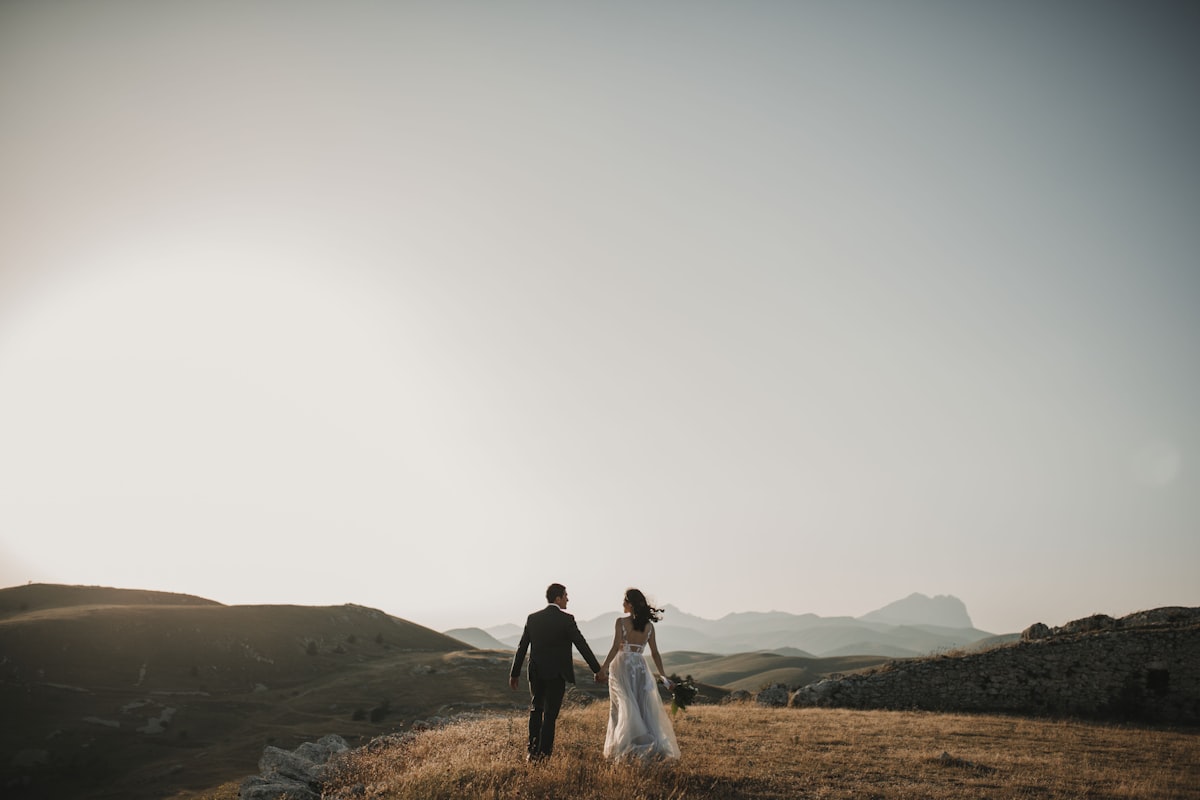
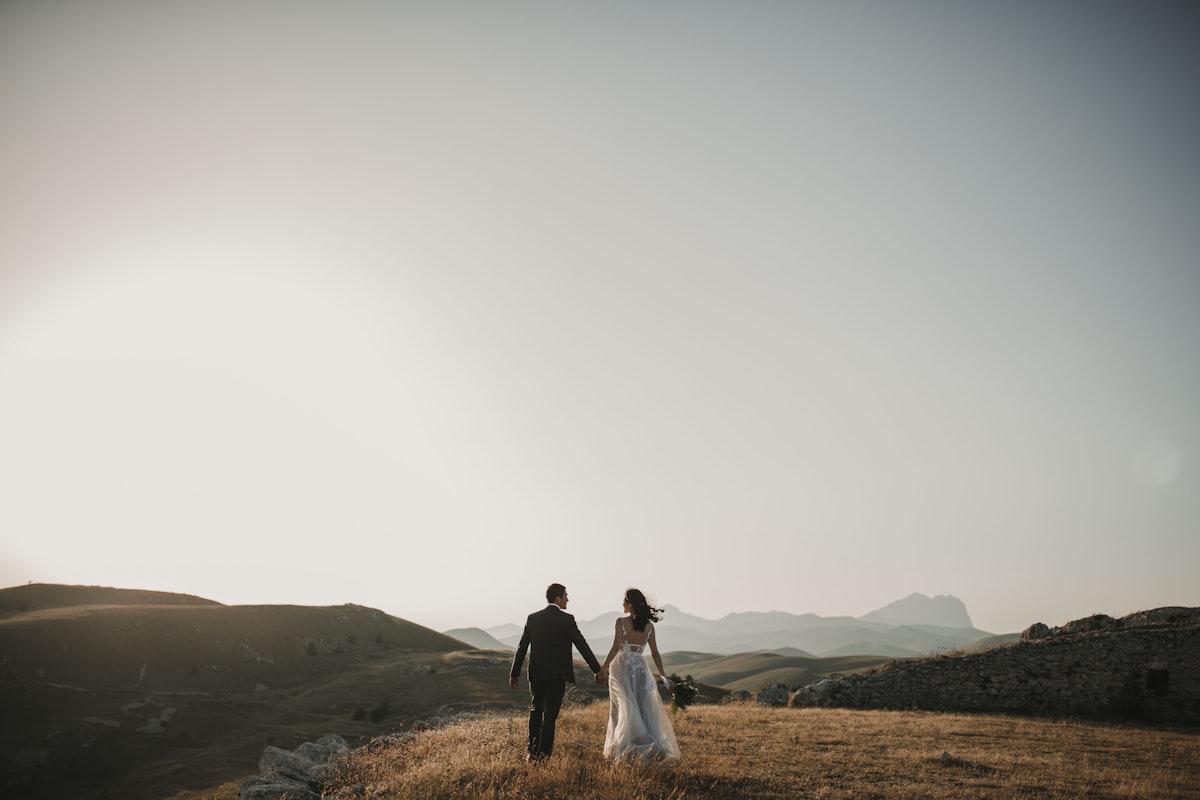
    Blending the flair of Italian fashion with the refined customs of a Swiss wedding underscores an exciting journey toward timeless elegance. When a man is looking for the ideal suit, the main question often becomes how to merge elements of luxury wedding attire with the core traditions cherished by Swiss families. At ItalianSuits, we believe that true elegance arises from honoring cultural values while showcasing personal style. Although Switzerland’s serene landscapes and distinctive wedding customs might seem worlds away from Italy’s bold sartorial flair, there is a natural synergy between these two rich traditions that can create the perfect wedding look.

    This article provides helpful wedding suit tips focused on integrating the essence of Italian tailoring with Swiss wedding expectations. From incorporating an understated color palette to selecting premium fabrics, you can achieve a couture wedding suit for men that respects local customs without compromising on style. A man seeking a custom suit for a destination ceremony in the Swiss Alps or a lakeside celebration in Geneva can easily adapt subtle elements borrowed from Lake Como wedding influence. Similarly, couples and families may have questions about the etiquette on suit color choices, or whether a bespoke suits option aligns with local preferences. Our aim is to answer these considerations with a focus on elegance and reverence for tradition.

    When planning a Swiss wedding, you might also wonder how to blend Italian style in Swiss weddings in a manner that feels authentic. Traditionally, Swiss nuptials favor classic silhouettes and formal event structures, while the Italian approach emphasizes luxurious detail. Yet these two perspectives can meet harmoniously when guided by thoughtful design features, strict attention to fit, and the use of top-quality materials. Whether you’re envisioning a tailored suit for Alps destination wedding or a Swiss lakeside wedding style, the secret to success lies in balancing cross-cultural wedding attire tips to showcase the best of both worlds. By weaving together Swiss-Italian cultural elegance, every man can don a refined outfit that elevates the ceremony’s ambiance.

    Here, we will discuss each core principle for creating a custom suit design details plan that stays true to Swiss tradition but incorporates the timeless charm of Italian craftsmanship. We’ve included notes on how to schedule your wedding suit fitting schedule, along with practical guidance on picking the best fabrics for wedding suits. From the first consultation with top Swiss tailors for men’s wedding suits to the final fitting at ItalianSuits, this comprehensive guide will ensure your big day is marked by elegance, comfort, and cultural respect.

    Before we delve into each step, remember that combining these two heritages has its challenges, but it also opens the door to a distinctive luxury wedding attire experience that will linger in photos, memories, and stories for years to come. Let’s explore exactly how to unite Italian flair with Swiss formality for a once-in-a-lifetime wedding celebration.

    Understanding Swiss Wedding Traditions

    A Swiss wedding typically emphasizes traditions that revolve around family, hospitality, and thoughtful etiquette. While the ceremony style can vary by region, the fundamentals remain: respect for heritage, a focus on community, and modest but heartfelt expressions of celebration. To properly honor these customs, a man preparing for his big day might opt for a refined suit that highlights subtle design elements rather than loud statements. This is where balancing Italian influences becomes crucial, ensuring the final result respects Swiss wedding traditions.

    In many parts of Switzerland, rituals like the junghund (young dog) parade or a communal reception line speak to the importance of unity and joy. Weddings here may have smaller guest lists, and there is often more emphasis on the closeness of friends and family. Knowing these customs is key to selecting a tasteful suit that resonates with local expectations. For example, an extravagant color palette may turn heads in the fashion mecca of Milan, but in Switzerland’s conservative circles, a timeless color like navy, charcoal, or black often proves more in tune with the surroundings. Even so, subtle nods to Lake Como wedding influence—like a well-structured lapel or carefully stitched detailing—allow you to blend tradition with a hint of Italian flair.

    If you intend to follow etiquette on suit color choices strictly, consult your wedding venue’s style. Prestigious cathedral ceremonies in Zurich may require adherence to a more formal dress code than a relaxed garden event near Lake Lucerne. Naturally, the guiding approach is politeness: you want to present yourself as a respectful participant in cherished customs. Whether you’re considering a bespoke suits approach or a made-to-measure option, our professionals at ItalianSuits can advise on how to blend Italian style in Swiss weddings seamlessly. The end goal is to remain mindful of local norms while still embracing the elegance that a top-tier Italian tailoring house can offer.

    By remembering these aspects, you’ll effectively incorporate cross-cultural wedding attire tips for your big day. A man stepping into his marriage with a cross-cultural mindset can elevate not just his own look, but the broader atmosphere of the entire celebration. As you proceed, continue to keep in mind essential wedding suit tips that merge tradition with personal style, paving the way for a unique Swiss-Italian cultural elegance.

    The Essence of Italian Elegance

    When discussing luxury wedding attire, one cannot overlook the Italian hallmark of meticulous craftsmanship and attention to detail. True elegance in a suit stems from more than just an eye-catching silhouette; it is the sum of carefully chosen fabrics, expert cuts, and refined finishes. At ItalianSuits, each garment is designed to make a man look and feel his best, balancing tradition with modern aesthetics. A well-tailored jacket that frames the shoulders, a beautifully shaped waist, and trousers with impeccable drape are hallmarks of a couture wedding suit for men.

    Historically, Italian design draws from centuries of artisanal heritage. From Milan and Florence to Naples, Italy’s tailoring hubs each contributed to an overarching philosophy: quality materials paired with precision craftsmanship. Whether it’s the decadent weave of a Super 150’s wool or an understated silk lining, Italian design embraces the idea that a suit must meld comfort with sophistication. This philosophy aligns well with a Swiss wedding approach, which prizes longevity and practicality. You may wonder how that synergy materializes: imagine subtle flourishes such as unique lapel shapes or polished metallic buttons that call to mind Lake Como wedding influence while still complementing your event’s formal environment.

    For cross-cultural wedding attire tips, it helps to pinpoint the core attributes of Italian style: expert tailoring, premium textiles, and a touch of panache. Still, this does not mean you should overshadow the matrimonial solemnity or the Swiss emphasis on simplicity. Instead, consider a balanced approach, with a classic color palette and understated detailing. You might choose a well-cut double-breasted suit with just a hint of pattern or add a tasteful embroidered monogram on the hidden side of the jacket. As you integrate Italian-inspired suit for Geneva wedding plans, you create a unified look that speaks to your persona and acknowledges the day’s importance.

    Combine these characteristics with local traditions. The advantage of an Italian approach is that it can seamlessly incorporate subtle changes without sacrificing the elegance of the final garment. Whether you plan a lavish reception in a lakeside chateau or an intimate ceremony in a mountain chapel, your luxury wedding attire can reflect Swiss-Italian cultural elegance. The secret is blending lavish details with modesty, so your man stands out with grace rather than flamboyance.

    Choosing the Perfect Fabric & Color Palette

    Selecting the best fabrics for wedding suits starts with understanding the climate and the ambiance of your venue. Switzerland’s diverse geography means you could be exchanging vows in a balmy lakeside region or a cooler, higher-altitude location in the Alps. Lightweight wool or wool-silk blends often serve as a versatile choice that remains comfortable, year-round. Such textiles speak to the Italian hallmark of refinement while meeting the practical demands of a Swiss wedding. Additionally, micro-patterns or subtle herringbones can add depth to your luxury wedding attire without looking ostentatious.

    When choosing a color palette, etiquette on suit color choices in Switzerland typically leans toward subdued tones. Navy, charcoal, and black are longstanding favorites, but there is room for exploration. If the setting is a Swiss lakeside wedding style or a summertime event in Geneva, a midnight blue or rich grey might bring the right dose of elegance while preserving the gravitas of a formal wedding. For the adventurous, a deep burgundy or forest green might capture an Italian zest, but always ensure it aligns with the ceremony’s vibe, location, and level of formality.

    It’s crucial to remember that a suit’s success lies in harmony between color, cut, and construction. At ItalianSuits, we help you balance these factors with an eye toward local cultural nuances. The best approach for many Swiss wedding traditions is to keep your color relatively conservative but add small, refined touches that nod to Italian flair—like a contrasting interior lining or a richly textured pocket square. This approach helps you remain faithful to both practicality and elegance, ensuring that your attire stands out appropriately.

    If you’re struggling to decide how to blend Italian style in Swiss weddings, consider a two-tone ensemble that pairs classic neutrals with an accent color inspired by Lake Como wedding influence. For instance, a navy jacket with black lapels or a well-tailored grey suit with carefully considered finishing. Coupled with thoughtful wedding suit tips, this blend of subtle color pops and meticulously tested fabrics can distinguish your look, showcasing a refined approach to cross-cultural design.

    Customization Options for a Bespoke Look

    One of the most appealing aspects of bespoke suits is the freedom to customize every detail. From lapels to pocket configurations, the possibilities are nearly endless. For a Swiss wedding, many grooms appreciate personal touches that pay homage to local heritage: this could mean embroidering a small Edelweiss symbol inside the jacket or choosing a Swiss-themed lining color. Alternatively, you can solve how to blend Italian style in Swiss weddings by incorporating tasteful metallic buttons inspired by a particular Italian region or unique stitching reminiscent of Lake Como wedding influence.

    Your input can extend to interior details: monogramming the wedding date, a short personal message, or your initials near the lapel or internal pockets. A newlywed man might also consider a dual-lining concept that highlights his partner’s favorite hue. ItalianSuits often advises couples to think of these hidden custom suit design details as symbolic gestures that heighten the intimacy and significance of the day. You can even coordinate these details with the color of your bride’s bouquet or the broader theme of the celebration.

    While these options grant extensive creativity, respecting Swiss wedding traditions remains pivotal. A well-executed design should avoid overt flamboyance, never overshadowing the religious or communal nature of the ceremony. Instead, employ thoughtful additions like a unique bank of buttons on the sleeve or an elegantly embroidered crest on the interior. This approach ensures your final outfit represents not just elegance but also cultural sensitivity.

    Lastly, working with top Swiss tailors for men’s wedding suits can be an efficient route to perfecting your bespoke vision. Thanks to local expertise, your final garment will be suitably adapted to local norms, while ItalianSuits craftsmanship contributes an unmistakable dash of Mediterranean flair. Coordinating with a specialized team is the key to ensuring your luxury wedding attire remains cohesive, from the fabric selection to the final finishing touches.

    Bringing It All Together: Fittings & Final Touches

    Achieving the perfect suit hinges on the wedding suit fitting schedule. Typically, we recommend at least three fittings to confirm that every detail meets your aesthetic and comfort needs. In a cross-cultural Swiss wedding, time often becomes precious due to travel, venue, or familial arrangements. That is why planning your suit timeline in tandem with the rest of your wedding tasks is crucial. Whether you are in Geneva, Zurich, or preparing a tailored suit for Alps destination wedding, start early to avoid rushed decisions and last-minute nightmares.

    During these fittings, examine how well the jacket follows the line of your shoulders and how closely the waist is contoured. Also, ensure your trousers maintain a clean drape without excessive breaks. If you aim for an Italian-inspired suit for Geneva wedding, momentary differences in preferences—such as a shorter trouser length or a narrower lapel—can easily be integrated, provided they still align with Swiss taste. At ItalianSuits, our experienced team is adept at blending these nuances to produce a look that remains culturally appropriate.

    Accessories finalize your elegance. Whether it’s a discreet pocket square styled after Swiss-Italian cultural elegance or classic cufflinks that complement the entire ensemble, these small elements tie the larger design together. A tie pin or a subtle patterned tie can also bring luxury wedding attire to new heights without seeming brash. If you plan to incorporate Swiss wedding traditions, you might choose a patterned tie that reflects an alpine motif or local event color schemes. Conversely, for a nod to Italian sophistication, an elegant silk tie can speak volumes.

    Ultimately, the final touches of your bespoke suits revolve around the synergy between tradition and personal taste. A man about to step into marriage can rest easy knowing a well-executed tailoring process and carefully selected accessories convey respect for both Swiss heritage and Italian style. By adhering to the recommended fittings and discussing decisions openly with your tailor, you’ll complete a statement piece that lasts far beyond your Swiss wedding day.

    Conclusion

    Designing a cross-cultural suit that blends Italian excellence with the distinctive character of a Swiss wedding is an exciting process. Paying attention to tradition while subtly weaving in inventive flourishes from ItalianSuits ensures that your final ensemble speaks volumes about your respect for custom and your personal elegance. By focusing on premium fabrics, tasteful color palettes, well-distributed detailing, and impeccably timed fittings, you set the stage for a day of cherished memories.

    If you would like personalized wedding suit tips, or you’re eager to craft luxury wedding attire that encapsulates cross-cultural wedding attire tips, connect with ItalianSuits. Our specialists excel in merging design traditions from both sides of the Alps, delivering bespoke suits that embody Swiss-Italian cultural elegance. Schedule a consultation with our expert team and discover how your suit can be the bridge between local customs and Italian glamour. We look forward to guiding you toward a timeless, unforgettable Swiss wedding.

  • Select the Ideal Suit Fabric for Swiss Seasons

    Select the Ideal Suit Fabric for Swiss Seasons

    I. Introduction

    Switzerland is a country of diverse landscapes and unpredictable weather, which makes selecting the right suits essential for any man who values comfort and elegance. Whether you live in a city like Zurich or Geneva, or you frequently travel across regions with varying climates, you need suits that align with the changing seasons. In these situations, choosing the right suit material is vital not just for aesthetics, but also for practical comfort. Fortunately, ItalianSuits offers expert advice on how to secure a refined look year-round. Our mission is to help every man discover the best suit fabric for Swiss climate considerations, balancing elegance and function. In this guide, we lay out tips on selecting versatile suits for changing weather, from spring’s mild air to winter’s biting cold. We also reveal why quality craftsmanship, especially from Italian brands, can enhance your wardrobe and keep you looking sharp.

    In this blog post, we will explore how you can master suit layering tips for Switzerland’s varying temperature, the art of choosing the right suit material, and the importance of investing in high-quality suit craftsmanship. From linen suits for men who crave comfort during hot summers to heavier wool suits for men who appreciate a warmer garment in winter, our overview will guide you toward all-season suits. By the end, you will understand both the functional and aesthetic considerations needed to build a professional suit wardrobe. Whether you’re exploring Swiss men’s suit fashion for the first time or simply refining your style, read on for clear thinking on how to achieve year-round elegance. And rest assured—ItalianSuits is here to advocate for fit, comfort, and an overall sense of sophistication.

    II. Understanding Swiss Seasons

    Switzerland’s climate can vary widely from region to region. Some areas are influenced by the Alps, while others enjoy milder conditions closer to lakes or lower valleys. Overall, Switzerland tends to have four distinct seasons: mild and sometimes rainy springs, hot summers that call for breezy clothing, crisp and cool autumns, and cold winters that demand proper insulation. Each of these seasons has a direct impact on the fabric choice for suits. It is not uncommon to encounter both warm days and cooler nights during a single season, so you need to ensure you can stay comfortable and maintain your elegance.

    Mild springs may require suits in lightweight fabrics, such as cotton, which will provide more breathability. By contrast, winter is when heavier fabrics shine, helping to prevent chills while still embodying the essence of Swiss business attire. In summer, you might lean toward suits that wick moisture and remain cool, like linen. From the mountains to the valleys, men across Switzerland want to maintain a refined style that exemplifies Swiss style suits. By focusing on each season and matching suitable materials, you can ensure you always look your best, no matter the temperature.

    III. Top Suit Fabrics for Each Season

    A. Wool Suits

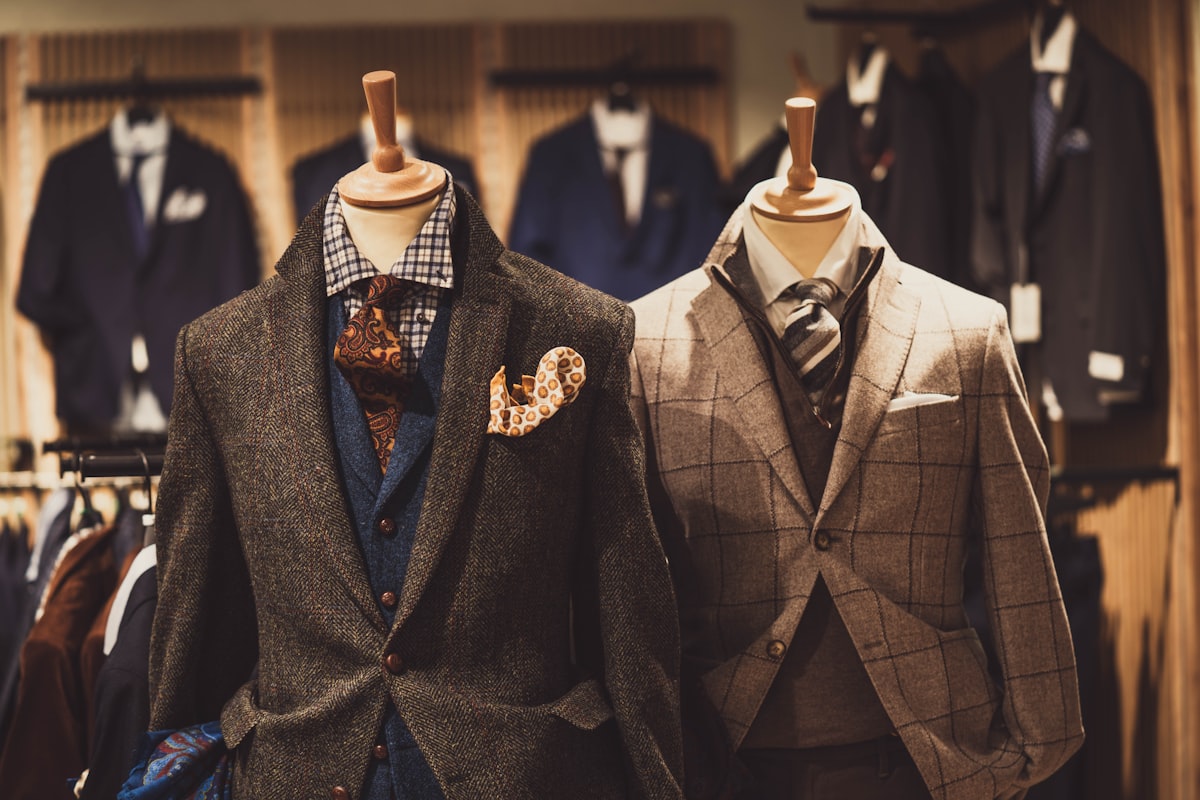
    Wool is often hailed as the cornerstone of quality suits, and with good reason. Wool suits for men offer breathability and insulation, making them especially effective throughout autumn and winter. Wool has natural moisture-wicking properties, keeping you dry and comfortable. When considering the best suit fabric for Swiss climate, wool deserves a top spot: it adapts well to temperature fluctuations, which is perfect for those who travel between different cities or find themselves in offices with variable heating. Brands like Brioni suits and Ermenegildo Zegna suits frequently showcase wool fabric because it speaks to impeccable tailoring and enduring elegance.

    If you worry about looking bulky in winter, choosing lighter-weight wool can help. Suits with a medium to lightweight weave are still warm enough for colder days but airier in stuffy offices. Wool’s structure helps maintain a sharp silhouette, reflecting a refined approach that a man with an eye for Italian style will appreciate. Plus, a well-fitted wool suit easily transitions from the boardroom to an evening event. Consider pairing your wool attire with a Swiss watch and the right accessories for that mark of ItalianSuits sophistication.

    B. Cotton Suits

    For transitional months, cotton suits for men can be a blessing. Cotton is breathable and lightweight, making it ideal for mild Swiss springs and early autumns. These suits are also relatively easy to care for, and they maintain a streamlined profile when ironed properly. Many professionals find cotton suits valuable in a professional suit wardrobe because they can be dressed up or down, depending on the event. As more men in Switzerland explore tailored suits for men in Switzerland, they discover that cotton’s versatility creates comfort while upholding elegance.

    When it comes to styling, cotton suits can go casual with an open-collar shirt or more formal with a tie and polished shoes. The best approach is to consider layering well. For instance, in cooler spring mornings, you might slip on a vest, a classic shirt, or a light sweater under your suit jacket. This approach easily transitions into warmer afternoons, illustrating how cotton suits can become a foundation of versatile suits for changing weather. If you invest in high-quality cotton from reputable Italian makers, you can be sure your attire will last longer and remain an expression of refined taste.

    C. Linen Suits

    When summer arrives with warmer and sometimes humid days, linen suits for men become a top choice. They provide excellent airflow, allowing your body to stay cooler in the heat. Linen suits have a distinct look that evokes relaxed elegance, a style that a man who appreciates Italian flair might embrace. The key to wearing linen successfully is to manage wrinkles. Yes, linen wrinkles more easily than other materials, but high-quality linen blends or careful upkeep can counteract this. With proper care, you can preserve that neat silhouette and exude confidence in your summer attire.

    Pair your linen suit with light cotton shirts and minimal layering. If you want to appear extra polished, consider a blend that includes linen and wool or linen and silk, which will reduce large creases. Many Swiss men prefer linen on hot days because it feels breezy and matches the sunny mood, especially when walking around lakes or meeting clients at outdoor cafés. Even within the world of luxury suits Italy is famous for, linen remains a go-to for all-season suits, especially if you expect more scorching weather during your travels. Blend your linen look with the right accessories, like a subtle pocket square, and enjoy the airy benefit of a premium staple.

    D. Blended Fabrics

    Blended fabrics are often the unsung heroes of men’s wardrobes. They combine the strengths of different fibers—wool and silk, wool and cotton, or even wool and linen. These blends are popular among those who want the durability and shape retention of wool, alongside the breathability of linen or the lightweight quality of silk. Such combinations result in suits that can qualify as all-season suits, especially in Switzerland’s moody climate. Men who are new to suit shopping may not immediately realize the power of a quality blend, but once they try them, they often notice the difference in ease of wear and consistent structure.

    Another advantage is wrinkle resistance. Pure linen can wrinkle faster, while a wool-linen blend will stay neater longer. Check out big names like Armani suits and Kiton suits for examples of sophisticated blends that provide good breathability and warmth. This fusion of attributes ultimately leads to a higher level of elegance. These suits can be functional in both spring and fall, when unsteady temperatures test your comfort. If you ever feel uncertain about your choice, consider an expert fitting or consultation. With ItalianSuits, we can guide you through selecting materials that complement your body, style preferences, and the Swiss climate.

    IV. Suit Care and Maintenance Across Seasons

    A. Seasonal Storage

    One factor often overlooked is how you store your suits when the season changes. Regular rotation can help preserve fabric integrity and maintain that distinct Italian silhouette you love. For instance, if you have heavier wool suits for men that you primarily wear in winter, ensure they are properly cleaned and stored in breathable garment bags when spring arrives. The same goes for lighter linen suits for men; you want to keep them in a cool, dry place when not in use. By doing so, you extend each garment’s lifespan while preserving its shape and texture.

    Storing suits the right way also means splitting your closet into sections for seasonal use, if possible. This practice makes it easier to decide your outfit on a busy morning. Also, if you find that your suits shift out of shape during storage, consider giving them a quick steam or press, or visiting a tailor you trust. Remember that ItalianSuits can recommend top tailoring services, especially if you’re searching for the best places to maintain your bespoke suits in Switzerland.

    B. Cleaning and Maintenance

    While it may be tempting to drop your suits at the dry cleaners after every wear, over-cleaning can damage the fibers and reduce overall longevity. Everyday wrinkles and light odors can often be managed with steaming or airing out your garment. Spot cleaning is another technique that helps maintain your suit without unnecessary full-scale cleaning. For more substantial messes, opt for a trusted cleaner that understands high-quality suit craftsmanship. By selecting experts accustomed to Swiss men’s suit fashion standards, you minimize the risk of color fading or fiber weakening.

    If you regularly travel, keep a portable garment steamer or find local specialized ironing services in major Swiss cities. These small investments in maintenance will keep your suits looking immaculate. Over time, you will notice that conscientious cleaning contributes to the enduring elegance of your professional suit wardrobe. This approach will also safeguard your investment in ItalianSuits, whether you wear top-tier labels like Armani suits and Brioni suits or more accessible lines that still embody refined taste.

    C. Quick Tips for Wrinkle-Free Travel

    Many business trips in Switzerland can involve train travel across cantons with different temperatures, or quick flights to other European countries. Packing your suits can pose a challenge, particularly if you fear wrinkles. One effective strategy is using a quality garment bag, which helps shield your suit from friction and external pressure. If possible, pack your suits so they can hang in the overhead compartment, preventing them from being crushed underneath other luggage. For men who prioritize practicality, a rolling garment sleeve can be a lifesaver, keeping your clothes in prime condition.

    Once you arrive, hang up your suit immediately. If any creases appear, a gentle steam often eradicates them. These simple steps, such as packing properly and refreshing your suit upon arrival, prolong the polished look you want. Wrinkle-free travel is one of the best ways to emphasize your commitment to elegance and professionalism. For a man who wants to maintain that Italian sense of style while hopping from one Swiss city to another, meticulous care is essential. And if you’re uncertain about the approach, you can always ask ItalianSuits for practical suit styling tips that apply to your needs.

    V. Why ItalianSuits Is Your Trusted Partner

    ItalianSuits has long been a trusted source for suits rooted in authenticity and refined design. Our belief in Italian craftsmanship and Swiss precision shapes every consultation we provide. When you seek a suit that balances function and flair, we walk you through each step, from choosing the right suit material to final tailoring adjustments. That’s why tailored suits for men in Switzerland are a specialty we’re proud to offer. We work closely with clients who want the best, whether that means focusing on lighter fabrics for summer or heavy wools for the cold.

    Our commitment to a man who prioritizes elegance extends beyond the garment itself. We emphasize personal service, helping you identify your color preferences, best silhouettes, and the extras that complete your look—like pocket squares, ties, or even a Swiss watch. By combining Swiss business attire sensibilities with Italian artistry, ItalianSuits upholds the tradition of sophisticated design, while ensuring you have the perfect suit for every occasion. Whether you favor Ermenegildo Zegna suits, Kiton suits, or unique blends, we stand ready to guide you toward the ultimate expression of refined taste. Simply put, we want you to embody that intangible aura of confidence and style that resonates in every Swiss boardroom.

    VI. Conclusion

    Choosing the right suit fabric for Switzerland’s changing seasons requires careful thought and an appreciation for elegance. If you’re a man who wants to glide effortlessly between the mild warmth of spring and the chilly depths of winter, it’s worth investing in the perfect blend of function and timeless style. From wool’s reliable insulation to the airy benefits of linen and the practicality of cotton, each suit material has its moment to shine within a professional suit wardrobe. By opting for reputable Italian craftsmanship or blends that offer year-round comfort, you can seamlessly adapt your look to the environment.

    At ItalianSuits, we understand the ambition of dressing elegantly in a country marked by fluctuating weather and diverse cityscapes. Our passion for Italian design and Swiss attention to detail means we can provide solutions like bespoke suits in Switzerland or Swiss style suits that complement your lifestyle. Ready to build a wardrobe that lives up to your aspirations? Contact ItalianSuits today for a personalized consultation, try on Armani suits or discover new blends, and step into every season with the utmost confidence. Experience how the right fabric enables you to feel comfortable and refined all year—while showcasing your commitment to enduring elegance.

  • Italian Tailoring for Swiss Weddings

    Italian Tailoring for Swiss Weddings

    Introduction

    Italian suits hold a unique allure in modern Swiss weddings, offering a sophisticated fusion of timeless craftsmanship and contemporary flair. By blending Switzerland’s modern wedding scene with the iconic elegance of Italian tailoring, you set the tone for a celebration that stands out for its refinement and stylish appeal.

    The Hallmarks of Italian Suit Tailoring

    Background on Italian Craftsmanship

    Italy’s tailoring history is deeply rooted in cities like Milan and Naples, renowned for their heritage of master tailors. From hand-stitched details to precise measurements, each step in the process underscores a dedication to impeccable fit and finish.

    Luxurious Fabrics and Materials

    Whether it’s high-quality wool, silk blends, or premium linen, Italian suits invest in fabrics that exude elegance. For Swiss weddings, these materials also ensure comfort in different seasonal climates, from warmer lake regions to cooler mountain areas.

    Why Swiss Grooms Choose Italian Elegance

    Cultural Blending

    Grooms in Geneva and Lucerne often choose Italian suits for a refined yet modern aesthetic. It seamlessly complements Swiss wedding traditions while offering an elegant look for photos and ceremonies.

    Modern Aesthetics

    The slim-fit and contemporary silhouettes of Italian suits flatter diverse body types. This approach delivers both style and comfort for grooms seeking a polished appearance.

    Practical Yet Stylish

    Italian suits use breathable fabrics and refined construction, ensuring grooms stay comfortable whether they say “I do” by Lake Geneva or at a chic Zurich event.

    Key Features of a Premium Italian Suit

    Quality Linings & Hand-Stitched Details

    These elements reinforce durability, comfort, and a premium feel. From start to finish, craftsmanship remains the focus.

    Signature Cuts

    Choose from classic or modern cuts, three-piece ensembles, or single- and double-breasted designs. Each look reflects the groom’s personal taste and suits various wedding styles.

    Bespoke vs. Made-to-Measure

    A fully bespoke suit offers complete personalization, while made-to-measure tailoring provides a balanced blend of customization and convenience.

    Expert Tips for Choosing the Perfect Italian Suit

    Selecting the Right Fabric

    Opt for breathable wool or linen in warmer months when planning a Lake Geneva wedding, and choose heavier blends for winter ceremonies in St. Moritz.

    Color and Accents

    Incorporate subtle blues, earthy tones, or vibrant accents to mirror the season’s palette, ensuring a cohesive Swiss wedding atmosphere.

    Fittings and Alterations

    Multiple fittings fine-tune your silhouette, ensuring the suit highlights your physique and boosts confidence on your big day.

    Accessorizing

    Elevate the overall look with crisp pocket squares, polished shoes, and understated cufflinks. These final touches showcase refined taste and elegance.

    Conclusion

    Combining the prestige of Italian tailoring with the modern appeal of Swiss weddings offers an unmatched sense of style. For grooms seeking the best in fabric, fit, and silhouette, ItalianSuits delivers a premium wedding suit experience. Embrace timeless Italian elegance for your Swiss celebration and stand out in unforgettable fashion.

  • Latest Swiss Web Development Trends 2025

    Latest Swiss Web Development Trends 2025

    Introduction

    Switzerland’s drive for digital innovation continues to reshape how enterprises and startups build their online presence. Staying up to date on Swiss web development trends is more than just a checkbox item—it’s a critical step that allows businesses to stay competitive and reach their audience. From adopting microservices architecture in Switzerland to leveraging large application frameworks like laravel and drupal, Swiss companies are leading the way in emerging technologies in Swiss web development. These developments have paved the path for truly expert solutions that balance creativity with performance.

    As business owners explore Swiss Tech trends 2025 and look for cutting-edge web solutions in Switzerland, they find that the focus often revolves around delivering agile, scalable websites and services. Whether implementing high-performance web apps or ensuring Swiss data protection compliance, the priority is to craft robust platforms that adapt to changing user demands. Many organizations, including government agencies, see web development as a strategic channel to engage in more direct and meaningful interactions with the public, reinforcing the importance of this evolving space.

    At DevFactory, our team has seen how quickly enterprise web solutions for Swiss businesses can transform under these pressures. Our work extends from fine-tuning single-page applications to devising complex, large application infrastructures. By regularly monitoring Swiss web development trends and championing new approaches, we help brands stay ahead of these fast-paced evolutions. Through DevFactory solutions, businesses gain access to expert insight that goes beyond standard design and development, providing specialized guidance that resonates with local clients.

    This blog post looks at the latest shifts in technology, frameworks, and best practices to help you navigate the modern Swiss landscape. We’ll examine how changes in development philosophy, such as emerging technologies in Swiss web development, can fuel growth. Expect to learn about the benefits of microservices, advanced content management, secure collaboration with Swiss government organizations, and more. Let’s get started by exploring the first major trend shaping this market in 2025.

    Trend 1: Emphasis on Microservices & Scalable Architectures

    The first major wave among Swiss Tech trends 2025 is a shift toward microservices and distributed systems. Microservices architecture in Switzerland has become a practical solution, especially for sectors like finance, healthcare, and government. These institutions often require highly reliable systems capable of swift, incremental updates. By breaking down the application into smaller components, teams can manage each service independently without disrupting the entire environment.

    When DevFactory helps design a microservices framework for a large application, we optimize processes like service discovery, network communication, and container orchestration. This approach supports seamless scaling and ensures redundancy. It aligns perfectly with cloud-native deployment strategies, where each service can be hosted and scaled in different environments.

    In building enterprise web solutions for Swiss businesses, adopting microservices is no longer an optional venture. It’s a strategic choice to future-proof operations. Our expert developers craft solutions based on an organization’s unique requirements, ensuring performance and consistency across each microservice. For example, a robust booking platform for local events can be split into modules for user management, payments, and content display. By doing so, updates or bug fixes in one module won’t affect other areas.

    This modular design also paves the way for easy integration of new features without reworking the entire system. Scaling becomes simpler, too—teams can add resources to services that demand the most computing power. DevFactory solutions help you redefine your infrastructure, incorporate microservices efficiently, and deliver cost-effective, reliable systems that suit your organization’s growth and user engagement goals.

    Microservices align well with emerging technologies in Swiss web development, making them a prominent factor in web development best practices in 2025. By separating functionality into different services, your site or application becomes more resilient—an essential quality to meet the rigorous demands of Swiss audiences. As we move through the other trends below, consider how a microservices foundation could elevate your online strategy and ensure that your business remains agile.

    Trend 2: Adopting Laravel & Drupal for Robust, Streamlined Development

    When selecting a core framework for a large application, many Swiss companies weigh their choices between laravel and drupal. Both frameworks continue to gain traction in the Swiss market, offering a host of benefits for businesses of all sizes. Laravel vs. Drupal for Swiss projects has become a frequent topic of conversation, especially where resource management and government-level compliance for web apps are top priorities.

    Laravel is prized for its elegance, developer-friendly syntax, and vast ecosystem of packages. Its modular design lends itself well to agile development, supporting quick iterations whenever feature requests arise. At DevFactory, we see secure web development for Swiss enterprises as a major concern, so we focus on robust authentication and data validation. Laravel’s built-in security features protect against common vulnerabilities, which is essential for industries such as retail and finance.

    On the other hand, Drupal excels in content-heavy sites with complex content relationships. Many government portals, universities, and news sites employ Drupal for its powerful taxonomy system and advanced positioning as an enterprise-grade CMS. It also supports multilingual functionalities out of the box, ideal for a country with multiple official languages.

    Deciding between these two frameworks often comes down to project needs. If you’re building a complex Cloud-native deployment with dynamic user interactions, Laravel might be your best bet. If you’re looking for advanced content administration and user roles, Drupal could be the solution. With DevFactory solutions, our expert developers help you choose the toolkit that aligns with your functional requirements, timeline, and budget.

    Adding either laravel or drupal to your stack aligns with Swiss web development trends for robust and stable systems. Our expert Swiss web development team also sees the advantage of these frameworks in facilitating high-performance web apps. By tailoring each development choice to your target audience, you create innovative digital solutions in Switzerland that resonate with your brand and deliver meaningful experiences.

    Trend 3: Headless CMS & Cloud-Native Deployments

    As Swiss startup and enterprise collaboration grows, expert developers look for fresh ways to streamline content delivery and reduce operational overhead. One of the cutting-edge web solutions in Switzerland is the adoption of Headless CMS solutions. Unlike traditional platforms where front-end and back-end are coupled, a headless CMS decouples content storage from its presentation layer. This separation eliminates constraints on how your content is displayed, making it easier to push updates to various platforms such as websites, mobile apps, or even digital kiosks.

    In tandem, cloud-native deployment supports the modern Swiss focus on responsiveness and direct scalability. Host your services on shared or dedicated cloud servers, quickly spin up new containers or virtual machines, and pay only for what you use. Businesses that anticipate traffic spikes—say, an e-commerce store during holiday shopping—can scale up within seconds. This approach is also perfect for system components built on laravel or drupal frameworks, where the environment can adapt to high loads.

    At DevFactory, we consider Swiss data protection compliance crucial in these deployments. Our approach involves configuring each environment to respect local data handling laws. Whether you’re managing a scenario for government collaborations or storing personal user data, following these regulations is not optional—it’s a cornerstone of secure web development for Swiss enterprises. By combining a headless CMS with cloud-native technologies, you lay the groundwork for a large application architecture that can evolve in sync with demand, ensuring a top-notch user experience.

    Embracing these setups is a testament to emerging technologies in Swiss web development and forms part of enterprise-grade solutions in Switzerland. Scalability doesn’t have to come at the cost of performance or compliance. In fact, the synergy of a headless CMS and a robust cloud platform often simplifies system maintenance. If your business is eager to adopt web development best practices in 2025, opting for this dual strategy can accelerate page load times, ramp up content customization, and reduce complexity alongside streamlined governance of your digital assets.

    Trend 4: Greater Focus on Secure, Compliant Web Solutions

    Security is non-negotiable, especially in a landscape where collaboration with Swiss government organizations and major enterprises is common. Adhering to government-level standards means safeguarding user data, implementing strong encryption protocols, and staying updated with local regulations. This is particularly evident in enterprise web solutions for Swiss businesses, where protecting intellectual property and consumer data is paramount.

    For laravel or drupal based projects, security best practices start at the application level. Our expert engineers follow strict coding guidelines to prevent vulnerabilities like SQL injection and cross-site scripting. They also incorporate multiple layers of user authentication to ensure only authorized individuals can access backend interfaces. Furthermore, DevFactory solutions apply consistent patching schedules, scanning for potential weaknesses across each module of a large application.

    Swiss data protection compliance complements these security measures. Organizations must handle personal data in accordance with the Swiss Federal Act on Data Protection, which may exceed standard European requirements in some cases. By building secure platforms and prioritizing robust hosting arrangements, businesses mitigate legal risks and strengthen user trust. This approach resonates well with industries like e-commerce, banking, or healthcare, where compliance is part of the brand identity.

    From an operational standpoint, secure web development for Swiss enterprises also includes having contingency plans. Whether it’s routine backups, distributed server locations, or a well-tested disaster recovery strategy, you ensure your service remains dependable even when unexpected events occur. Implementing these measures will further align your project with the recognized Swiss web development trends.

    At DevFactory, we believe every brand—whether a startup or a global organization—deserves secure cutting-edge web solutions in Switzerland. You can integrate strong data protection features from day one, allowing your technical team to evolve its product roadmap without risking compliance or performance. This dedication to security and reliability is central to DevFactory solutions and underscores the broader Swiss emphasis on delivering high-caliber digital experiences.

    Trend 5: Progressive Enhancements & Performance Optimization

    Given the rising expectations of speed and quality, Swiss web development trends highlight the importance of high-performance web apps. Modern Swiss users access content from multiple devices, and they expect quick loading times no matter their network conditions. A focus on performance optimization not only enhances user engagement but can also directly improve your site’s ranking in SEO for Swiss websites.

    Frameworks like laravel and drupal already offer built-in optimization features. However, if you’re building a large application, you’ll often need custom caching strategies for database queries and static assets. Minimizing code, compressing images, and implementing advanced caching forms the basis of your performance toolkit. DevFactory solutions extend these optimizations by layering progressive enhancement techniques. This practice ensures that core features are accessible to all, while enhanced features become available on capable devices.

    The Swiss environment also values resource conservation and efficiency, making performance improvements doubly important. Our expert developers assess each element of the application, from choice of server technology to front-end libraries, to determine optimal configurations. Optimization doesn’t stop at a single milestone; it’s continually refined as your site scales or as new functionalities roll out.

    Moreover, staying on top of innovative digital solutions in Switzerland means integrating new processes promptly but cautiously. Progressive web apps, for example, add offline capabilities and boost engagement through fast loading experiences and app-like behavior. By applying the right tools, these advanced solutions keep you aligned with government compliance requirements while delivering experiences that wow your end users.

    By merging progressive enhancements with best-in-class frameworks, you lay the foundation for an application that’s future-proof. As web development best practices in 2025 continue to evolve, adopting an iterative approach ensures that your site remains modern and efficient. It also paves the way for adopting new features like Headless CMS solutions without a complete overhaul of your existing architecture.

    Conclusion

    The Swiss web development scene is vibrant and evolving, opening unprecedented opportunities for all types of organizations—and that includes both ambitious startups and established government bodies. By referencing Swiss Tech trends 2025 and following these five guiding pillars, you set your business apart from the competition. Ensuring each application is scalable, secure, and performance-oriented creates a solid foundation for innovation. Integrating powerful frameworks such as laravel or drupal underlines your commitment to building high-quality systems while respecting the nuanced expectations in Switzerland.

    Each of these trends—microservices, framework selection, headless CMS, compliance, and performance—operates smoothly when guided by the right expert support. At DevFactory, we merge technology with local insights to craft solutions that align with Swiss web development trends and meet global standards. We’re also well-versed in building scalable infrastructure for large applications so you can efficiently handle rising user demands while meeting government-level compliance for web apps.

    If you’re ready to explore DevFactory solutions and discover how we can help you leverage the latest emerging technologies in Swiss web development, reach out to us for a personalized consultation. Embrace modern strategies and keep your business moving forward with solutions tailor-made for the Swiss market. Together, we can craft a powerful, future-proof digital presence that thrives in this competitive environment.

  • How to Style an Italian Suit for Swiss Seasons

    How to Style an Italian Suit for Swiss Seasons

    Introduction

    Switzerland is famous for its stunning landscapes and distinct seasonal changes. From crisp winters to sunny summers, everyone living or working in this country experiences varied weather patterns throughout the year. When a man aims to dress in a way that blends practical comfort with pure elegance, an Italian suit stands out as a perfect solution. The unique craftsmanship and lightweight tailoring of an Italian suit allow you to move with ease, regardless of the Swiss climate. At ItalianSuits, we believe that style is not just about looking good. It also means adapting to your surroundings in a way that feels natural, professional, and modern.

    In this guide, you will discover versatile suit styling tips that work from spring to winter. We will look at how to style a suit for changing weather while keeping true to timeless Italian elegance. We will also cover how to wear a suit for any occasion in Switzerland, whether it is a business meeting, a special event, or even a wedding. This complete seasonal suiting guide will help you make the most of your suits throughout the entire year. By following our style advice, you will enjoy the true essence of men’s formal fashion in Switzerland.

    From breezy suit accessories for summer to layering tips for cold weather, we will explain how each season affects your outfit choices. We will go over the best fabrics for Swiss seasons, highlight men’s suit trends 2024, and provide a range of professional attire in Swiss climate. Each detail will help any man master the art of dressing for business meetings in Switzerland. Most importantly, you will learn that an Italian suit can be both classic and practical, showcasing the hallmark of timeless Italian elegance.

    By the end of this post, you will see why an Italian suit is ideal for the Swiss business dress code. You will also feel confident about how to integrate your favorite colors, accessories, and layers for each time of year. At ItalianSuits, we have years of experience in supporting men who appreciate a fine balance of style and comfort. We invite you to explore this seasonal suiting guide and reach out whenever you need expert advice on dressing your best.

    Understanding Swiss Seasons and Their Impact on Suit Choice

    The Swiss climate has four distinct seasons: spring, summer, autumn, and winter. Each phase demands careful planning for your wardrobe. In warmer months, you might need breathable fabrics to stay comfortable. During cooler months, you need heavier materials to keep warm without compromising on elegance. To maintain your sense of style, it is crucial to focus on fabric selection, color palettes, and layering. Whether you are heading for a wedding or a corporate function, your choice of Italian suit can help you look at ease in all seasons.

    An Italian suit is prized for light construction, precise stitching, and a flattering fit. These qualities make it perfect for the varied Swiss weather. It is no surprise that ItalianSuits is dedicated to offering men’s formal fashion in Switzerland. We know how important it is to look refined when attending any event, from casual gatherings to formal wedding ceremonies. The suit, which is a statement of masculinity and taste, should also reflect the demands of each season. With the right fabrics, cuts, and details, you can stay comfortable in the Swiss climate year-round.

    If you have ever wondered about how to style a suit for changing weather, you are not alone. Many men need guidance when it comes to seamless transitions between mild springs, hot summers, crisp autumns, and chilly winters. In the next sections, we will reveal the best fabrics for Swiss seasons and explain the reasons behind layering. By focusing on high-quality materials that naturally regulate body temperature, you can keep your look fresh and appealing, no matter the forecast.

    2.1 Spring: Balancing Warmth and Fresh Colors

    Spring in Switzerland often brings mild but unpredictable weather. Temperatures can vary from a brisk morning chill to a more pleasant daytime warmth. If you plan to attend a business meeting in spring, you will want a suit that is neither too heavy nor too light. Fabrics like lightweight wool or carefully blended cotton are ideal, as they keep you insulated against cooler mornings but also prevent overheating by afternoon. This transitional period calls for versatile suit styling tips that highlight comfort and sophistication.

    Most men’s formal fashion in Switzerland during spring includes gentle color choices. Subtle pastels, light grays, or dusty blues usher in a fresh mood. These hues also align with spring scenery. If you are a man who adores elegance, then we recommend pairing a light gray Italian suit with a pastel tie for a refined work-ready look. It is also a wonderful option for a wedding or any daytime function that demands a tasteful yet relaxed vibe. A pocket square in a complementary color can tie it all together.

    Since weather conditions can shift swiftly, keep a thin sweater or light jacket on hand for cooler days. This layering approach is a key part of professional attire in Swiss climate. At ItalianSuits, we encourage you to explore our wide collection of transitional pieces that maintain your style on unpredictable spring days. Spring is also an excellent time to explore a style guide for spring suits, which points you toward season-friendly attire that complements new beginnings.

    2.2 Summer: Staying Cool and Stylish

    When summer arrives, temperatures in many Swiss regions can climb, especially in lower-lying areas. A man who wishes to embrace timeless Italian elegance must choose fabrics that let the skin breathe. Linens, seersucker, and lightweight cotton blends offer the right balance of comfort and style. You can wear a linen Italian suit to a midday wedding or an outdoor corporate gathering without breaking a sweat. Emphasizing airy designs in warm conditions is part of how to style a suit for changing weather.

    This season is also about breezy suit accessories. Light silk ties or pocket squares in soft or bold patterns inject a sense of fun into your ensemble. Neutral-colored loafers or minimal, well-polished dress shoes keep your feet ventilated and stylish. If you plan to attend important meetings, go for pastel or lighter shades of suits that reflect the sunlight and keep you cool. Neckline choices can also be relaxed: a crisp white shirt always pairs well with a summer suit, but you can also try pale pink or light blue for extra flair.

    If you need extra guidance, consult a style guide for summer suits by ItalianSuits. We understand that summertime might seem tricky for a fully tailored outfit. But with an emphasis on comfort, breathability, and the right color palette, you can maintain your elegance even under the sun. When it comes to luxury tailored suits for men, the lighter structure of an Italian suit is specifically designed to keep you from overheating. Every detail, from subtle vents to super-light linings, ensures you can appear poised, not drenched.

    2.3 Autumn: Embracing Earth Tones and Mild Weather

    Autumn in Switzerland offers a cool and pleasant transition from summer’s heat. It is the perfect time to wear suits in rich shades like burgundy, brown, or forest green. The deeper colors mirror the changing leaves and enrich your look with structured elegance. When you choose an Italian suit during autumn, focus on slight layering. You can add a vest under your jacket for warmth while preserving that polished finish. Autumn layering is one of the most versatile suit styling tips you can adopt.

    A typical day might start chilly and end mild, so a removable layer can help you adjust throughout the day. A mid-weight wool or wool-blend is a wise choice in these moderate conditions. Autumn also invites more varied tie choices. Earthy tones or deeper jewel tones reflect the season while keeping your outfit suitable for any business or social event. If a man is getting ready for a more romantic event such as a wedding, an autumn-inspired palette coordinates effortlessly with the outdoor scenery.

    For specific help on autumn suit trends, check out our style guide for autumn suits. We emphasize thoughtful color selection, appropriate layering, and the correct footwear for leaf-covered walkways. Since autumn often means occasional showers, consider water-resistant footwear or a sleek umbrella to protect your outfit. Above all, keep layering subtle—you do not want to bulk up your suit silhouette. Our seasonal suiting guide at ItalianSuits ensures you strike the right balance between coziness and crisp design.

    2.4 Winter: Retaining Warmth Without Losing Elegance

    The Swiss winter can be quite cold, especially in the mountainous regions. Yet, business and social activities continue, demanding a man to stay stylish and warm at the same time. This is where heavier fabrics shine. Tweed, flannel, and wool-cashmere blends retain heat while preserving that sign of elegance. If you wear a more structured Italian suit coat, it can help trap body warmth, which is perfect for commuting between offices or attending special holiday events. Winter is also popular for corporate galas and wedding receptions, so you want to remain comfortable in cooler temperatures.

    In addition to thicker fabrics, layering is crucial for staying snug. A tailored overcoat in charcoal or navy can become your best friend, while gloves, scarves, and hats give you that sophisticated finish. Our layering tips for cold weather focus on preserving shape and function. You can add a scarf in a complementary color or pattern to elevate your entire appearance. Remember not to overdo it: you want to keep your silhouette neat. To get an in-depth look at recommended outfits, browse our style guide for winter suits at ItalianSuits.

    If you have a big day planned—a wedding, a formal party, or a special dinner—do not let the cold hold you back from wearing an Italian suit. Opt for a dark gray or deep navy design layered with a tasteful waistcoat. Complement it with a crisp shirt, ensuring the entire look stands out. Be mindful of footwear, too, since the streets might be icy. A durable yet polished leather dress shoe, paired with warm socks, will keep you steady on your feet. All of this ensures that you keep your elegance intact even in a winter wonderland.

    Key Italian Suit Elements

    As you explore corporate attire Switzerland or even plan a special wedding, it is important to know what sets an Italian suit apart. The signature features include a softer shoulder, a lightweight canvas, and a closely shaped waist. These elements produce a natural line that flatters your frame while offering remarkable comfort. At ItalianSuits, we are firm believers that every man should enjoy a well-tailored suit that suits his individual tastes.

    An Italian suit is also admired for its premium materials. From summer’s linen to winter’s cashmere blends, an Italian creation aims to merge comfort, style, and durability. This blend of form and function explains why these suits are chosen by men across the globe. Whether you need a refined outfit for a wedding or a business event, the structure of an Italian design helps you maintain your best appearance. It is also important to consider smaller details such as lapel width, button stance, and pocket shapes, as these can accentuate your personal style.

    In this era of global fashion, men’s suit trends 2024 point to more tailored shapes with minimal padding. But these trends also highlight subtle touches of color and pattern to let your personality shine. When you opt for an Italian suit from ItalianSuits, you can trust you are investing in a timeless piece that remains fashionable beyond current fads. Every stitch, every seam is designed to reflect the brand’s heritage of quality and elegance. It is a staple that will serve you well, no matter the season.

    Essential Accessories for Seasonal Transitions

    In any complete seasonal suiting guide, accessories play an essential role. Ties, pocket squares, belts, and even socks help showcase your style. In spring, lighter-hued ties with floral patterns or subtle stripes can add a spark of life. In summer, you might opt for a simple silk tie in pale colors that emphasize airy comfort. The goal is to keep the entire outfit cohesive while highlighting that sense of elegance.

    Autumn allows you to shift to deeper tie colors or cozy textures such as wool blends. During winter, you might add a luxurious scarf, gloves, or a refined overcoat to your Italian suit. A pocket square is also an excellent way to introduce hints of color, whatever the time of year. For a wedding or a formal business engagement, you can choose a more festive pocket square with patterns that pop. Meanwhile, sturdy shoes are a must for winter, while lighter loafers or lace-ups might be better for the warmer months.

    If you need to upgrade your ensemble, explore dressing for business meetings in Switzerland with our curated accessory sets at ItalianSuits. We also recommend seeking Swiss men’s fashion advice from local professionals who know about the landscape and weather patterns. With the proper accessories in each season, you can transition seamlessly from casual Fridays to an impromptu wedding invite on the weekend. Balance and moderation are the keys when combining items, ensuring that your overall look is strong but not overdone.

    Care and Maintenance Tips

    Caring for your Italian suit across seasons is as important as selecting the right materials. A well-maintained suit will serve you for years, preserving that sense of elegance. During humid months, it is wise to let your suit air out after each wear. This prevents moisture buildup and odors. In cooler seasons, store your heavier garments properly by placing them on sturdy hangers. This also helps protect the shape of the shoulder and the drape of the fabric.

    Dry cleaning is sometimes necessary, especially for removing deep stains or refreshing a heavier suit. But consider doing this sparingly. Over-cleaning can degrade the fibers. If you own multiple suits, rotate them so each garment gets sufficient rest. Light steaming is another way to maintain a crisp look without overusing chemical processes. For more detailed guidance, you can learn a lot from Swiss business dress code experts, local tailors, or the staff at ItalianSuits. These resources typically offer in-depth knowledge, ensuring your suits look impeccable from one wedding to the next.

    Those who invest in luxury tailored suits for men are often keen to keep them at their best. For example, if you have suits made from prime wool or unique blends, ensure they remain protected from moths or moisture. Use breathable garment bags rather than plastic ones, and place cedar blocks or sachets in your wardrobe to discourage any pests. Proper care means you can rely on your special suits for important events, from a romantic wedding to a high-impact business function.

    Conclusion

    The art of wearing an Italian suit in Switzerland revolves around balancing comfort, practicality, and elegance. Each season brings a new requirement, whether it is layering up in winter, choosing airy fabrics in summer, or opting for light wool in spring and autumn. Regardless of the season, a man who invests in an Italian suit from ItalianSuits can move through the calendar year with style and confidence. When you consider the best fabrics for Swiss seasons, explore how to wear a suit for any occasion, and follow our seasonal suiting guide, you set yourself up for success in the Swiss business world and beyond.

    We hope this post has inspired you to upgrade your wardrobe, incorporating the charm that only an Italian suit can provide. From spring’s bright color accents to winter’s cozy layering, there is always a reason to celebrate your personal style. Whether you are dressing for regular office wear, a special wedding, or an important conference, the right cut and fabric make all the difference. We invite you to explore our collection at ItalianSuitsversatile suit styling tips.

    Now is the time to embrace your style with confidence, respecting the unique beauty of Swiss seasons. If you need personalized advice or want to discover the final touches that bring your outfit together, contact the team at ItalianSuits. Our experienced staff will gladly assist you, ensuring that every detail resonates with your vision. Step into each Swiss season assured that your look projects both warmth and poise. We look forward to helping you showcase your true elegance in every season.

    Call-to-Action: Ready to transform your year-round wardrobe? Visit ItalianSuits today and discover our full range of seasonal suits, accessories, and expert styling consultations. Let us help you master your signature look for all Swiss seasons!

  • Perfect Summer Wedding Suit in Switzerland

    Perfect Summer Wedding Suit in Switzerland

    Introduction

    In today’s world, planning a wedding can be both exciting and complex. For many couples, the dream of a perfect summer wedding in Switzerland centers on finding the ideal balance of comfort and style. The nation’s beautiful landscapes, from lakeside cities to alpine villages, offer countless venue choices. Yet, the varying temperatures call for careful consideration when it’s time to select a suit.

    At ItalianSuits, we understand how vital a well-chosen garment is for a man who values elegance. It’s not just about looking sharp; it’s also about feeling great throughout the day. The right breathability suit fabric can help you stay cool and confident, even in the midst of sweltering conditions. This is why we focus on the best fabrics for hot weather, guiding you toward lightweight wedding suits for men that look polished and refined.

    Switzerland also boasts a vibrant culture that influences Swiss wedding style trends. Whether your celebration takes place in Zurich, Geneva, or high up in the Alps, your attire must reflect both sophistication and practicality. By choosing high-quality materials and expert tailoring, you can move, dance, and enjoy your special day without worrying about discomfort. Join us as we explore how to pick the perfect suit fabric for a summer wedding and make your union truly memorable.

    Switzerland’s picturesque landscapes range from the bustling cities of Zurich and Geneva to the calm lakeside retreats in Lucerne. Each of these locations presents a unique set of climate considerations, especially for a summer wedding in Switzerland. While daytime can become pleasantly warm or even hot, evenings might bring cooler breezes off the water or from the mountains. This temperature variation makes fabric choice even more critical. You need attire that can handle changes with grace, preserving your sense of elegance from the ceremony to the late-night festivities. With an Italian approach to tailoring, you can blend classic design with the functionality that Swiss venues often demand.

    Why Fabric Matters in Switzerland’s Summer

    Switzerland’s summer months can vary from mild to quite warm, depending on the region. This shift in temperature highlights why choosing the proper suit fabric is so important for any wedding. If your ceremony is in a big city, you might appreciate Zurich wedding suit tips that focus on the hustle and bustle of urban life. On the other hand, a ceremony by Lake Lucerne would demand a different approach, perhaps involving a Lucerne summer wedding look that blends sophistication with practicality.

    Fabric choice directly influences how you feel throughout the day. A heavier material might cause you to overheat, particularly if you plan an outdoor wedding attire in Switzerland, where you could be exposed to direct sunlight. Meanwhile, a lighter weave allows for easy movement and aeration, keeping you comfortable even in warmer conditions. This is essential for a man who wants to remain cool while maintaining a sense of Italian-inspired elegance.

    For couples considering a Swiss city like Bern for their celebration, Bern wedding inspirations often revolve around refined color schemes and classic tailoring. Yet, the climate can sometimes surprise you with sudden warmth or even rain. This is where the correct suit fabric can save the day, preventing any awkward overheating or discomfort. Whether you rely on Geneva wedding suit advice or gather tips from style experts across the nation, always remember that the right fabric sets the tone for your entire wedding attire.

    Top Fabric Options for a Summer Wedding Suit

    One of the biggest decisions in men’s suit customization is selecting the right materials for the summer season. Linen, for example, is a popular choice for those planning an Alpine climate wedding, thanks to its natural fibers and lightweight feel. It suits a range of tastes and pairs well with other Swiss bridal party attire, creating a sense of unity for the entire event. Yet, linen may wrinkle easily, which can be less ideal if you prefer a crisp, polished look throughout the day.

    Wool or wool blends offer a timeless appearance that many grooms appreciate. These fabrics can work well even in warmer temperatures if they have a looser weave. Cotton, on the other hand, is versatile and relatively breathable, though it may lose shape faster in high humidity. Performance textiles, engineered specifically for hot conditions, have become more common in recent years. These modern options aim to maximize comfort without sacrificing style.

    When you want personalized suit fitting that reflects your unique taste, it helps to consult experienced professionals who understand both Swiss weather patterns and Italian finesse. At ItalianSuits, we pride ourselves on ensuring that every wedding suit is crafted with care and attention to detail. By seeking local wedding tailor recommendations, you gain the advantage of region-specific knowledge. Together, these expert insights help you choose a fabric that keeps you cool while showcasing the best aspects of Italian craftsmanship.

    Suit Color and Styling Considerations

    Color and structure play a major role in how comfortable and refined you feel at a summer wedding in Switzerland. Light shades like cream and beige can highlight your sense of elegance, reflecting heat rather than absorbing it. Meanwhile, darker colors can still work if you opt for premium suit materials that help regulate temperature. Remember that breathability suit fabric remains key, ensuring your outfit feels just right during the ceremony and reception.

    When thinking about wedding fashion tips for men, it’s helpful to explore linen vs. wool wedding suits. Linen offers an airy, carefree vibe, while wool or wool blends provide a balance between tradition and comfort. Whichever option you choose, keep in mind that unstructured or half-lined jackets can improve air circulation, especially if you’re planning wedding suits for Swiss venues with outdoor components. This contributes to a lightweight wedding suits for men strategy that prioritizes ease of movement.

    Styling doesn’t stop at the cloth. Accessories such as ties, pocket squares, and shoes add personal flair to your look. In keeping with Swiss wedding style trends, subtle motifs inspired by alpine scenery or local color palettes can give your attire a regional touch. For couples following a style guide for Swiss ceremonies, harmonizing shades among the entire bridal party can create unforgettable photos. Consider how your suit pairs with the setting—whether it’s a historic chapel or a modern resort—and don’t shy away from combining timeless design with a fresh twist. The best fabrics for hot weather, combined with the right colors, will ensure you stay comfortable from the vows to the final dance.

    It’s also vital to consider the time of day when selecting your suit color. For early afternoon ceremonies, lighter tones can help you stay fresh, while late-day or evening weddings might allow for richer hues without risking discomfort. If your venue has both indoor and outdoor spaces, plan your accessories to transition smoothly between these settings. For example, a light jacket might be perfect under direct sun, but you could have a slightly darker vest on hand for shaded or enclosed areas. Balance is everything: you want to remain consistent in your look while adapting to the Swiss environment’s natural changes.

    The Role of Italian Craftsmanship

    Italian tailoring is known worldwide for its commitment to refinement and detail. Whether you need a professional approach for outdoor wedding attire in Switzerland or a polished city ensemble, an Italian suit can adapt to these varied settings. Many designers emphasize the fusion of style and comfort, focusing on delicate fabrics that move with the body. This is especially valuable for a man who wants to exude confidence without sacrificing breathability.

    At the heart of this craftsmanship is technique passed down through generations of tailors. If you follow Zurich wedding suit tips that steer you toward small workshops, you might find artisans who cut and stitch fabric by hand, ensuring precision in every seam. Meanwhile, Geneva wedding suit advice often points to boutiques that blend Swiss practicality with Italian flair, showcasing how these cultures complement each other beautifully. The result is a seamless union of tradition and innovation that translates into a truly distinctive garment.

    ItalianSuits proudly embraces these values, sourcing premium suit materials and working with skilled professionals to create attire that suits both formal and casual weddings. This careful balance extends to color choices and finishing details, enabling each piece to maintain its charm whether you’re going for a Lucerne summer wedding look or exploring Bern wedding inspirations. By distinguishing itself through superior fabric selection and expert tailoring, ItalianSuits provides the foundation for a memorable appearance at every event.

    Of course, Italian craftsmanship isn’t just about stitching pieces of fabric together. It’s an art form that values harmony in every detail—from the lining and lapel shape to the button placement. Each stitch carries a legacy of skill and creativity that has shaped global menswear for centuries. When you opt for an Italian suit in Switzerland, you’re not merely purchasing clothing; you’re embracing a story of heritage, dedication, and artistry. This story naturally resonates with the Swiss appreciation for precision and quality, creating a synergy that can elevate your wedding day style to a timeless standard.

    Practical Tips for Men’s Comfort

    Comfort is a top priority, especially when you want to look sharp for a summer ceremony. One effective step is to focus on men’s suit customization features like partial linings or minimal padding. These adjustments allow more airflow, reducing the chance that you’ll overheat during an Alpine climate wedding. By selecting suitable undergarments made from breathable fabrics, you can stay cool while still presenting a polished appearance.

    Swiss bridal party attire often emphasizes a coordinated look, but that doesn’t mean sacrificing individual preferences. You could experiment with subtle accent colors or unique pocket square patterns, as long as they complement the overall design. If you aim to stand out, personalized suit fitting with a trusted tailor ensures that every detail matches your body shape and style goals. This approach prevents issues like tight shoulders or restrictive waistlines, which can make your special day less enjoyable.

    When searching for local wedding tailor recommendations, consider reviews and portfolios. Skilled professionals across Swiss cities will know how to handle various fabrics and silhouettes, offering you the best chance for a well-fitted ensemble. It’s also wise to schedule your final fitting close to the wedding date, especially if you anticipate any weight changes. By taking these practical steps, you’ll move through your day with ease and confidence, allowing you to celebrate without distraction.

    If you anticipate dancing the night away, consider suits with a slightly relaxed fit around the shoulders and torso. This extra space, combined with the right fabric, will help your body stay flexible and comfortable. In some cases, you can also request specialized venting in the jacket to promote airflow. These modifications, though subtle, can significantly impact how you feel when the reception festivities begin. After all, part of enjoying your wedding day is the freedom to move without distraction or discomfort, which careful tailoring can provide.

    Local Swiss Recommendations

    Switzerland is home to many expert tailors, each with a distinctive approach that can help bring your vision to life. Whether you’re looking for wedding fashion tips for men or guidance on selecting premium suit materials, local specialists in major cities will have a wealth of knowledge. If your event involves multiple venues, consider wedding suits for Swiss venues that can transition seamlessly from an elegant church ceremony to an upscale reception hall.

    Before committing to a tailor, do some research or ask for references. Many shops in Zurich, Geneva, and Bern have been in business for decades, preserving legacy techniques while staying updated on modern trends. Exploring linen vs. wool wedding suits with them can give you deeper insights into the advantages of each fiber, helping you make a choice that fits both your style and the season’s temperatures. Remember that craftsmanship is about more than just the final garment; it’s about personal service and attention to detail.

    When finalizing your look, it can be beneficial to follow a style guide for Swiss ceremonies. This might include regional color suggestions, ideas for seasonal flowers, or hints for balancing tradition with contemporary flair. By working closely with a reputable tailor and referencing local customs, you’ll end up with an ensemble that showcases your individuality while respecting Swiss culture. In the end, the right guidance can simplify decision-making and guarantee a polished, comfortable outfit that lives up to your dreams.

    Conclusion

    Selecting the perfect suit fabric for a summer wedding in Switzerland is about balancing comfort, style, and cultural appreciation. Factoring in the nation’s varied weather, from the warmth of lakeside cities to the cooler mountain altitudes, can make all the difference in how you feel on your special day. Whether you’re a man seeking understated elegance or someone who loves a bold statement, an Italian-inspired design can seamlessly merge tradition with modern flair.

    At ItalianSuits, we believe every detail counts. From choosing fabrics with the right breathability to customizing fits, our mission is to ensure you look and feel exceptional. We invite you to explore our collection of handcrafted suits, designed with Italian precision and adapted to Swiss settings. Our team is ready to guide you through each step, helping you achieve a final look that stands out in every photograph and memory. Contact us today to discuss your ideas, schedule a consultation, and begin your journey toward a perfectly tailored summer wedding ensemble in magnificent Switzerland.

    Ultimately, the fabric you choose, the color scheme you adopt, and the accessories you select all contribute to the larger narrative of your wedding day. By staying mindful of Switzerland’s climate, as well as timeless design principles, you can create an ensemble that conveys confidence and sophistication. Whether you prefer a linen piece that highlights your carefree spirit or a refined wool-blend creation, the main point is to celebrate your unity in a way that reflects who you are. Let your suit tell a story of comfort, poise, and a passion for high-quality tailoring that only ItalianSuits can deliver.

  • 5 Ski Drills to Elevate Your Technique

    5 Ski Drills to Elevate Your Technique

    Introduction

    Skiing is one of the most exhilarating winter sports. Whether you’re a complete beginner or an intermediate rider, honing your ski technique transforms each run into a more enjoyable and safer experience. When we talk about how to improve skiing technique, we look at everything from stance to balance and controlling speed on slopes. The right method saves energy, protects you from injuries, and helps you develop confidence on different terrains.

    If you’re eager to get better, it’s crucial to start with proper gear. A supportive pair of ski boots is vital for transmitting movement from your legs to your skis. Moreover, wearing a comfortable helmet can protect you from unexpected falls. You can also consider ski shoes for walking around the ski lodge or preparing for your session. Salomon brand takes pride in providing Salomon ski gear and Salomon ski equipment that support progress on all levels. Salomon QST series, for instance, is known for its versatile design, allowing skiers to enjoy different types of snow with consistent performance.

    But what about technique itself? The following ski technique drills will walk you through five focused exercises to strengthen your fundamentals, refine your form, and explore new challenges. Each drill addresses unique areas, including your stance, upper body positioning, parallel turns, carving techniques on skis, and practicing on varied terrain for advanced balance. These structured best exercises for better skiing are a great way to build muscle memory and foster improvement week after week.

    We will also share other tips for your ski training regimen, such as intermediate ski technique pointers, advanced ski drills, and dynamic balance drills for skiing. Whether you’re aiming to master parallel turns or looking to learn how to reduce leg fatigue skiing, the right approach is a combination of proper gear from Salomon brand along with consistent practice.

    Below, you will find five targeted drills, and we will also discuss frequent mistakes, common challenges, and ways to correct them. At the end, consider exploring Salomon ski boots, Salomon helmets, and other alpine ski equipment recommendations to support a strong and safe progression. Let’s jump right in and start boosting your winter sports performance tips with these drills. Here’s how each drill will help you on the journey of perfecting your ski stance and posture benefits while protecting knees when skiing.

    Why Good Technique Matters

    Many skiers fall in love with the sport because it offers freedom, speed, and excitement on the slopes. However, without solid technique, you might struggle to refine your turns, control your speed, or handle unpredictable snow conditions. A good grip on fundamental movements ensures you remain stable, avoid falls, and ultimately have more fun.

    Two key factors that support good technique are comfort and gear. A set of Salomon ski boots that fit perfectly will help transfer your leg movements directly into the skis with minimal energy loss. The proper ski boots also give you the chance to maintain better balance, contributing to an efficient stance. Another essential piece of Salomon ski gear is the helmet. With high-quality Salomon helmets, you can practice safely, knowing that you have protection if you take a tumble.

    Developing a skillful stance also means focusing on alignment. When you’re standing on your skis, the better your posture, the more control you’ll have in carving techniques on skis. This reduces the risk of sudden twists and helps in protecting knees when skiing. Additionally, wearing appropriate clothes and selecting supportive ski shoes for your pre-ski stretching routine keep you agile and less prone to fatigue. Before we explore the specific drills, let’s take a closer look at how refining your form can lead to a smoother run.

    • Balanced pressure distribution on both skis helps with controlling speed on slopes.
    • Correct ski stance and posture benefits your knees, hips, and core by reducing overexertion.
    • A stable upper body allows for precise steering inputs, making each run more predictable and fun.

    Drill #1: Stance & Balance

    When it comes to how to improve skiing technique, the first drill is all about the foundation: stance and balance. Both beginner ski tips and intermediate ski technique advice often highlight the importance of foot placement and core engagement. You want a stance where your knees track in line with your toes while you distribute your weight evenly throughout your foot.

    Start by standing still with your skis parallel on a gentle slope, knees slightly bent. Keep your back relaxed but upright, and keep your hips above your ankles. Think about pressing your shins lightly into the front of your Salomon ski boots. This subtle pressure ensures your body is ready to handle bumps or turns without bracing too far back.

    Next, incorporate dynamic balance drills for skiing. For example, shift your weight from left to right while standing in place. This helps you feel the outside and inside edges of each ski. Maintaining balance in this subtle manner fosters better stability once you start moving. If your legs tire quickly or feel unstable, consider checking your gear alignment, such as how your Salomon ski equipment is adjusted. The right setup can help you align your center of mass seamlessly over your skis.

    Gear Check:
    • Make sure to buckle your Salomon ski boots snugly. Too loose, and you’ll have a wobbly foot. Too tight, and you risk pinching or unnecessary discomfort.
    • Wearing a comfortable helmet, like any of the Salomon helmets, ensures you keep your head protected in case you lose balance.

    Once you have a solid stance, proceed to short, easy trails to get used to this posture while gliding. From here, you’ll find it easier to integrate the next drills, like parallel turns or advanced ski drills that demand more precise movements.

    Drill #2: Upper Body Positioning

    When people think of improving their ski form, they often focus on leg position. But your upper body is just as important for steering and stability. If your shoulders sway excessively, you might lose control. Conversely, keeping your upper body steady helps your lower body execute precise guiding movements.

    To begin, stand in your balanced stance from Drill #1. Next, face downhill with your arms slightly bent in front of you, as if you’re holding a tray. This posture encourages you to keep your hands forward, supporting an engaged stance. Practice slow ski technique drills by initiating gentle side-to-side turns with minimal shoulder rotation. Keep your core tight and your attention on resisting the temptation to twist your torso too strongly.

    One of the best exercises for better skiing in this area is the “quiet upper body” drill. As you traverse across the slope, try to keep your shoulders and hips facing generally downhill while allowing your legs to pivot beneath you. This strategy helps you maintain a forward focus and a stable frame for each turn.

    Keep in mind that hugging your poles too close can tense your upper body. Let your arms stay comfortable, and slightly away from your torso. If you find your arms dropping, remind yourself to bring your hands back in front. This habit will become easier as you build muscle memory in your upper body. Consider practicing on slopes suited for beginner ski tips or intermediate ski technique to gather confidence before moving to steeper tracks.

    Regularly reviewing footage of your runs is an excellent way to identify upper-body motions you wish to reduce. If possible, ask a trained instructor or a seasoned friend to film you. It’s also useful to invest in the right Salomon ski gear, from ski boots to Salomon helmets. Some gear is designed to reduce vibrations and enhance your sense of control, making this second drill feel more intuitive.

    Drill #3: Controlled Parallel Turns

    Parallel turns can be a game-changer in helping you feel more efficient on the slopes. They allow you to maintain better speed and flow. Learning how to do this well is among the top requests from skiers looking for how to improve skiing technique or mastering parallel turns.

    Start on a slope that is well within your comfort zone. Position your skis in a parallel stance, as described in the earlier drills. As you prepare to turn, shift your weight onto the downhill ski by slightly pressing more into that foot. Guide your skis gently across the slope. As you transition from one turn to the next, move your weight to the new downhill ski. The turn is “parallel” because both skis remain side by side without deviating into a wedge.

    Focus on controlling speed on slopes by gradually increasing your turning radius. Rather than forcing sudden changes, smoothly roll your ankles and knees. Keep your torso upright, with your arms still in front of you, and your ski boots actively working. Each turn undertakes a glide phase, controlling your speed by the shape and length of the turn. Over time, you’ll refine your intermediate ski technique and move closer to advanced territory.

    You can enhance your consistency with parallel turns by repeating short runs and concentrating on small adjustments in your posture. For instance, if you feel your uphill ski tapping or dragging, correct your weight distribution. Be patient if your progress seems slow at first. It’s a normal learning curve and an important step in a successful ski training regimen.

    Drill #4: Carving Practice

    Carving is all about using your ski edges effectively. When carving, the edges of the skis dig into the snow, creating clean, arc-shaped tracks. This technique differs from parallel turns in that you rely more on the skis’ sidecut rather than skidding them to steer. You gradually tip your skis on edge, balancing inward while your legs flex and extend.

    For carving techniques on skis, start by practicing slight edge engagement on moderate terrain. Slowly roll your ankles and let your knees move toward the slope’s center. This angle helps the skis carve through the snow rather than slide. Keep your upper body calm—similar to the “quiet upper body” drill—so that all the turning movement stems from your legs and the natural sidecut of the skis.

    Salomon QST series can be extremely helpful for carving practice. Thanks to the advanced design in Salomon ski equipment, this lineup offers a stable ride with enough flexibility to accommodate varied terrain. It’s wonderful to have the backing of the Salomon brand, which has tested gear in real-world ski conditions. Wearing Salomon ski boots that offer a close, performance fit also complements carving movements by ensuring maximum energy transfer.

    Once you feel comfortable carving on a gentle slope, increase the difficulty by picking a slightly steeper one. Keep a mindful approach to the process: each carve should feel smooth and controlled. If you lose balance, revisit your stance and check if your helmet is secure. As one of the more advanced ski drills, carving demands clear focus on every part of your body, from the angle of your ankles to the positioning of your shoulders.

    Drill #5: Terrain Variations & Single-Leg Drills

    As you progress in your ski journey, variety becomes key to further development. Exploring different terrains—like slight bumps, soft moguls, or mildly uneven snow—helps you adapt to changing conditions. This real-life practice is essential for winter sports performance tips. You learn how to shift weight swiftly, maintain balance, and preserve technique even when the ground is less predictable.

    One targeted method is single-leg drills. Essentially, you briefly lift one ski off the snow while gliding, forcing your other ski to handle all your balance. This is great for advanced ski drills because it builds leg strength and stability. Whether you’re working on beginner ski tips or advanced ski drills, single-leg exercises engrain confidence in your stance and posture.

    When testing new terrain, always be mindful of safety. Protecting knees when skiing becomes more critical on bumpy surfaces. Keep your helmet—preferably one of the Salomon helmets—fastened and be certain that your Salomon ski boots are offering the necessary support. If you find yourself exhausted quickly, you might want to review how to reduce leg fatigue skiing. Incremental exercises against varied terrain can help build muscle endurance. Moving through challenges gradually also helps prevent injuries that might arise from going too far outside your comfort level.

    Finally, if you enjoy pushing your limits, explore the Salomon QST series. It’s specifically designed to cope with diverse conditions. The combination of appropriate Salomon ski gear, thoughtful practice, and a measured approach to terrain changes can open up new realms of fun on the mountain.

    Additional Tips & Common Mistakes

    As you work through these drills, remember that perfection doesn’t happen overnight. Skiing progression relies on consistent practice and being open to feedback. Below are some typical errors and tips for resolving them:

    Leaning back too far: One of the most common issues is standing in the “back seat.” You can correct this by consciously pressing your shins into the front of your boots, which helps center your weight.

    Stiff knees: If your knees are rigid, you won’t absorb the terrain properly. Slight flexion is ideal. This tip also aligns with protecting knees when skiing.

    Forgetting upper body alignment: Swinging arms or twisting your chest will throw you off balance. Keep your torso mostly facing downhill, with your arms forward and relaxed.

    Overlooking gear check: Sometimes, the problem lies with equipment. Ensure your Salomon ski boots are properly fitted, your edges are well tuned for carving techniques on skis, and your helmet is secure. When you feel uncertain, it may be time for alpine ski equipment recommendations from professionals at a local shop.

    Skipping warm-ups: Muscles need time to get ready. Simple stretches or small plyometric moves in your ski shoes can prevent a host of injuries.

    One last piece of advice: consider seeking the help of experienced instructors. Professional coaching is eye-opening, particularly for intermediate ski technique and advanced ski drills where subtle improvements can lead to major leaps in performance. External feedback helps you pinpoint weaknesses and accelerates your improvement.

    Conclusion

    Stance, balance, and a clear understanding of how your body and skis work together form the foundation of excellent skiing. Through focused drills—starting with proper stance and upper-body positioning, progressing to well-executed parallel turns, learning to carve, and eventually mastering single-leg drills on different terrains—you’ll gain confidence on every run. Along the way, remember to incorporate the right gear from the Salomon brand to reinforce your progress. Salomon ski boots, in particular, help transfer power efficiently, and Salomon helmets keep you safe so you can practice consistently.

    Keep in mind that effective learning involves patience, repetition, and a positive attitude. If you remain consistent with these ski technique drills, you’ll gradually see improvement in your speed, control, and fluidity. Whether you’re focused on beginner ski tips or advanced maneuvers, these exercises are part of an ongoing process that keeps the sport fresh and exciting.

    Ready to take your skills further? Visit a Salomon retailer or explore Salomon ski gear online to find the best equipment for your needs. Quality gear, such as Salomon QST series, can make a noticeable difference in your comfort and performance on the slopes. Consider sharing your own progress or lessons learned with the wider ski community, because skiing is more fun when you celebrate each other’s journey. Happy skiing, and may these drills help you explore the mountains with greater skill and joy!

  • How to Plan a National Park Hike in France

    How to Plan a National Park Hike in France

    Introduction

    National Park Hiking in France can be one of the most rewarding outdoor experiences in all of Europe. Each park features stunning scenery, varied terrain, and unique wildlife that offers something special to every visitor. From the towering peaks of the French Alps to the rolling hills of the Pyrenees, there are countless trails waiting to be discovered. Planning a French hiking adventure may seem complex at first, especially if you need French National Park permits or specialized Salomon gear, but with the right preparations and knowledge, you can make the most of your trip.

    This guide will walk you through the essential steps needed to plan a successful national park hike in France, including details on park regulations, the best seasons to visit, recommended French hiking gear, and overall safety guidelines. We will also highlight Salomon clothing, Salomon shoes, and Salomon water bottles, since these items can make a big difference for both comfort and performance on the trail. By the end, you’ll feel confident about embarking on your adventure, knowing that you have the right Salomon gear, the necessary permits, and a solid plan to immerse yourself in the wonders of nature.

    If you have ever wondered, “What gear do I need for hiking in France?” or if you are unsure about how to obtain French National Park permits, keep reading. You will discover everything from basic planning tips to more detailed advice on how to plan a multi-day hike in France. Whether it is your first time or you’re a seasoned trekker, this post will help you navigate each step, ensuring you have an enjoyable experience in this amazing country.

    Researching Your Destination

    Planning a national park hiking trip in France begins with thorough research. The country boasts ten national parks, each with distinctive landscapes and features that cater to different levels of hiking expertise. Before you take on any route, it is crucial to familiarize yourself with official park guidelines and any unique regulations, such as specific permit requirements or trail closures.

    Understanding Park Regulations

    Most French national parks have rules to protect delicate ecosystems and local wildlife habitats. For example, in Ecrins National Park or the Pyrenees National Park, you may need to check for special regulations that limit access to certain areas to protect nesting birds or fragile plant species. Such restrictions also help preserve the beauty of the region for future generations.

    Be sure to look up the French National Park permits process. For Pyrenees National Park permit process details, check the official park website. If you plan on camping, investigate the regulations around designated camping spots, as some locations will only allow specific zones to minimize the impact on the environment. Having a solid understanding of these rules ensures a smooth experience and helps you practice Leave No Trace principles while exploring off-the-beaten-path trails in France.

    When mapping out your trip, keep a list of national park trip planning tips handy. Two of the best sources for official information include the French National Parks website and tourist offices. Many regions also have English-language resources, which make it easier to learn about local standards, wildlife guidelines, and more.

    Choosing the Right Season

    France’s climate varies significantly, so timing your visit to a national park is essential. In popular areas like Ecrins National Park, where high-altitude routes abound, snow can persist well into late spring. Meanwhile, in Vanoise National Park, snowmelt and vibrant wildflowers typically appear in early summer, making it a beautiful time for hikers to soak in natural wonders.

    If you target less crowded conditions, consider traveling during off-peak times—late spring or early autumn. This way, you can avoid large crowds and still experience pleasant weather. Also, earlier or later in the season might be ideal for spotting local fauna since animals are often more active during quieter months.

    When planning your dates, note the potential for sudden weather changes in mountainous regions like the French Alps, especially if you are looking into French Alps multi-day hike planning. Always check local climate forecasts, and use reliable resources such as Météo-France to be prepared for shifts in conditions.

    Essential Hiking Gear

    Once you have selected the national park and dates for your journey, it’s time to talk about French hiking gear. Having the right accessories and clothing can make the difference between a smooth expedition and a series of avoidable mishaps. From Salomon gear designed for durability to Salomon water bottles that keep you hydrated, investing in proper equipment is key.

    Clothing

    When it comes to clothing, layering is crucial. Whether you’re trekking up steep mountain paths or strolling serene valleys, weather in national parks can shift fast. The Best hiking clothing for French national parks often involves having a base layer that wicks away sweat, a mid-layer for warmth, and a waterproof outer layer for rain or wind protection.

    Salomon clothing provides reliable and breathable options suitable for different Alpine climates. You also want to consider the fit and weight, ensuring your layers do not restrict movement. Light and moisture-wicking fabrics can help regulate your body temperature, especially if you’re transitioning from cool mornings to warm afternoons. If you find yourself hiking in higher elevations, extra insulation like a fleece or puffy jacket can be a lifesaver.

    Footwear

    One of the most critical aspects of your entire trip is footwear. Salomon shoes have made a name for themselves among hikers for their comfort, support, and traction on rugged terrain. When undertaking National Park Hiking in France, trails may alternate between rocky, muddy, or even snowy sections, so wearing shoes suited to this versatility is vital.

    Look for comfortable hiking shoes for mountain terrain that are waterproof or water-resistant, especially if you’re hiking during spring or in areas with stream crossings. Proper footwear helps reduce the risk of blisters and injuries, letting you focus on the scenery and your adventure. If you are transitioning to multi-day hikes, consider a sturdier model with extra ankle support and cushioning.

    Hydration

    Staying hydrated is vital during long treks. For many hikers, lightweight water bottles for long hikes are a priority. Salomon water bottles are designed with performance in mind. They are easy to carry, easy to drink from, and often use materials that help maintain water temperature.

    If you expect to spend extensive time on the trail, consider carrying two or more bottles or using a hydration bladder. This strategy ensures you meet your daily water intake requirements, which can be higher in mountainous terrain. By relying on durable bottles, you won’t need to purchase single-use plastic bottles, helping you reduce waste and keep the environment clean.

    Backpacks & Accessories

    Finding the right backpack can make your life on the trail much easier. Lightweight yet durable options are best, especially if you plan to spend several days exploring places like Vanoise National Park or the Pyrenees. Think about the National Park packing essentials you want to carry: extra layers, a first aid kit, navigation tools, and of course, your Salomon clothing and Salomon shoes if you need spares. Depending on the length of your trip, a pack ranging from 30 to 50 liters should suffice for most multi-day hikes.

    Also, do not forget small but important accessories, such as a headlamp, multi-tool, and cash (some remote mountain huts may not accept cards). Depending on your goals, you might include trekking poles to aid stability, particularly in steep terrain. “How to plan a multi-day hike in France” often involves selecting these critical supporting items to ensure you’re entirely prepared.

    Route Planning and Logistics

    Route planning is a critical step in guaranteeing a successful hiking experience. From verifying trail distances to choosing the right type of lodging, every detail counts. Start by using trusted resources like IGN France maps or official French national park websites. They offer detailed route information, elevation profiles, and helpful notes that can shape your itinerary.

    If you’re searching for Ecrins National Park route guidance or Vanoise National Park hiking routes, official park pages will often share recommended trails based on difficulty level. Cross-reference any local signage or on-site visitor centers for updates, as weather or conservation efforts can modify trail availability. This is especially true in the high alpine zones, where rules may change quickly due to storms or protected species concerns.

    When laying out day-to-day distances, keep in mind realistic expectations for daily progress. Factor in breaks, meals, and photo stops. If you’re new to multi-day backpacking, consider aiming for a leisurely pace so you can enjoy scenic lookouts without feeling rushed. This approach also allows you to immerse yourself more fully in nature.

    Finally, plan your accommodations. France is known for its hut systems, which can be an excellent solution if you don’t want to carry a tent. These refuges often include basic bedding and communal dining. However, they fill up quickly during peak season, so reserve in advance if you can. Alternatively, you can look for local guesthouses near park entrances or official campsites if you prefer a more traditional outdoor experience.

    Safety and Environmental Considerations

    No matter how prepared you feel, safety and respect for the environment are top priorities. While Salomon brand focuses on delivering high-quality gear, it is still your responsibility as a hiker to follow local guidelines and keep nature undisturbed.

    Observing Leave No Trace

    Implementing Leave No Trace principles while enjoying scenic trails is critical. If you have wondered about French National Park wildlife and safety guidelines, note that many species live in fragile habitats. When you discard waste or wander off marked paths, you may contribute to habitat damage.

    To minimize impact, always pack out trash—even biodegradable items like fruit peels. Try straying from the trail only when necessary. If you plan to camp, use established sites and follow best practices by building low-impact campfires. These small acts help protect ecosystems and preserve natural beauty for fellow hikers and future generations.

    Wildlife Awareness

    While hiking in French national parks, you might encounter animals such as ibex in the Alps or the occasional bear in the Pyrenees. Be respectful and keep a safe distance whenever spotting local fauna. Feeding wild animals is strongly discouraged, as it can alter their behavior and lead to negative consequences for both animals and visitors.

    Additionally, some areas require special caution to protect vulnerable plants. In certain alpine meadows, stepping off the trail into fragile vegetation can cause lasting damage. Check updated bulletins on local flora and fauna, and follow tips for safe hiking in French national parks from park rangers or visitor centers.

    Extra Tips for an Enjoyable Trip

    Beyond the basic logistics like national park trip planning tips and gear, there are other strategies to make your experience memorable. Investing in Salomon apparel performance reviews can help you choose precisely which Salomon clothing items suit your style and budget. Also, do not underestimate the value of well-researched smartphone apps or physical maps.

    Several digital navigation tools, like AllTrails or Komoot, let you download maps offline. This ensures you can find your route easily in areas with poor reception. If you’re looking to enhance your experience, consider joining a guided group or seeking local hiking clubs. Learning from more experienced trail enthusiasts can help you avoid common mistakes and discover hidden gems.

    Budgeting is also an essential part of trip planning. Factor in everything: park fees (if applicable), lodging, food, transportation, and any gear you might need. Whether you opt for premium Salomon shoes or you want to try the newest Salomon water bottles, ensure you budget for quality items that help keep you safe.

    For families, exploring off-the-beaten-path trails in France can still be achievable if you account for younger hikers’ limits and plan shorter routes. Look for scenic paths in southern France where mild weather and gentle gradients may yield more relaxed trekking conditions. If your children are new to hiking, choose simpler loops and incorporate fun activities like bird-watching or nature scavenger hunts to keep them engaged.

    Conclusion

    National Park Hiking in France offers some of the most varied and spectacular trekking opportunities in the world. Whether you aim to conquer steep alpine passes or leisurely stroll through forested trails, advanced planning and reliable French hiking gear will set you up for success. Remember that Salomon brand provides a wide range of Salomon gear, from Salomon clothing and Salomon shoes to Salomon water bottles, ensuring top-tier performance in diverse conditions.

    Completing the right paperwork for French National Park permits, understanding local rules, and practicing good trail etiquette are all part of an unforgettable experience. By studying weather patterns, packing the right equipment, and being mindful of leaving no trace, you will have the chance to soak in the full beauty of France’s national parks.

    Now that you know the basics of What gear do I need for hiking in France? and how to plan a multi-day hike in France, it is time to start your own adventure. Make sure to stay safe, have fun, and explore these wonderful landscapes. If you are ready to gear up, be sure to check Salomon’s latest collection of footwear, apparel, and accessories. Investing in high-quality items can enhance your comfort, let you go farther, and bring you closer to the breathtaking natural wonders waiting in every corner of the country.

  • Pairing Shoes & Accessories with an Italian Suit for Swiss Formal Events

    Pairing Shoes & Accessories with an Italian Suit for Swiss Formal Events

    Why Accessories and Shoes Matter for Italian Suits

    An Italian suit is more than just a piece of clothing; it is a statement of elegance and style that transcends time. Whether you are attending a wedding, a business function, or a high-profile gala in Switzerland, the right accessories and shoes can transform your look. In the world of men’s suits in Switzerland, fine details such as coordinating suits and accessories are key to standing out. Many fashion-conscious individuals wonder how to style an Italian suit without losing that famous Italian elegance for men. The answer lies in a balance of taste, subtlety, and an appreciation for Swiss formal events attire.

    When you choose a refined men’s suit style, it is essential to see how each detail complements the entire ensemble. Ties, pocket squares, cufflinks, and shoes for Italian suits must speak the same design language. A well-crafted tie or a perfectly polished pair of dress shoes for suits can make a man exude confidence in any formal setting. At ItalianSuits, we believe that mastery in pairing the right items can effortlessly elevate a man’s entire presence. Our goal is to help you embrace the synergy of Italian craftsmanship and Swiss business etiquette, creating memorable outfits that feel modern yet timeless.

    Accessories are not mere decorations; they are integral components that pull your outfit together and highlight your suit’s silhouette. Picture yourself attending a prestigious Swiss gala or wedding. You arrive in a perfectly tailored Italian suit that conveys both sophistication and practicality—precisely what Swiss formal dressing guide standards expect. Then, you add subtle finishing touches, like a tasteful wristwatch, a tie in a complementary shade, or even a minimalistic lapel pin. These details give the entire ensemble an air of finesse that you cannot achieve without properly selected men’s Italian suit accessories. It is this pursuit of genuine elegance that makes every man feel comfortable and self-assured.

    The Influence of Italian Elegance on Swiss Formal Style

    Italian elegance for men holds a special place worldwide. Swiss formal events attire often demands a blend of subtlety and impeccable craftsmanship. By combining Italian flair with Swiss practicality, you create a polished and professional image. Italy is known for its luxurious fabrics, sharp cuts, and tailoring traditions that span centuries. This tradition of excellence resonates deeply with Swiss audiences, who value high-quality materials and timeless appeal. Customizing your wedding or event wear in Switzerland with an emphasis on these cultural nuances showcases your understanding of tasteful dressing and respectful local norms.

    In recent men’s fashion trends 2024, we see a growing preference for suits that express sophistication without being overly flashy. A man in a carefully tailored suit that highlights structure, form, and premium materials will always turn heads at any gathering. The synergy between Italian style and Swiss sensibilities is a testament to how two cultures can meld seamlessly. By choosing items from luxury men’s fashion brands or reputable local designers, you honor the tradition of men’s Italian suit accessories and maintain refinement. This synergy also meets the expectations of Swiss business etiquette, making you appear effortlessly modern while respecting local conventions.

    Understanding the Importance of a Coordinated Look

    A coordinated look is not solely about matching suit jackets and trousers; it also involves selecting items that produce a cohesive style narrative. From ties to belts, every choice should complement the overall silhouette. When a man invests in groom attire for Swiss weddings, the aim is to express respect for the occasion’s formality and highlight his personal taste. This becomes even more crucial when you need to navigate multiple events, like an afternoon reception followed by an elegant evening party. By coordinating suits and accessories thoughtfully, you can adapt your look to different settings without losing the core essence of your Italian suit.

    ItalianSuits places great emphasis on quality fabrics and expert tailoring, which set the foundation for your entire outfit. From there, selecting the right accessories is an art of color theory, texture play, and wise curation. The best accessories for wedding suits often include classic ties in silk or satin, as well as pocket squares that add subtle contrast. By paying attention to finer details—such as the metal finish on your cufflinks or the style of your watch strap—you preserve the refined aura of elegance that an authentic Italian suit demands. When every element harmonizes, you become an ambassador of understated sophistication, effortlessly fitting into formal menswear inspirations for all Swiss events.

    Matching Dress Shoes to Different Suit Colors

    Among the most common dilemmas when learning how to style an Italian suit is selecting the perfect shoes. Every suit, no matter the shade or cut, calls for a distinct type of footwear. Shoes for Italian suits should align with both the outfit and the event. When you study men’s fashion trends 2024, it becomes clear that color coordination and tonal balance are pivotal to creating a lasting impression. The same logic applies to day-to-day business attire or special occasions like a wedding. By respecting the color language of your suit, you maintain that cohesive look Swiss formal events attire demands.

    Classic Black Oxfords for Timeless Elegance

    Black Oxfords are a staple for achieving true elegance. This timeless style makes them well-suited to many dress codes—whether you are attending a corporate dinner, a gala, or a formal gathering in Switzerland. Black Oxfords accentuate the polished lines of an Italian suit and preserve the sense of composure a man seeks in such events. If the suit is dark gray, navy, or black, black Oxfords seamlessly blend in, ensuring that nothing appears out of place. As you stand among peers, you will find that carefully chosen shoes embody respect for tradition and highlight your refined men’s suit style tips.

    At ItalianSuits, we regard black Oxfords as a symbol of universal sophistication, especially in Swiss business etiquette circles. They lend themselves to minimal ornamentation, which is perfect for a man who desires a clean, confident style. When properly polished, black dress shoes for suits elevate the aura of calm authority, completing the admired synergy of Italian elegance and Swiss restraint. Consider adding a high-quality belt in the same leather finish to correlate with the footwear, guaranteeing a symmetrical appearance from head to toe.

    Brown Brogues for a More Relaxed, Vivid Tone

    While black Oxfords remain a classic, brown brogues add a more casual yet vibrant element. Shades like chestnut, cognac, or darker chocolate hues can switch things up, especially for daytime events or summer affairs. This slight touch of color is particularly suitable for RSVP functions where strict formality is not mandatory but where you still wish to uphold an image of refined poise. Whether you are attending a daytime reception, a young entrepreneur’s conference, or a stylish Swiss wedding, brown brogues infuse a dash of individuality into your suit.

    One of the hidden perks of owning a pair of elegant brown brogues is their remarkable versatility. They can pair seamlessly with lighter suit colors—such as beige or pale gray—helping you stand out among the crowd in a subtle manner. Because wedding ceremonies can often span an entire day, comfortable yet sophisticated footwear is essential. Brown brogues, combined with a classic men’s Italian suit accessory like a patterned tie or a tasteful pocket square, heighten the suit’s visual appeal while preserving that core sense of elegance.

    Experimenting with Subtle Colors Without Overdoing It

    Darker suits may not always demand monochromatic footwear. Occasionally, you might want to vary your style by using subtle hues like burgundy or deep green. These can be especially eye-catching at art galleries, chic restaurant openings, or cultural festivities that value creativity. Yet, the principle of moderation remains crucial. A man wearing a burgundy shoe must ensure it complements his Italian suit shade and overall look.

    By practicing restraint, your shoes add flair to your event wear in Switzerland without overpowering the outfit’s coherence. It is about balance. If you opt for a brighter shoe, choose quieter accessories. If your footwear is subtle, you can experiment with bolder tie patterns or metallic cufflinks. The key to matching suit and shoes tips is recognizing that each component has its role, complementing, never overwhelming, the crisp lines of a well-fitted suit.

    Shoe Materials: Leather vs. Suede vs. Patent

    The choice of shoe material can drastically change the tone of your outfit. Leather, suede, and patent each radiate distinct vibes. At ItalianSuits, we emphasize selecting material based on both personal preference and your environment. The Swiss formal dressing guide typically recommends premium leather or suede, as these materials capture the subtlety essential for Swiss formal events attire. Patent shoes are a classic for black-tie events, but they can feel less versatile for day-to-day usage or more relaxed settings. Whether you are attending a business conference or a wedding, consider the material carefully to maintain lasting elegance.

    Pros and Cons of Each Material

    Leather is the most popular choice for its durability, classic look, and compatibility with a wide range of suit fabrics. It is also favored among luxury men’s fashion brands that supply footwear and men’s Italian suit accessories. Suede’s softness exudes a slightly more casual tone while retaining a sense of refined artistry, perfect for breezy summer events or receptions where you want to appear chic but at ease. However, suede requires more maintenance, especially in regions with unpredictable weather.

    Patent leather has a high-gloss finish that stands out, making it ideal for extremely formal affairs like a black-tie wedding. But it is limited in versatility—patent shoes might appear overdressed for typical daytime functions or less formal gatherings. Each choice has trade-offs, so assess the event type, the season, and your personal style before investing in a pair. Remember that these shoes will accompany your Italian suit’s journey through various occasions, so quality materials are always worth the extra cost.

    Seasonal Considerations for Swiss Formal Events

    Switzerland’s weather can shift quickly between mild summers and cold winters, representing distinct style challenges. For instance, in winter, you might prefer sturdy leather shoes that can handle snowy or damp conditions. Meanwhile, summer’s warmer weather calls for breathable materials to keep you comfortable. While some men gravitate toward suede for warm-weather events, others remain loyal to full-grain leather for year-round versatility. When it comes to wearing an Italian suit in diverse Swiss climates, it pays to plan your footwear rotation carefully.

    For significant occasions like groom attire for Swiss weddings, always remember to test your footwear well in advance. Walking around indoors and on outdoor paths helps ensure maximum comfort and prevents last-minute surprises. By addressing these seasonal nuances, you keep your Italian suit—including the shoes—looking flawless throughout the entire year. This blend of practicality and elegance cements your standing as a man of refined taste, fully aligned with Swiss business etiquette and functional Swiss living conditions.

    Adding a Touch of Class with Ties & Pocket Squares

    Accessories are the puzzle pieces that complete the bigger picture. Ties and pocket squares are prime examples: subtle yet capable of adding significant character. Consider them as accents that either match or complement your Italian suit’s color scheme. In Swiss formal events attire, you will notice that many men choose solid-colored ties for corporate or solemn weddings, whereas vibrant patterns may appear at more relaxed gatherings. Regardless of style, these small elements are an excellent opportunity to embrace creativity while preserving the core elegance that sets an Italian suit apart.

    Coordinating Colors and Patterns for Formal Occasions

    Coordinating suits and accessories requires a balanced approach to color, pattern, and material. If your suit is a muted shade of navy, adding a patterned tie and a solid pocket square can create a tasteful contrast. Conversely, if the suit is bold or has distinct pinstripes, choose a simpler tie and a subtle, coordinated pocket square. By paying attention to these minor nuances, your ensemble is guaranteed to reflect the refined men’s suit style tips that define classic men’s fashion staples.

    Striped or dotted patterns are safe, especially for a man attending a formal business affair. Meanwhile, luxurious materials like silk or satin ties can lend an extra layer of sophistication to your wedding attire or black-tie events. When combined with a well-pressed shirt, crisp suit, and carefully groomed appearance, these pieces transform you from just another attendee into a lasting impression on everyone’s mind.

    Satin vs. Silk vs. Cotton: Which Fabric Works Best?

    Choosing men’s formal shoes is crucial, but so is selecting tie and pocket square fabrics that suit the event’s tone. Silk is revered for its natural sheen and premium feel. Satin, though often mistaken for silk, has a smoother finish and can appear even glossier. Cotton tends to be more casual, but can work at more relaxed affairs or daytime meetings.

    At events leaning strongly on tradition, like a Swiss wedding in a historic church, silk or satin consistently convey a sense of elevated formality. Meanwhile, if the setting is an open-air garden party, a cotton tie and a lighter fabric pocket square can be a refreshing option. These distinctions highlight the attention to detail that a man in an Italian suit should embody. By carefully pairing the right fabrics, you keep your appearance harmonious and polished, ensuring your outfit remains a top example of how to style an Italian suit.

    Subtle Details: Cufflinks, Tie Bars & Lapel Pins

    While shoes and ties often get top billing, smaller accessories like cufflinks, tie bars, and lapel pins should not be ignored. These items reflect the man’s personal style, bridging the gap between modern flair and classic men’s fashion staples. In Swiss business etiquette settings, metallic details convey professionalism and status. Especially at black-tie weddings or high-profile functions, these small pieces of jewelry enhance the elegance of your overall look.

    Metals and Finishes: Complementing the Italian Suit Aesthetic

    Begin by matching metal colors across your accessories. If your watch, belt buckle, or cufflinks are silver, maintain that theme with your tie bar and lapel pin. Mixing too many different metals can be distracting, taking away from the fluid elegance of your Italian suit. A uniform finish highlights the cohesive structure you have worked so hard to maintain. By letting each element shine in harmony, you give your outfit depth without compromising simplicity.

    Gold accessories can impart a warmer glow, suiting suits in earth tones or warmer color palettes. Silver is more universal and aligns equally well with black, navy, or gray suits. For a man who prefers a minimalist style, brushed metal finishes add a subtle touch that underscores refined restraint. Remember that ItalianSuits values timelessness, so any metallic choice should enrich the overall mood of elegance rather than work against it.

    When to Go Bold vs. When to Keep It Minimalist

    Not all events permit flamboyant or bright accessories, but there can be room for experimentation at more outgoing celebrations, like a New Year’s Eve gala or a thematic party. A bold lapel pin might accent your suit’s color scheme or spark engaging conversations. Conversely, in formal corporate settings or serious wedding ceremonies, minimalist cufflinks or tie bars typically convey respect for the event’s gravity.

    To ensure consistency, consider each piece’s design. If you choose a bright tie or pocket square, then keep your cufflinks simpler. If your tie is understated, you may introduce a statement tie bar or a distinguished lapel pin. This interplay of subtlety and impact, orchestrated with great care, upholds the refined values of Swiss formal events attire while spotlighting the inherent Italian elegance.

    Styling for Swiss Formal Events

    Italian suits are versatile, able to adjust seamlessly to the local culture and climate. Swiss business etiquette calls for practicality and sophistication. From seasonal variations in fabric weight to the unspoken rules of a Swiss wedding, your styling choices should show both respect for heritage and an appreciation of modern taste. By working with ItalianSuits or other luxury men’s fashion brands, you can expertly merge these demands and remain a man of distinction wherever you go.

    Adapting to Seasonal Changes

    Switzerland’s varied climate requires strategic planning for your suit’s fabric weight. For a warm summer ceremony in the rolling hills, consider lighter materials like linen blends or high-twist wools. This ensures optimal comfort while still displaying elegance. Meanwhile, Swiss winters demand heavier fabrics that provide warmth without sacrificing the sharp cut of an Italian suit. Wool flannel or thicker worsted wools can be excellent choices.

    In warmer months, lighten your color palette. Pastel or neutral suits pair nicely with airy pocket squares. For winter events, deeper suit tones such as charcoal or navy exude timeless appeal. Pair them with polished leather shoes, ensuring your feet remain both stylish and shielded against colder temperatures. By adjusting your materials and colors to align with the season, you emphasize your adaptability and respect for Swiss formal events attire.

    Cultural Etiquette & Local Expectations

    A successful man in Switzerland is one who understands more than just style. He respects local traditions and cultural practices. Swiss formal dressing guide suggestions revolve around modesty, high-quality materials, and attention to detail. For example, a wedding in a historic Swiss village may be steeped in rituals that call for subdued color choices and polite accessorizing. Meanwhile, a modern city gala might encourage slightly more adventurous attire, as long as it remains respectful.

    Personal confidence plays a huge role. When you wear an Italian suit tailored to perfection, you immediately stand out for your polished presence and calm poise. This impression is amplified when you carefully select each accessory, from your cufflinks to your tie bar, further reflecting your respect for Swiss business etiquette. By coupling Italian flair with Swiss subtlety, you create a compelling look that appeals to both global and local audiences.

    Expert Tips & Common Mistakes

    The difference between a polished ensemble and an overly complicated one can be slim. Many men, despite investing in a fine suit, sometimes slip up on details like accessories or shoe pairing. Below are a few expert insights that align with men’s Italian suit accessories best practices and ensure your outfit succeeds in any formal menswear inspirations scenario.

    Avoiding Oversized Accessories

    Large cufflinks, thick belts, or flamboyant pocket squares can dominate your suit’s appearance. The key to genuine elegance is striking a balanced proportion. Aim for accessories that complement the scale of your lapels, tie width, and overall silhouette. Oversized items run the risk of overshadowing the subtle craftsmanship of your Italian suit.

    Coordinating Belts and Watch Straps with Shoe Color

    Consistency is vital when striving for harmony. If you are wearing black dress shoes for suits, choose a black belt of similar finish and perhaps match your watch strap in black leather as well. This attention to detail not only enhances your outfit’s flow but also signifies your dedication to refined men’s suit style tips.

    Investing in Quality for Long-Lasting Elegance

    Buying premium accessories and shoes might involve a larger upfront cost, but it is an investment in lasting style. High-grade leather ages gracefully, and craftsmanship ensures your items do not fall apart after a few wears. Men who frequently attend Swiss formal events attire functions, such as business galas or wedding ceremonies, quickly realize that well-made shoes and classic men’s fashion staples pay off in the long run. Quality items stay relevant throughout multiple seasons, and they align with the timeless character of an Italian suit. By valuing enduring quality, you also express respect for the environment and the traditions behind reputable tailoring houses and luxury men’s fashion brands.

    Conclusion

    Pairing the right shoes and accessories with an Italian suit effortlessly showcases your commitment to elegance, culture, and personal panache. From selecting matching suit and shoes tips to adding subtle finishing touches like cufflinks and lapel pins, every detail matters. Whether you are heading to a wedding, a formal business function, or a cultural celebration, your look should embrace the synergy of Italian craftsmanship and Swiss sophistication.

    When you align your choices of footwear, fabrics, and accessories, you bring out the best in your suit, create a lasting impression, and exude the polished demeanor that Swiss formal events attire demands. Existing side by side in perfect harmony, Italian flair and Swiss practicality culminate in an outfit that feels both classic and contemporary. At ItalianSuits, we invite you to explore our exclusive collections, consult our experts, and discover how true elegance can elevate every man’s style for any formal moment in Switzerland. Let your next purchase reflect the perfect blend of Italian tradition, subtle Swiss influence, and your unique taste in refined men’s fashion.

    Ready to upgrade your wardrobe? Discover more at ItalianSuits and position yourself at the forefront of men’s fashion trends 2024. Whether it is a private wedding or a high-profile gala, we have you covered—embrace exquisite tailoring and seamlessly integrate the best accessories for wedding suits, business events, or gala evenings. Experience the difference that only true craftsmanship, quality materials, and careful coordination can make. Your journey toward unmatched elegance begins now.