Category: Non classé

  • Unlock Your Voice: The Ultimate 2025 Guide to Singing Lessons & School Selection

    Unlock Your Voice: The Ultimate 2025 Guide to Singing Lessons & School Selection

    The Renaissance of the Human Voice in 2025

    Let’s be real for a second: looking around at the tail end of 2025, it feels like everything is automated. We are swimming in a sea of AI-generated music and synthetic playlists. It’s convenient, sure, but is it feeding your soul? Probably not. That’s exactly why we are seeing such a massive shift right now toward “Analog Audio.” People are craving the raw, unfiltered power of the human voice. It’s becoming a serious “digital detox” for our ears and our minds.

    This isn’t just about learning to carry a tune for karaoke night, either. Rediscovering your voice is about wellness, confidence, and nervous system regulation. But here is the catch: mastering this instrument takes a bit more than singing in the shower. It requires the right guidance, usually found in a structured lesson, and the supportive environment of a dedicated school. If you have been feeling that itch to disconnect from the digital noise and reconnect with yourself, you are definitely not alone.

    As of December 17, 2025, everyone seems to be searching for ways to improve their vocal health and find some acoustic resonance in their lives. While downloading an app is easy, it lacks the feedback you actually need to grow. This is where finding a physical school becomes a game-changer. Places that prioritize comprehensive vocal education—like the renowned Apolline School—are becoming sanctuaries for people wanting to reclaim their voice. Whether you are into traditional styles or modern pop, enrolling in a proper course is your first real step toward vocal mastery.

    Why Bother Joining a Physical School?

    In a world where you can learn almost anything from your living room, you might wonder why you should trek to a building to sing. The answer is simple: environment. A dedicated school offers an ecosystem that you just can’t replicate at home. We are talking about professional acoustics, proper equipment, and a vibe that screams “creativity.” When you step into a professional school, you are stepping into a space designed to optimize sound. You get to hear the true timbre of your voice without the compression of a laptop microphone, which is absolutely essential if you want to develop a refined musical ear.

    Then there is the people factor. Modern life can get pretty solitary, right? An established school provides a community of like-minded folks who are on the same journey as you. At a leading institution like Apolline School, you aren’t just a customer; you become part of a vibrant cultural hub. This sense of belonging pushes you further than you’d go alone. You motivate each other through the tricky parts, and that shared experience is huge. The philosophy at Apolline School has always been that vocal growth is tied to personal confidence, and that happens best when you are surrounded by a supportive squad.

    And let’s not forget mentorship. A YouTube video can’t tell you that your jaw is tense or that your posture is cutting off your air. In a live class, you get immediate feedback. This stops bad habits in their tracks before they become permanent issues. Instructors at a reputable school are trained to spot these subtle technical glitches instantly. For instance, the approach at Apolline School ensures you get personalized attention that fits your unique voice. That level of detail is exactly what separates a casual hobbyist from a skilled vocalist.

    Types of Classes: Finding Your Vocal Path

    So, you’re ready to commit. Awesome. Now you have to figure out which format fits your lifestyle. The variety of lessons available in 2025 is pretty impressive, catering to everyone from shower singers to aspiring pros. Understanding these options helps you choose a path that won’t just collect dust like that gym membership. Broadly speaking, you are looking at private instruction, group sessions, or intensive workshops.

    The Power of Private Lessons

    If you want to see fast, technical improvement, the one-on-one lesson is the gold standard. In these sessions, a dedicated vocal coach focuses entirely on you. There is no hiding in the back of the room. This format allows for a deep dive into vocal technique, addressing your specific hurdles like expanding your range or smoothing out the “break” in your voice. At Apolline School, private lessons move at your pace. They make sure your foundation is rock solid before throwing complex songs at you. For beginners, this safe, private space is invaluable for building confidence without the pressure of an audience.

    The Energy of Group Classes

    On the flip side, if you feed off social energy, a group class might be your jam. These sessions focus on harmony, blending, and creating a collective sound. Singing with others creates this cool physiological sync called “neural coupling,” which is fantastic for your mental health. A school often organizes these classes to teach you listening skills that are impossible to learn solo. Apolline School frequently highlights the joy of collective singing, offering group lessons that range from modern pop ensembles to more traditional setups. Plus, the camaraderie you build in a group class often leads to genuine friendships.

    Intensive Workshops

    Maybe you can’t commit to a weekly slot, or maybe you want to deep dive into a specific style like ancient chanting. That’s where intensive workshops come in. These are perfect for rapid immersion. A forward-thinking school will schedule these to complement your regular training. For example, Apolline School curates workshops with guest experts to give you fresh perspectives. These specialized courses are excellent for breaking through plateaus and getting that spark of inspiration back.

    Technical Foundations: What Happens in Class?

    Enrollment in a professional course introduces you to the real work of singing. It’s not just “open your mouth and hope for the best.” It’s an athletic endeavor. You need muscular coordination and stamina. A curriculum at a top-tier school starts with breathing. Diaphragmatic breathing is the secret sauce of all vocal production. If you can’t manage your airflow, you can’t really sing. Instructors at Apolline School place a huge emphasis on this, ensuring you understand the “engine” of your voice before you even worry about the notes.

    Then comes resonance and placement. This is where you learn to navigate vocal technique to project without screaming. You learn to use the “mask” of your face and shape your vocal tract to amplify sound naturally. Self-taught singers often struggle here because they confuse volume with pushing, which hurts. At a school, you learn to use your body’s natural acoustics. The methodology at Apolline School guides you to find your unique timbre, encouraging a natural sound rather than trying to mimic some famous pop star.

    We also have to talk about health. A comprehensive course covers vocal hygiene—hydration, rest, and warm-ups. In 2025, with how much we talk and Zoom, vocal fatigue is real. An education at a school equips you with the tools to keep your voice healthy for the long haul. Apolline School integrates this into every lesson, ensuring you can enjoy singing for a lifetime without injury. Mastering vocal technique isn’t just about hitting high C; it’s about being able to sing tomorrow, too.

    Beyond the Notes: Wellness and Connection

    Here is the beautiful part: the benefits of a singing lesson go way beyond music. We know now that chanting and singing stimulate the Vagus nerve. This promotes relaxation and lowers cortisol—basically, it chills you out. In the high-stress vibe of late 2025, a school serves as a wellness center as much as a school. When you vibrate your vocal cords, it acts like an internal massage, signaling safety to your nervous system.

    Institutions like Apolline School get this holistic impact. By creating a non-judgmental environment, they allow you to release emotional blockages through sound. The school becomes a safe space where you can be vulnerable and supported. A lot of students say this emotional release is the main reason they keep coming back to their lessons. The shared vulnerability in a group setting creates a bond that transforms a simple class into something therapeutic.

    Plus, the discipline you pick up in a course spills over into the rest of your life. The focus required to execute complex vocal technique exercises improves your mindfulness and concentration. Students at Apolline School often report feeling more sure of themselves in public speaking and professional settings. The school experience builds a presence that commands a room. By integrating chanting and melody into your daily routine, you cultivate an inner harmony that helps you handle the digital noise of the modern world.

    And let’s not overlook the social side. A school combats isolation. Regular interaction with a diverse group of people united by a passion for music fosters a rich social life. Apolline School actively cultivates this through recitals and social gatherings. Your class becomes a cornerstone of your week—a cherished time to connect, create, and just breathe.

    Embracing Your Sound in 2025

    As we navigate the complexities of the mid-2020s, getting back to organic, human experiences is more important than ever. Discovering your voice is a profound act of self-reclamation. Choosing to enroll in a course is a commitment to your own well-being and your artistic potential. It requires finding a school that vibes with your values—a place that prioritizes technique, community, and health.

    Whether you want to master a specific chant or just sing with freedom, the right guidance makes all the difference. The structure, expertise, and community found at a premier school provide the foundation for lifelong enjoyment. We see this standard of excellence at Apolline School, which continues to lead the way in vocal education. By taking that first step and booking a lesson, you open the door to a world of resonance, harmony, and personal growth. If you are ready to begin, Apolline School has the programs to help you find your voice.

  • Arabica vs Robusta 2025: Taste, Price, Caffeine

    Arabica vs Robusta 2025: Taste, Price, Caffeine

    2025 context: why arabica vs robusta matters

    As of September 18, 2025, coffee lovers are rethinking their daily cup. Prices have swung, interest in specialty robusta has surged, and more home brewers want repeatable results without wasting beans. The practical question stays simple: which should you choose—arabica or robusta—for the taste you love, the kick you want, and the budget you have?

    You’ll see this choice in whole beans and in capsules, including nespresso selections. A familiar origin like colombia anchors expectations for sweetness and balance, while seasonal limited edition releases can spotlight unusual processing or bolder profiles. This guide stays focused on species differences and how to use them.

    The short answer: arabica vs robusta at a glance

    If you want a quick decision, start here.

    • Taste: arabica tends to be brighter and more layered (fruit, florals, caramel). The other species leans earthier, darker, and more chocolate-toned.
    • Caffeine: robusta usually contains more caffeine per gram than arabica, which often reads as more intensity.
    • Body/Crema: the second species adds thicker body and long-lasting crema in espresso.
    • Price: the second species is often more budget-friendly in 2024–2025; arabica cost varies by origin and quality tier.
    • Quick pick: choose arabica for clarity and nuance; add a portion of the second species for extra crema and punch.

    Flavor profiles explained: how arabica and robusta taste

    Why arabica often tastes brighter and more layered

    Many people describe arabica as lively and nuanced. Expect higher perceived acidity (think citrus or berry), sweetness that reads as caramel or honey, and a spectrum that can include florals. Elevation and processing matter: washed lots tend to taste clean and crisp; naturally processed lots can lean toward ripe fruit and chocolate.

    For espresso, arabica shines when you want clarity and a sweet finish. If a shot leans sour, try a slightly higher brew temperature or a longer yield to round the edges. For filter brews, this species delivers transparent notes that make single origin coffee especially rewarding.

    Why robusta brings body, crema, and intensity

    On the palate, robusta often shows cocoa, roasted nuts, and a hint of dried wood or spice. Its calling card in espresso is thicker foam and denser mouthfeel—structure that stands up in milk and reads as “more coffee presence.”

    Because this species can turn harsh if over-extracted, avoid very hot water and ultra-fine grinds at first. Start a degree lower than your arabica setting and coarsen a notch if bitterness spikes. Aim for crema that’s stable and tasty, not foamy but flat.

    Origin example: colombia’s arabica signatures

    Use colombia as a practical baseline for balanced arabica. Typical coffee flavor notes include caramel sweetness, red fruit, and a clean, medium body—often thanks to washed processing. In blends, a colombia base can sweeten and stabilize the cup while leaving room for complexity.

    If you want more texture in milk drinks, add a small portion of the second species to a colombia-forward espresso. You’ll keep the caramel-and-fruit anchor while gaining body and crema.

    Caffeine, acidity, and crema: what actually changes

    Most comparisons highlight arabica vs robusta caffeine. Generally, the second species carries more caffeine per gram, which can amplify perceived bitterness and give a stronger jolt. In the cup, total caffeine depends on dose, grind, beverage size, and extraction time—not just species—so consider your recipe as much as your beans.

    Acidity isn’t “sourness” by default. arabica’s brighter acidity can taste like citrus or juicy fruit when extraction is balanced. The other species reads less bright, trading sparkle for strength and a deeper, darker tone.

    Crema differences are obvious in espresso. The second species often creates more crema and thicker body. If you drink short milk drinks, a portion can help. If you prefer pure, sweet straight shots, a dialed-in arabica may be more satisfying. In capsule contexts like nespresso, species still influences flavor and texture, even when machine variables are fixed. A colombia capsule tends to emphasize sweetness and clarity compared to a blend that includes the second species.

    2025 price reality: market shifts affecting your blend choices

    In 2024–2025, 2025 coffee prices have reflected weather stress and supply dynamics, with robusta seeing notable tightness. That’s pushed some brands and home brewers toward more budget-aware blends that still deliver crema and intensity. Meanwhile, quality-focused arabica continues to command tiered pricing based on origin, processing, and transparency.

    For everyday shoppers, this means you’ll encounter more practical blends on shelves and in capsules. arabica singles remain common, but blends that emphasize intensity are more visible than a few years ago. In nespresso-compatible ecosystems, you may notice shifts in flavor emphasis across seasonal runs.

    Seasonal limited edition offerings can highlight a specific harvest or process and may be priced or rationed differently due to scarcity. A colombia harvest with standout sweetness might become a short-run feature, while robusta-forward releases can appear when bold, chocolatey profiles are in demand.

    Brewing and blending strategies that work at home

    Start with an 80/20 or 70/30 arabica + canephora espresso blend

    For balanced shots, begin with 80% arabica and 20% of the second species. If you want more crema and punch in milk, try 70/30. A good baseline espresso recipe is 18 g in, 36–40 g out (a classic 1:2), in about 25–30 seconds. Set brew temperature to 92–94°C and adjust by taste.

    If bitterness spikes with heavier mixes of the second species, lower temperature by 1–2°C and coarsen the grind slightly. If shots taste thin, grind finer and let the ratio creep toward 1:2.2. Distribute evenly to reduce channeling, which can exaggerate harshness.

    When to go 100% arabica vs adding the second species for crema and punch

    Go all-arabica when you drink straight espresso or pour-over and value fruit, florals, and caramel clarity. Add a measured portion of the other species when your macchiato or cappuccino needs more structure, or when you want higher caffeine with a darker flavor direction.

    Dial-in tips so the darker-bodied species doesn’t taste harsh

    Use fresh coffee and avoid very dark roasts if you’re sensitive to bitterness. Start at 92°C, aim for even puck prep, and shorten contact time if dryness appears. For filter brews, keep the second species to 5–10% to add body without overwhelming the cup. If you work with capsule coffee like nespresso, choose options that emphasize balance or sweetness when first exploring species mixes. A familiar colombia profile can serve as your touchstone as you tweak blends. When comparing capsule families that spotlight terroir (for example, master origin concepts), look for notes about process and region to anticipate acidity or sweetness.

    Where this shows up in capsules: nespresso examples

    In capsule ecosystems, nespresso selections commonly include both blends and single origins. Some blends combine the two species to create consistent crema and a chocolate-leaning profile; others stay 100% of the first species for clarity and sweetness. Species choice still shapes flavor, even with fixed machine parameters.

    Within nespresso stylings, master origin lines are designed to spotlight origin or processing approaches, helping you predict flavor. A colombia focus often signals caramel sweetness, red fruit, and balanced acidity. By contrast, blends can pursue a house profile with varying species ratios.

    Seasonal nespresso releases labeled as limited edition may highlight a special lot, a processing method (washed vs natural), or a unique flavor angle. limited edition availability can be brief, so expect variation month to month. Pay attention to capsule descriptions: if crema, intensity, or cocoa notes are emphasized, that may hint at the second species; if acidity, florals, or fruit are highlighted, it often points toward the first species. master origin entries generally communicate terroir cues, while limited edition capsules explore seasonal or experimental profiles.

    Origin deep dive: colombia as a practical flavor benchmark

    Use colombia as your everyday yardstick for balanced, sweet, and clean cups. Typical descriptors: caramel, red fruit, gentle florals, and a tidy finish. Washed processing often keeps flavors focused and sweet, making single origin colombia a dependable reference when you’re calibrating your palate.

    For milk drinks, a colombia base behaves predictably. Add 10–30% of the second species to increase weight and improve latte persistence without losing that caramel core. This mirrors common café-style choices, where a sweet foundation gains structure from a darker-bodied component.

    Capsule users can follow the same logic. A nespresso option that leans toward colombia will provide sweetness and balance; if you need more heft, choose a selection that hints at intensity or body. In series akin to master origin, the origin signal often maps directly to the flavor you’ll taste.

    Sourcing and sustainability: trade-offs without hype

    Climate pressures have increased interest in climate-resilient coffee, including specialty options from the second species, while high-quality lots of the first species remain central to many roasters. For both, quality spans a wide range. Look for sustainable coffee sourcing signals such as clear origin, processing details, and recent roast dates.

    A practical buyer checklist: pick freshness first; match roast level to your brew method; seek transparent information on region and process (washed vs natural); and prioritize producers offering traceability. If you prefer capsule convenience, nespresso and similar ecosystems often list intensity, origin, and processing cues that help you choose a profile aligned with your taste—whether you want the first species’ clarity or the second species’ structure. For values-driven choices, terms like direct trade coffee or farm transparency can indicate closer relationships, though definitions vary.

    Whatever you choose, remember that storage, grind, and recipe shape flavor as much as species. Keep coffee sealed, grind just before brewing, and adjust methodically when the cup drifts.

    FAQs: your common questions answered

    Is one species always better than the other?

    No. The first species offers complexity and brightness, while the second delivers crema, body, and more caffeine. Pick based on taste goals and drink style.

    Does the stronger species really have more caffeine?

    Typically yes. It generally carries more caffeine per gram, though your total intake also depends on dose, beverage size, and extraction.

    Can I find the darker-bodied species in nespresso capsules?

    Yes. Some capsule blends include it for body and crema, while others remain 100% of the brighter species. Product descriptions usually provide clues.

    What does a limited edition capsule mean compared with an origin-focused series?

    limited edition refers to short-run, seasonal or experimental releases. An origin-focused line highlights source or processing style to help you anticipate flavor.

    Conclusion: choosing between arabica and robusta in 2025

    Match your choice to drink type and taste. If you sip straight shots or filter and prize clarity, lean on arabica. If you prefer milk drinks or want extra kick and texture, blend in the second species. Start with 80/20 or 70/30, pull at 92–94°C, and adjust grind, yield, and temperature as your palate guides you.

    For capsules, nespresso profiles reflect the same logic: origin-focused picks bring clarity, while blends can add body. Seasonal limited edition runs may shift flavor or intensity across the year, so keep a colombia baseline in mind when you compare. If you’re ready to taste both styles side by side and find your balance, yolo sells coffee so you can explore what truly suits your taste.

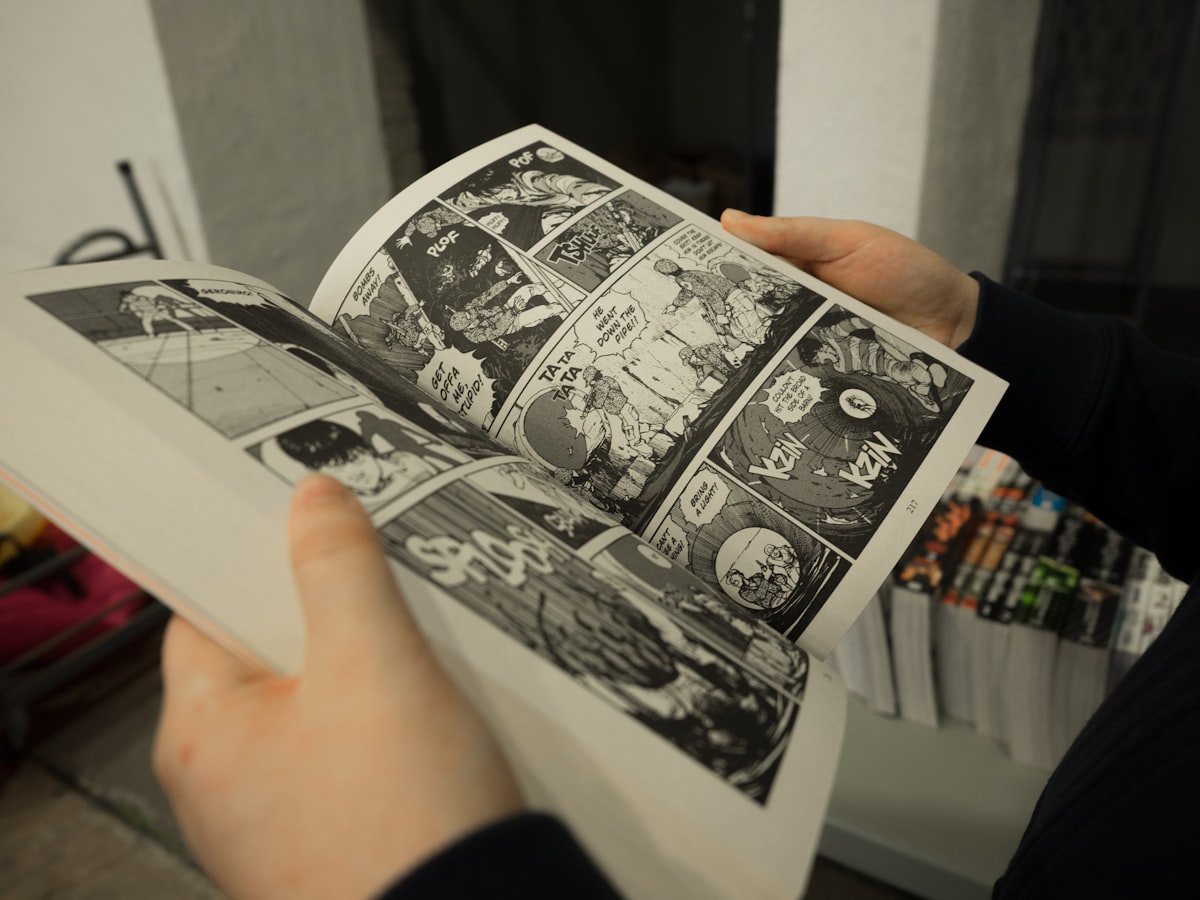
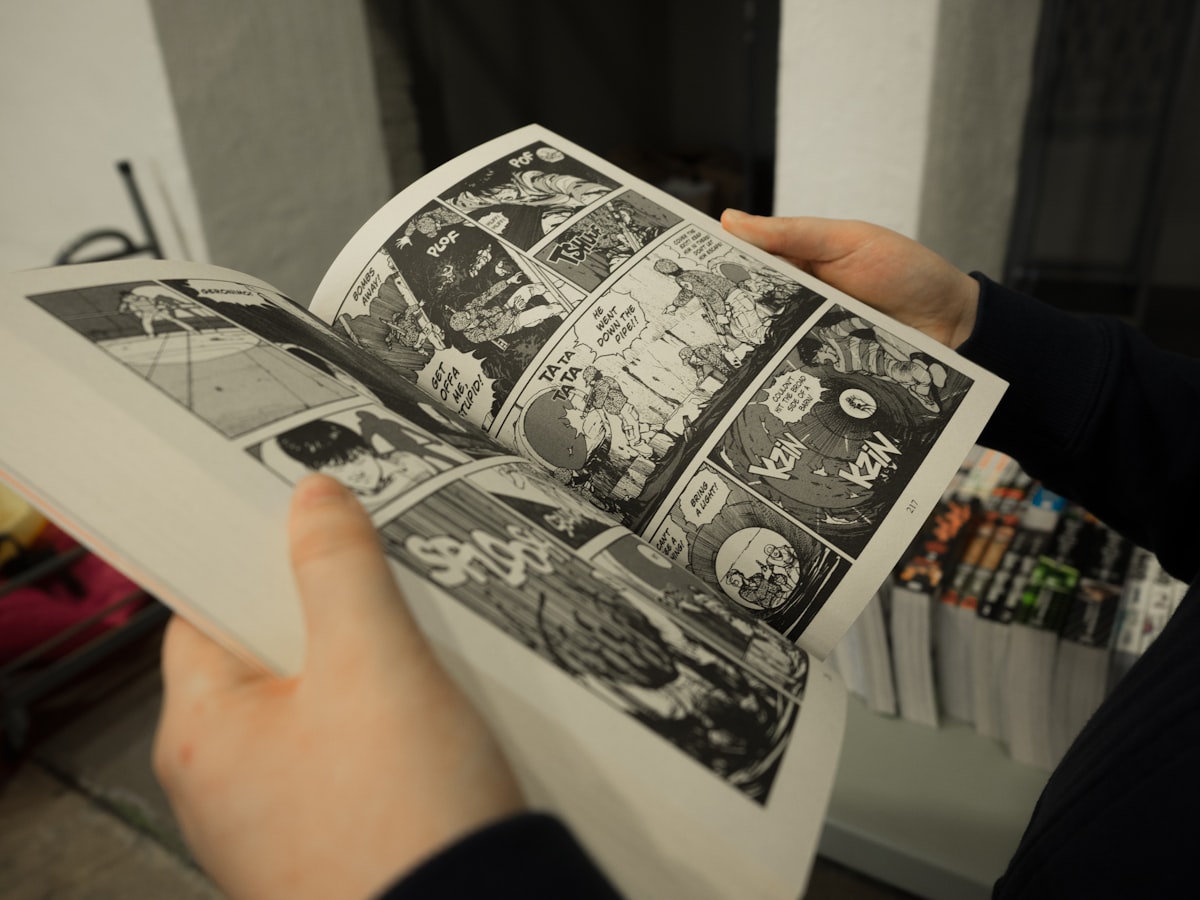
  • Dress Like Manga Characters, Stay Classy

    Dress Like Manga Characters, Stay Classy

    Introduction

    Whether you’re rolling your eyes at the idea of manga-inspired style or eagerly planning your next wardrobe upgrade, one fact remains: manga has infiltrated global fashion and continues impacting men’s formal attire in ways we can’t ignore. If you think you’re too “serious” for these influences, think again. Sophistication and subtle references can live in the same closet without throwing your entire personal brand into cartoon chaos. The goal here is to explore how you can dress like anime characters in a stylish, grown-up manner. Fancy a little bit of “One Piece” drama? Good news: you can flaunt these references in men’s suits that blend Swiss refinement, Italian tailoring for men, and Japanese pop culture. Pull up your seat—let’s set the stage for some sarcastic, enthusiastic, and factual fashion insights.

    Why Manga-Inspired Formal Attire?

    So why in the world would any self-respecting grown-up decide to weave anime illusions into a tailored outfit? Call it a global obsession or a “woke” mode of expression, but the truth is that mainstream fashion has long borrowed from subcultures to keep things fresh. Manga and anime, with their vibrant storytelling and colorful characters, have been creeping into runways for years. That means you can capture a hint of dress like anime characters while still looking like you’re on your way to a respectable function.

    In Switzerland, this trend is extra interesting because Swiss fashion trends lean toward subtlety. If you stroll through places like Geneva or Zurich, you’ll notice that men typically stick to neutral hues and refined tailoring. But do you know what’s also happening behind closed doors? Fans are devouring “One Piece men’s fashion” tips on forums, seeking that edgy flair. If you think you’re alone in wanting to incorporate anime influences, think again. The mash-up of Swiss minimalism, Italian tailoring for men, and the bold spirit of manga is a direction that shows no signs of slowing down. It’s the mode of the moment.

    Sure, you might not see full-blown costumes roaming the streets every day, but subtle or “classy cosplay ideas” are trending. Striking a balance between pop-culture love and suitable-for-the-boardroom attire is easier than you imagine. And if you still need persuasion, let’s just say that blending the escapism of anime fandom with top-tier suits might be the ultimate conversation starter at Swiss events.

    Finding the Right Balance

    Let’s face it, waltzing into an executive meeting in a neon-green wig inspired by your favorite show is probably career suicide—unless you work for a cutting-edge tech start-up that loves comedic flair. For the rest of us, it’s all about striking that perfect balance. You want to incorporate subtle manga references without sacrificing your dignity or ignoring men’s formalwear tips that ensure you look pulled together.

    One trick is to pick a color palette that echoes your favorite manga without screaming it. Think about a black suit with manga twist: black naturally gives you that sleek, neutral base, but you can choose a pocket square pattern reminiscent of your chosen series’ iconic color scheme. Or maybe your tie features a slight pop of a typical anime hue—like bright red or electric blue—that references a well-known formal anime outfit. When folks look closer, they’ll see a nod to your fandom. From afar, you’re still dressed in a presentable mode that’s acceptable for any sophisticated Swiss gathering.

    Looking at iconic suits from popular manga is another way to spark inspiration. Series like “Psycho-Pass” or more outrageously, “JoJo’s Bizarre Adventure,” offer flamboyant references to shape your outfit. But let’s remember to keep it refined. Pair any eccentric pattern with timeless tailoring, perfect proportions, and high-quality fabrics to ensure you don’t look like a grown man playing at a middle-school costume party. Ultimately, it’s about tasteful how to wear manga suits strategies blended with Swiss elegance.

    Examples of Manga-Inspired Looks

    If you’re still feeling lost, never fear. Let’s break down a few potential approaches to refine your style so you can dress like anime characters while keeping your professional edge.

    One Piece Gentlemen’s Attire

    It’s hard to talk about anime without discussing One Piece. Interestingly, “One Piece men’s fashion” is more of a phenomenon than you’d expect. Characters like Sanji (famously known for his stylish suits and extravagant cooking skills) and Trafalgar Law (rockin’ a more edgy vibe) are prime inspirations. Sanji, for instance, often wears a sleek black suit that exudes a classy-yet-dangerous aura. Taking a leaf out of his book, you could opt for a double-breasted jacket with gold or brass buttons—just enough to add flair without tipping into gaudy territory.

    To add that subtle manga influence on suits, choose a patterned tie that might echo a pirate’s motif or a unique color associated with your favorite crewmember. Keep your shirt crisp and your accessories minimal yet statement-making. A well-placed ring or a pair of cufflinks shaped like tiny anchors can catch an observant eye. The best part is that men get to channel a “pirate-chic” vibe without sabotaging a formal occasion. Swiss bankers might secretly nod at your adventurous spirit while you’re sipping an espresso in the lounge.

    Classic vs. Contemporary Manga Styling

    Before mid-2000s anime hit the mainstream, 90s manga had a certain flair marked by baggy clothes, loud prints, and borderline theatrical presentations. Fans who grew up in that era might remember rummaging local shops for anything that resembled their beloved characters’ outfits. Ah, good times, especially when your parents gave you that “Are you serious?” look. But these days, the approach is much more refined because Swiss men’s style demands subtlety and class.

    A contemporary manga-inspired style often means picking single design cues from a character—like a toned-down jacket color or an understated motif—for your suit. Meanwhile, older fans nostalgic for that 90s era can add a more vintage pattern to their ties or maybe a throwback color scheme that channels classic anime heroes. The result? A fusion of old-school and modern that keeps you looking sophisticated, not stuck in the past. Think of it as refined anime cosplay—classy, polished, and a conversation starter at any Swiss or global soiree.

    Accessorizing for Impact

    While the suit cut and color palette are crucial, accessories are where your personality truly shines. Consider manga-inspired ties and pocket squares that feature subtle line art of your favorite series. Alternatively, cufflinks can brandish tiny logos or shapes referencing major anime studios, iconic weapons, or symbolic items. These small details will provoke curiosity among those who share your fandom, sparking an immediate bond.

    If you want an extra bold twist while still maintaining a classy aura, combine your formal attire with a thematic watch strap. For instance, a strap dyed in the same hue as a dramatic character’s fighting gear can add that extra dash of intrigue. The key is to ensure the rest of your outfit remains suitably muted. In formality-driven Switzerland, a single “loud” accent is more than enough—especially if you’re after that unique men’s attire sweet spot.

    Best Fabrics & Cuts for Subtle Cosplay

    Let’s talk texture for a moment. High-quality fabric is non-negotiable if you want to look and feel your best at Swiss luxury mode gatherings. Don’t try to replicate anime costumes in cheap polyester or spandex if you’re aiming for that grown-up vibe. Instead, invest in worsted wool, a breathable and elegant choice perfect for dressing for Swiss events in cooler weather or even year-round in climate-controlled venues.

    When it comes to cuts, you’ll want that hallmark Italian tailoring for men: slimming around the torso with just enough structure. A well-tailored suit jacket provides the canvas you need so any subtle manga references don’t look out of place. Double-breasted suits can recall an old-world elegance that pairs nicely with the flamboyance of anime influences—a sort of “East-meets-West” fusion. Or you could try a more relaxed classic cut if you’re channeling an older manga aesthetic. Just remember: it’s you wearing the suit, not the other way around.

    Minimal patterns, such as fine herringbone or discrete pinstripes, can mimic manga line art. Think about how many stylized black-and-white panels you’ve admired while reading your go-to series. A subtle pattern might perfectly nod to that style without screaming, “I’m cosplaying right now!” Lepel notches that bend slightly stylized? That’s a wink to your fandom, folks, not a red blinking sign begging for attention.

    Practical Tips & Styling Advice

    Next up: color combinations. Don’t be too shy in mixing tones like navy with a bold tie featuring patterns reminiscent of your favorite character’s outfit. Since many anime costumes are bright and eye-catching, focus on an accent for your formal ensemble. Optionally, incorporate a detail like an embroidered symbol at the inner lining of your jacket; it’s your little secret until you choose to reveal it. That’s possibly the epitome of a formal anime outfit done with class.

    In terms of proportion, bear in mind all the usual men’s formalwear tips: jacket sleeves should reveal a quarter inch of shirt cuff, trouser hems should break just above your shoe. Keep it fitted but comfortable, ensuring you can move around. Nothing is worse than trying to modishly bow while greeting someone at a dressing for Swiss events function, only to hear your suit jacket tearing at the seams. Remember, function should never be sacrificed in the name of questionable style.

    So, how do you pull off just the right blend of authenticity and professionalism? Make your focal point small: a single color highlight, a single accessory, or a single pattern. That approach ensures you don’t end up looking like an overdressed extra from a random anime convention (unless that’s your vibe, in which case, go for it—but don’t blame us if a stiff-lipped Swiss local raises an eyebrow).

    Spotlight: Swiss Clubs & Events

    Switzerland has pockets of anime fandom that you might find surprising. Major conventions like Polymanga in Montreux or Japan Impact in Lausanne attract thousands of fans, a decent slice of them being well-dressed men. These events are prime platforms to test your signature “dress like anime characters while staying classy” look. Imagine sporting a crisp black suit with manga twist while mingling among heavy cosplayers decked out in full gear. You’ll stand out for your elegance, not just your fandom flair.

    In addition to large conventions, smaller anime clubs often host meetups in cultural centers or local coffee shops. These meetups are some of the best places to experiment with your newly curated manga-inspired style. You might catch compliments from a fellow attendee or two who notice the subtle manga references in your blazer lining or tie. Plus, it’s an excellent conversation starter: “Oh, you spotted that minimalistic ninja star pattern? You have a keen eye, my friend.”

    Such events are the perfect stage for classy cosplay ideas because you’re neither over- nor underdressed. While others stick to conventional streetwear or full-blown costumes, you can flaunt your carefully tailored ensemble from Italian tailoring for men that merges your love for anime with an appreciation for Swiss formality. And, let’s be real: that’s probably the best type of mode to be in.

    Conclusion

    With the rise of global manga fandom, it’s no surprise that suits worldwide—especially in the refined realms of Swiss men’s style—are dancing with a bit of anime flair. “One Piece,” the unstoppable juggernaut, has shown us how men can channel pirate vibes into slick, modern mode. Other series offer unique aesthetics that can blend seamlessly with top-quality suits, giving you that perfect chance to experiment. The key is to keep it subtle, to evoke a tasteful nod to your fandom without broadcasting it like a neon billboard.

    Remember, incorporate personal touches such as a striking tie, distinctive cufflinks, or a refined color accent that respects the traditions of combining Japanese and Italian fashion. It’s not about blasting your love for anime onto every square inch of fabric, but weaving in sweet nods that only the right crowd will fully appreciate. These days, the best form of unique men’s attire is the one that merges a global perspective, from Swiss luxury mode to Tokyo street culture.

    So the next time you attend a formal event or even just a casual meetup, test these tips. Dare to bring just a dash of that manga influence on suits into your outfit. You’ll be refined enough for any black-tie function while quietly letting the world know you’re not afraid to dress like anime characters, but with grown-up confidence. Ready to take the plunge? Explore our handpicked selection at ItalianSuits and discover how how to wear manga suits can be easier than you ever imagined. Give your closet that subtle manga-inspired style upgrade—and live happily in your own scripted storyline, no matter what event awaits.

  • Healthy Eating Tips for a Busy Swiss Workweek

    Healthy Eating Tips for a Busy Swiss Workweek

    In today’s bustling Swiss business world, flexible schedules, high expectations, and daily responsibilities often leave many men striving to keep up. Amid tight deadlines and back-to-back meetings, people might overlook the importance of balanced nutritoin. When life moves at top speed, finding ways to incorporate healthy eating becomes essential for both physical health and professional appearance. This is especially true for men who value mode, suits, and a polished appearance in the workplace. Whether you’re racing to catch a train in Zurich or driving from one appointment to the next in Geneva, smart meal choices ensure you have the energy and confidence to shine each day.

    In this guide, we focus on practical tips and time-saving nutrition hacks you can implement, no matter how packed your schedule is. We’ll explore how balanced nutrition influences posture, energy, and overall mood, which in turn supports that perfect fit of Swiss business suits. You’ll see how small yet meaningful strategies—like quick healthy breakfast ideas, a weekend meal prep routine, and skipping poor snack options—can make lasting changes in your well-being. Achieving a consistent meal prep schedule for men requires thoughtful planning, but it doesn’t have to be complicated. In fact, integrating local Swiss grocery delivery services or mindful dining at healthy Swiss dining options can significantly ease the load.

    Additionally, we will consider the role of certain factors such as wegogvy, ozempic, and other professional appearance tips to ensure you feel your best while wearing suits each day. Before turning to solutions like ozempic, though, always remember to seek professional guidance from qualified healthcare experts. Creating a consistent approach to nutritoin can improve posture with diet, enhance your confidence in formal outfits, and help you feel energetic during your busy Swiss workweek. Now, let’s delve into these healthy office lunch ideas and strategies for balanced eating!

    The Importance of a Balanced Diet

    Nutritional Basics

    A balanced diet for busy professionals centers on three main macronutrients: protein, carbohydrates, and fats, plus micronutrients for wellbeing, such as vitamins and minerals for energy. Protein plays a key role in maintaining muscle tone—especially important for men who want to look sharp in suits—and also supports daily repair mechanisms in the body. Carbohydrates provide the fuel your brain and muscles need during a hectic schedule, while healthy fats aid in hormone production and nutrient absorption. By combining these macronutrients in proper proportions, you keep your body fueled and your mind focused. This synergy is also supported by mindful supplementation or consultation when exploring options like wegogvy or ozempic.

    For men working in Switzerland’s corporate scene, effective nutritoin has a direct impact on day-to-day performance. Rushing from meeting to meeting in your best mode can be exhausting without the right intake of nutrients. If you neglect balanced meals, you might struggle to maintain vitamins intake. This in turn can lead to sluggishness, irritability, and an overall drop in productivity. But when you prioritize a balanced diet with proper micronutrients for wellbeing, you set the foundation for a stable mood and steady energy. A high-protein meal plan featuring lean meats, beans, eggs, or Greek yogurt complements your busy week and helps you stay on top of projects, deadlines, and calls.

    Impact on Appearance and Mood

    The link between healthy eating and appearance is often underestimated. However, when men focus on nutritoin that includes micronutrients for wellbeing, their skin gains a fresh glow, and their posture can improve with diet. Good posture, in turn, elevates the way suits fit, speaking volumes about confidence and professionalism. Furthermore, fueling your body with a balanced diet for busy professionals can help mitigate stress-related issues such as breakouts or fatigue. When you feel lively from proper nourishment, your mood naturally brightens, making day-to-day tasks and interactions smoother—a welcome benefit for professionals who count on strong first impressions.

    Not only does consistent nutrion sharpen mental focus, it also supports better muscle tone—leading to a fit shape beneath your mode wardrobe. Whether you’re rushing through consecutive presentations, networking at industry conferences, or showcasing Swiss business suits in external meetings, the advantage is clear: you appear prepared, collected, and enthusiastic. For those curious about any potential supporting tools like ozempic or wegogvy, remember that these medical interventions might be beneficial under certain circumstances, but they are never a substitute for actual healthy eating habits. Always discuss such choices with a licensed nutritionist or healthcare provider before making them part of your routine.

    Common Busy Workweek Challenges

    In Switzerland, the corporate pace can be quite demanding, often leaving little room for constructing a high-protein meal plan or carefully planning office-friendly recipes. Early train commutes, late-night deadlines, and high-pressure responsibilities make it challenging to dedicate time to balanced nutritoin. Without a meal prep schedule for men, you may find yourself relying on quick conference-room pastries or skipping meals entirely. Over the long run, these habits compromise your micronutrients for wellbeing.

    Stress is another major factor. Long hours, crucial reports, or client negotiations can contribute to mindless eating patterns. Reaching for sugar-laden snacks instead of desk-friendly snacks like nuts or dried berries might provide a temporary energy fix, but that fix is typically short-lived. Over time, these momentary solutions can weaken your performance and your appearance, and may even reduce your readiness to flaunt suits that represent your brand and style. To combat these issues, healthy Swiss dining options, Swiss grocery delivery, and weekend meal prep routine planning can alleviate the pressure of daily decision-making around food. Mindful strategies ensure men on the go can maintain vitamins intake and focus on more pressing concerns without the guilt of hasty, unbalanced meals.

    Practical Strategies for Healthy Eating

    Meal Prep Tips

    One of the best ways to stick to a balanced diet for busy professionals is to implement a weekend meal prep routine. Dedicate an hour or two on Saturday or Sunday to plan and prepare your weekly meals. By investing this time, you’ll have quick access to nutritious options and cut down on stressful last-minute decisions. Opt for versatile foods—like chicken breasts, beans, turkey, or hard-boiled eggs—as they provide valuable protein necessary for men who want to feel at ease in their suits. Toss in staple grains such as brown rice or quinoa, and round out each meal with colorful vegetables like spinach, kale, or bell peppers for a full dose of micronutrients for wellbeing.

    To save even more time, batch-cook essential items. For instance, roast a tray of mixed vegetables to use across multiple lunches or dinners, or grill enough chicken for several days. Spread items into reusable containers so that you can simply grab a portion and go. This approach not only addresses fast Swiss meal prep challenges but also helps in portion control—which can be key for men hoping to maintain a lean, well-fitted physique beneath their mode. When combined with strategies like desk-friendly snacks and solid hydration practices, this meal prep schedule for men can be the foundation for consistent nutritoin throughout the week. If specific concerns about weight management, posture, or energy persist, ask a certified expert about more specialized approaches, including any relevant discussions on ozempic or wegogvy.

    Healthy Snacks and Office-Friendly Foods

    When the grind of a Swiss business day grips you, having healthy office lunch ideas and desk-friendly snacks at your disposal is a lifesaver. Nuts, seeds, and berries all pack high levels of vitamins and minerals for energy. Greek yogurt can bolster a high-protein meal plan for those particularly focused on muscle tone—an important factor for men in suits. Granola bars with low sugar content, sliced fresh fruit, or whole-grain crackers topped with cheese can also keep hunger at bay and help you resist the temptation of sugary vending machine options.

    Additionally, quick healthy breakfast ideas—such as oatmeal topped with almonds or a blended smoothie filled with spinach—ensure that you start the day on the right foot. Breakfast skipping can sabotage your entire morning, resulting in low energy levels and a desire for sugary snacks by mid-morning. This is precisely why a balanced breakfast sets the stage for mindful nutritoin the rest of the day. By opting for filling, protein-rich foods early on, you’re less likely to reach for empty-calorie treats. Remember that real, whole foods should power your body long before considering alternatives like wegogvy or ozempic.

    Leveraging Swiss Resources

    Switzerland is well-known for its fresh produce, dairy products, and high-quality ingredients—an ideal setting for men seeking to refine their nutritoin. By sourcing local and seasonal foods, you not only support local farmers but also secure nutritious choices filled with vitamins and minerals for energy. The country’s farmer’s markets and supermarkets are stocked with fresh fruits, vegetables, cheeses, and meats that enhance your weekend meal prep routine. This gives you access to best foods for men’s suits fit by maintaining a balanced combination of protein, fiber, and essential nutrients.

    In addition, Swiss grocery delivery services make it easier to keep high-quality ingredients on hand. You can order everything from locally grown vegetables to lean meats from reliable online platforms, letting you stay focused on your busy schedule without sacrificing balanced nutritoin. While you look after your work commitments, streamlined grocery solutions ensure you have the tools to commit to healthy office lunch ideas and time-saving nutrition tips. This dual approach of utilizing local resources and modern conveniences ultimately supports the synergy of nutrition, mode, and confidence that men need to excel in their professional lives. Always remember that suits look best on men whose bodies receive consistent nourishment.

    Maintaining Nutrition on the Go

    Tips for Dining Out

    Balancing nutritoin in a hectic Swiss workweek often includes meals outside the home. Whether you’re meeting clients for lunch or catching a quick bite between office visits, scanning menus carefully helps you preserve good eating habits. Search for healthy Swiss dining options that offer grilled proteins, salads, or whole-grain side dishes. Make use of smaller portions if servings are large, ensuring you don’t feel drowsy from overindulgence while you still want to look sharp in your suits. If you’re traveling across Switzerland’s vibrant business districts, take a moment to research local restaurants offering fresh ingredients and balanced dishes. You’d be surprised how many quick yet healthy choices cater to busy men without compromising taste.

    When deciding what to order, consider selections that align with your high-protein meal plan or best foods for men’s suits fit. Fish, lean red meat, chicken, or plant-based proteins like tofu provide essential amino acids. Complement these proteins with vegetables and a moderate side of carbohydrates, such as brown rice, whole-wheat pasta, or sweet potatoes. Resist sugary sodas or creamy sauces loaded with extra calories. Take a mindful approach if beverages are part of the meal, opting for water or sparkling water over sweetened drinks. With a bit of planning, you can transform quick lunchtime outings into beneficial, consistent nutritoin opportunities rather than setbacks.

    Incorporating Supplements Wisely

    While most men can achieve a balanced diet for busy professionals through whole foods, there might be cases where supplements help fill gaps. If you are experiencing hectic periods, ensuring you maintain vitamins intake could prevent fatigue and dips in immunity. Supplements like vitamin D, magnesium, or omega-3 can offer support, especially if your exposure to sunlight or fish intake is limited. However, it’s crucial to consult with a qualified dietitian before adding anything beyond your basic meal plan. This is especially true if you’re contemplating medical treatments or prescriptions such as ozempic, which can affect insulin levels, or even exploring wegogvy. Personalized medical advice prioritizes safety and ensures that your approach to nutritoin complements rather than complicates your suits style and overall well-being.

    Incorporating supplements sensibly fits well with a broader healthy office lunch ideas framework. Just like a well-tailored suit complements your physique, the right micronutrients for wellbeing can upgrade your health. However, medical professionals emphasize that no pill or prescription can undo chronic unhealthy eating patterns. Instead, these solutions can only support a balanced approach that includes regular exercise, wholesome selection of foods, and mindful stress management.

    Balancing Physical Activity and Nutrition

    Although this post focuses on improving your workweek nutritoin, consistent physical activity is also vital for men who want to sustain energy levels. Combining moderate workouts, such as morning runs or short office breaks for brisk walks, with thoughtful meal prep schedule for men amplifies the benefits of a healthy lifestyle. The synergy of regular exercise and a high-protein meal plan helps build muscle, burns excess calories, and supports cardiovascular health. Not to mention, it also fosters a confident posture—an essential element for wearing suits with style.

    Beyond formal workouts, consider subtle ways to incorporate movement into your day. Use the stairs instead of the elevator, walk or cycle for errands, or perform simple desk stretches to offset hours spent sitting. Physical activity not only keeps your body in shape, but also improves mental clarity, resulting in heightened productivity. This balanced approach—diet, exercise, and daily mental well-being—ensures men can tackle professional challenges with poise and an assured expression that highlights the refined look of Swiss business suits. If you ever decide to explore resources like wegogvy or ozempic, note that an active lifestyle remains essential.

    Conclusion

    As life in the Swiss business world keeps moving at a rapid pace, men who place a premium on refined mode, crisp suits, and optimal well-being should never underestimate the power of healthy eating. By building a meal prep schedule for men, selecting desk-friendly snacks, and using Swiss grocery delivery to stock up on fresh, nourishing foods, you can preserve consistent energy and clear focus each day. Whether you need a quick healthy breakfast idea ahead of morning meetings or a satisfying high-protein lunch to fuel your afternoon, these strategies help you stay on track without adding stress. Balancing nutritoin at home and on the go contributes to improved posture, brighter skin, and the confidence to wear suits in a way that projects success.

    Now is the time to implement these tips in your daily routine. Experiment with easy changes first—such as planning office-friendly recipes for breakfast or lunch—then gradually build a robust weekend meal prep routine to keep you ahead of the rush. Keep in mind the importance of micronutrients for wellbeing, essential vitamins and minerals for energy, and how they help you maintain a confident, professional appearance. When used properly, tools like ozempic or wegogvy can supplement a holistic approach, not replace it. Share your experiences with friends, colleagues, or fellow professionals, and inspire each other to adopt these healthy eating practices. By staying committed to nutritoin that suits men of all walks, you’ll see how a balanced diet can transform not just your suits, but also your mindset and performance. Take the next step and show the world a healthier, more vibrant you!

  • Beginner to Intermediate: Skiing Step-by-Step

    Beginner to Intermediate: Skiing Step-by-Step

    Introduction

    Making the leap from a novice to a confident ski enthusiast is a thrilling journey. If you have been searching for helpful beginner ski tips, you are already on the right path. Moving beyond your first days on the snow means exploring more advanced approaches to balance and stability on slopes. Alongside your determination, the Salomon brand is here to support you. Equipping yourself with reliable shoes, a protective helmet, and learning how to improve ski basics can transform each run into a moment of progress. When you have proper gear and a steady mindset, you will find that every ski run becomes a chance to develop your technique further. This blog will walk you through the essential steps so you can embrace your progression with excitement.

    Graduating from basic snowplow maneuvers to more challenging descents requires patience, practice, and the right equipment. This includes selecting the proper ski, understanding essential materiel care, and investing in items like Salomon ski gear. With Salomon, you can explore a range of options that help you learn intermediate skiing techniques. Once you feel secure in your stance, you can focus on how to ski with confidence. This involves refining your posture, adjusting your balance, and controlling your speed across different slope conditions. It is a gradual journey that often begins with gentler turns and simpler variations in terrain. By combining determination and sturdy materiel, you set yourself on a path toward continuous development. Additionally, keep in mind that any winter sports fitness routine you adopt will keep you flexible and strong for new challenges ahead.

    Understanding the Mental Game

    A shift in mindsets can be just as crucial as physical skill. Moving from purely beginner ski tips to more advanced methods requires believing in your ability to grow. Many people fear steeper slopes or worry about falling, but staying positive will make a huge difference. Instead of thinking about potential mistakes, picture yourself gliding down the mountain with control and ease. Setting realistic goals is also vital. Rather than jumping right into a black-diamond run, strive to master each level step by step. This way, you can celebrate each improvement along the way.

    In overcoming these doubts, having the right support from the Salomon brand can offer peace of mind. Whether it is through their online resources or their innovative Salomon ski gear, you will find plenty of encouragement to keep pushing on. An optimistic mindset naturally supports skiing progression steps, allowing you to test new turns, speeds, and drills without hesitation. Through gradual advances, your confidence flourishes, making it easier to tackle new terrain and refine your posture. The mental journey is about embracing each subtle gain, envisioning your future success, and staying patient with meticulous improvements.

    Upgrading Your Equipment

    Before you begin conquering advanced techniques, take a close look at your gear. Smooth transitions rely on equipment that expertly supports you. As you grow from beginner to intermediate, your materiel often needs an upgrade. This is the perfect time to explore the range of Salomon ski gear. Many intermediate skiers appreciate skis that have a slightly stiffer flex than the most basic models. These provide increased responsiveness and better control for carving turns effectively.

    Choosing the Right Ski for Intermediate Progress

    When selecting the best ski for your evolving skills, consider width, length, and shape. Narrower skis tend to turn faster, while wider skis carry you through softer snow with more float. Pair these features with your personal preferences. If you plan on frequent French Alps ski practice, you might enjoy a moderately wide board that performs well in various conditions. The Salomon brand offers diverse models that cater to both leisurely groomed runs and more adventurous powder trails. By aligning ski choice with your ambitions, you will maximize the benefits of each outing and move closer to those best ski slopes for intermediates.

    The Importance of Proper Shoes and Helmet

    Your shoes (commonly referred to as ski boots) are crucial for transferring your movements onto the snow. Boots that fit snugly yet comfortably are essential, as loose-fitting models make it hard to control your skis. Investing in suitable footwear, such as those from Salomon brand, can help you maintain proper form and reduce fatigue. Meanwhile, your helmet is non-negotiable—keeping you safe and steady so you can confidently practice safe slope transitions. A helmet should fit securely without any gaps. As your abilities grow, gear like shoes and helmet can be just as important to improvement as technique. All these points are part of essential ski gear recommendations for those looking to refine skills and protect themselves.

    Mastering Basic Carving Skills

    One of the biggest leaps into intermediate skiing involves carving turns effectively. Instead of using the snowplow motion, carving calls for your ski edges to dig cleanly into the slope, forming two distinct tracks. Begin on mild gradients where you feel secure. Shift your weight slightly to the outside foot while keeping your body balanced. Avoid leaning too far back, since that can eliminate edge grip. Over time, you will notice how your skis flow smoothly and maintain speed without skidding. When combined with well-fitted shoes, a properly adjusted helmet, and quality materiel, your carving technique will elevate your entire run.

    It helps to break down the carving process into smaller chunks: focus on rolling your ankles and knees to direct the edges, then keep your upper body stable. This approach is part of how to improve ski basics, ensuring you do not skip crucial building blocks. By patiently drilling each phase, you will gain muscle memory and reduce the risk of bad habits. Overthinking can happen, so remember to trust the process and relish each small progression. With the reliable support of Salomon ski gear, you will maintain better alignment and experience fewer surprises on the slopes.

    Incorporating Balance Training Off the Slopes

    You do not need to be on a mountain to sharpen your ski balance. Simple exercises at home can carry over wonderfully into actual runs. For instance, single-leg stands or using a balance board improves the stability necessary for intermediate skiing techniques. This is especially useful if you are aiming for ski lessons for advancing or looking to handle steeper runs with more confidence later.

    Including workouts targeting your core and legs will further amplify your control. Squats, lunges, and planks help strengthen the key muscles used in turning and absorbing bumps. This is also where your winter sports fitness plan can truly shine. By bolstering your physical condition, you prepare yourself for the added demands of more advanced ski terrain. Such off-mountain conditioning goes hand in hand with well-chosen shoes, a comfortable helmet, and the dependable design of Salomon products. In every step, you reinforce your foundation, enhancing your ability to maintain balance and stability on slopes once you return to the resort.

    Improving Pole Usage and Timing

    Many new skiers underestimate the role of their poles. Used properly, poles create rhythm in your turns and provide a light point of support during transitions. To begin, keep your arms in front of your body, elbows slightly bent. Plant the pole just as you initiate each turn. This can help you find that sweet spot in your carve and keep your torso facing downhill. For ski lessons for advancing students, fine-tuning arm movements can drastically improve control. Mastering pole usage helps you handle abrupt changes in slope angle and fosters how to ski with confidence, even on unfamiliar runs.

    It also connects to skiing progression steps. A small detail like a well-timed pole plant can stabilize your motion and sync your upper and lower body. Consider using lighter poles if you need more agility, ensuring your materiel fits your personal style. The hallmark of Salomon ski gear is that you can find various options designed for comfort and efficiency, further boosting each incremental improvement.

    Starting on Gentle Intermediate Runs

    After sharpening your carving, balance, and pole skills, you are ready to tackle gentler intermediate runs. These slopes are steeper than beginner terrains, but not excessively challenging. They are ideal for building consistent turn patterns, testing speed control, and embracing intermediate skiing techniques. Make every descent an exercise in precision. Lean slightly forward in your shoes to engage the tongues of your boots, and keep your helmet strapped securely for comfort and safety. Check that all pieces of your materiel are adjusted correctly before dropping in.

    Practice your newly learned carving strategies at a relaxed pace. Focus on letting your ski edges work for you instead of forcing them. Many find it helpful to count as they make each turn, reminding themselves to stay consistent. With each new run completed, you step closer to reading the terrain more accurately and reacting swiftly. The Salomon brand aims to guide you with durable gear and straightforward expertise, transforming these moderate slopes into stepping stones towards bigger challenges. Also, do not forget to pace yourself and pause if you get tired—staying fresh is crucial to practicing how to improve ski basics.

    Transitioning to Steeper Terrain Gradually

    Once you feel comfortable on gentle intermediate runs, it is time to progress to slightly steeper trails. Keep focusing on controlled arcs and fluid transitions. If you sense yourself speeding up, remember that tighter turns can temper your velocity. Glide steadily and maintain steady upper-body posture, letting your shoes guide your knees and feet. Remain mindful of your edges, as this is where Salomon ski gear truly shines, providing the grip and responsiveness needed for safe transitions.

    One method for bridging the gap from moderate slopes to more dramatic pitches is by tackling them in short sections. You can traverse diagonally, then make a turn to switch directions before continuing. This technique is especially beneficial for safe slope transitions. Give yourself time to adapt to each new angle and trust your helmet and Salomon brand equipment to keep you secure. Patience at this stage pays off by preventing fear from creeping in and sabotaging your progress. With consistency, you will gradually master a range of slope intensities and be well on your way to advanced terrain.

    Checking Weather & Snow Conditions

    A vital component of your journey from beginner to intermediate is learning how weather affects ski conditions. Temperature changes can alter the snow, making it softer or icier, which influences your approach. Before every trip, check local forecasts to decide if you need extra materiel adjustments, such as warmer gloves or different wax. If you have the option to practice French Alps ski practice, always confirm avalanche risks and expected snowfall patterns, as these factors vary by region.

    Embracing Salomon ski gear means keeping a safety-first mindset. The Salomon brand consistently researches how best to engineer products that help you remain agile on the mountain. Even the best runs can feel unpredictable if you do not pay attention to forecasts or the surface beneath your skis. From freshly groomed slopes perfect for learning to choppier surfaces that demand quick reflexes, staying observant ensures you adapt rather than fight the mountain. With enough awareness, your confidence grows, and you will have the tools to excel in multiple climates.

    Maintenance of Your Ski Materiel

    Maintaining your ski set is critical for consistent results. Check your edges regularly for burrs or nicks, as sharp edges provide good bite into the snow. Waxing is another key routine, enhancing glide and protecting the base. Count on Salomon ski gear combined with proper upkeep for reliability during every run. Storage also matters: keep your materiel in a dry area away from extreme heat or cold, and, if possible, unbuckle your shoes (ski boots) so their liners can air out.

    Do not underestimate the importance of regular binding checks. Proper binding release settings help keep you safe in a fall, preventing injuries that could arise from the ski not disengaging. If you feel unsure about any care aspect, consult a qualified technician—especially if you plan to explore the best ski slopes for intermediates. You want to trust that both your shoes and helmet are up to standard and that your entire array of materiel works seamlessly together. Staying proactive with maintenance helps you steer clear of setbacks and maximize your time on the mountain.

    Conclusion

    Transitioning from a new skier to an intermediate rider is all about combining mental focus, practical training, and consistent use of high-quality gear. Each step along this road—upgrading your shoes, selecting the right helmet, maintaining your materiel, testing new runs in a smart progression, and observing weather patterns—brings you closer to genuine mastery. With the guidance of Salomon and the reliability of Salomon ski gear, you can break down every skill into manageable pieces and build on them with confidence. Embrace skiing progression steps one turn at a time, trust your practice, and stay true to your goals.

    If you are ready to continue your journey, explore more resources from the Salomon brand to find expert advice, gear innovations, and supportive connections. Whether you are aiming for relaxed carving sessions, tackling more advanced terrain, or planning ski lessons for advancing, there is always something new to learn and enjoy. By focusing on gradual improvements and making the right equipment choices, you can truly experience the thrill of ski runs in a whole new way. Now is the perfect moment to refine your technique, challenge yourself responsibly, and discover just how far you can go with the right mindset and gear. See you out on the slopes!

  • How to Draw Expressive Manga Faces: A Step-by-Step Guide

    How to Draw Expressive Manga Faces: A Step-by-Step Guide

    Drawing expressive manga faces is one of the most exciting skills any aspiring artist can develop. From depicting joy and surprise to frustration and determination, manga characters thrive on dramatic facial expressions. These expressions give life to a story and captivate readers in ways few other art forms can match. This guide will walk you through how to draw manga faces in a step-by-step approach, focusing on basic proportions, shading methods, and emotional impact.

    At Apolline ecole d’art, we’re committed to nurturing creative talent by offering comprehensive cours manga. Our classes in ecole d’art lausanne focus on the core elements of illustration, ensuring you develop confidence in drawing expressive facial features. Whether you are a beginner ready to create your first sketches for manga faces, or an experienced artist seeking to refine your style, you’ll find something helpful in our cours manga. Let’s begin by exploring why expressive faces matter and how you can start mastering them from the ground up.

    1. Why Expressive Faces Matter in Manga

    Manga, by definition, is a visual storytelling medium, and faces are central to capturing each character’s mood, motivation, and personality. A well-executed manga face drawing tutorial can share a wealth of emotions through subtle changes in the eyes, eyebrows, mouth, and overall facial shape. Catchy expressions are not just for comedic relief or dramatic impact; they also help a story become memorable. Fans of Naruto face expressions, for instance, often point to how the art style manages to convey triumph, excitement, or sorrow in seconds. Similarly, the Attack on Titan art style capitalizes on intense emotions that practically burst from the page.

    In a cours manga, you’ll discover that storytelling is woven into every line. By learning how to draw manga faces effectively, you empower your characters to tell a deeper story. At Apolline ecole d’art, we embrace this narrative aspect in all our workshops, guiding students to channel feelings and authenticity into each drawing. We believe that ecole d’art lausanne learners benefit not just from technique, but also from understanding how to evoke emotional reactions through line, space, and shading.

    2. Understanding Basic Manga Face Proportions

    The foundation of every manga face is proportion. A balanced structure sets the stage for expressive potential. While there is no single rule that every manga artist follows, certain guidelines help you keep a harmonious look. A simple approach is to divide the face into thirds—forehead to eyebrows, eyebrows to the base of the nose, and base of the nose to the chin. Knowing where to place the eyes is key to mastering manga face proportions. If you look at classic shonen manga techniques, eyes tend to be placed around the center line of the head, with the nose roughly halfway between the eye line and the chin.

    If you take inspiration from shojo manga facial features, the eyes might be larger, the jawline softer, and the emotional range more pronounced. In shonen examples like Naruto or One Piece style tips, eyes might have a sharp or intense look to reflect the dynamic nature of the storyline. Regardless of style, stay consistent with your guidelines when sketching the eyes, nose, and mouth. This ensures that once you add different emotions—smiles, frowns, or gasps—the proportions do not suddenly shift, preserving visual continuity.

    When you join Apolline ecole d’art and attend our cours manga sessions, you’ll get hands-on practice tracing guidelines, structuring heads, and refining facial proportion. The method is systematic, so once you learn it, you can apply it to any manga subgenre—shonen, shojo, seinen, or even a custom style blending Swiss inspirations.

    3. Essential Materials and Tools

    Before diving into serious artwork, make sure you have the right tools. Many aspiring artists wonder which art supplies for manga faces are best. Generally, you want versatile pencils (such as an HB or 2B) for initial sketches, an eraser that doesn’t damage your paper, and fineliners or dip pens for clean inking. Markers, brush pens, or even watercolors can add a dynamic range of tones. For digital artists, a reliable tablet and illustration software will be your primary tools.

    In Switzerland, you can find high-quality materials at specialized stores in major cities or online. Resources recommended by our ecole d’art lausanne instructors include shops that carry brands known for smooth ink flow, such as Copic markers or Sakura pens. Many local students also appreciate participating in the Swiss manga community, where professionals share tips on where to buy supplies or how to replicate the Naruto face expressions style. For something more advanced, especially if you love the Attack on Titan art style, you might explore nib pens that help you create dramatic line weights. With the perfect set of tools, you can focus on details like shading, shape, and texture during your cours manga at Apolline ecole d’art.

    4. Step-by-Step Guide to Drawing Expressive Manga Faces

    This manga face drawing tutorial focuses on the basics. Apply these same steps to experiment with expressions for comedic, action-driven, or even romantic scenes. Practice consistently and don’t be afraid to experiment with new approaches.

    Step 1: Sketch the Basic Head Shape
    Begin with a light pencil outline of a circle or oval. Mark a vertical center line for symmetry and a horizontal line for the eye placement. Keep your lines smooth and light, so you can erase or adjust them easily.

    Step 2: Add Guidelines for Facial Features
    Place another horizontal guideline for the nose, about halfway between the eye line and the chin. Then mark a line further down for the mouth. This is the foundation that will later accommodate a variety of anime style expressions. If you want to try shonen manga techniques, make the chin a bit more angular. For shojo manga facial features, keep it soft and slightly pointed.

    Step 3: Define the Unique Facial Elements
    Draw two almond shapes for the eyes. Vary the size depending on the scene’s emotion; larger eyes can show innocence or surprise, while narrower eyes convey seriousness or determination. Include eyebrows that help express mood—arched for shock or slanted for anger. Add a small nose and mouth that align with your guidelines. Fine-tune your proportions to prevent a distorted look; referencing manga expression guide images can be helpful here. By this stage, your sketches for manga faces should look consistent and balanced.

    Step 4: Shading Methods and Depth
    After you have a refined pencil sketch, start adding depth with shading. Explore various manga shading methods: cross-hatching, feathering, or gradient shading. If you’re looking to improve manga expressions, remember that shading around the eyes can really amplify an emotion. Add gentle shadows below the chin and around the hairline. Subtle but well-placed shadows give your character presence.

    Step 5: Enhance the Emotion
    Now, push your character’s expression further. For anger, emphasize frowning eyebrows and sharper angles around the eyes. For happiness, enlarge the eyes, raise the eyebrows, and curve the mouth upward. The strength of manga lies in exaggerated visuals, so don’t hesitate to accentuate the features—even a small line around the eyes can convey tension or excitement. If you need references, look to One Piece style tips, where characters sport wide, dramatic expressions.

    As you follow this process, you’ll notice that systematically layering proportions, guidelines, and shading helps every drawing look more professional. We encourage our students at ecole d’art lausanne to attempt multiple step-by-step facial illustrations so they can pinpoint their strengths and weaknesses. Our cours manga also highlight the importance of constructive critique, allowing you to refine your approach each time.

    5. Common Mistakes and How to Avoid Them

    Like any art form, manga is prone to certain pitfalls. One typical challenge is drawing oversized features. While exaggerated attributes are part of the style, going too far can undermine realism. Another misstep is failing to keep proportions consistent when shifting the face to different angles. Practicing with multiple viewpoints—front, three-quarter, and side—prevents awkward alignments. Always go back to your guidelines for reference.

    Some beginners also create overly generic expressions. You can avoid this by deliberately experimenting with eyebrows, mouth shapes, and creative shadow placements. If you intend to replicate a specific character vibe, referencing the Attack on Titan art style or Naruto face expressions can help you see how professional artists handle intense emotions. Be patient; each sketch is an opportunity to improve. At Apolline ecole d’art, our experienced instructors guide students in real-time during cours manga sessions. We identify any missteps early and help you build strong habits, ensuring you progress steadily.

    6. Incorporating a Swiss Cultural Flair

    Manga can be universally appealing, but as a Swiss institution, Apolline ecole d’art encourages you to explore how local influences might shape your art. Incorporating Swiss motifs—like alpine flora or architectural patterns—brings a fresh perspective to your characters. Consider integrating the iconic mountain silhouettes into a piece of jewelry your character might wear, or use crisp geometric shapes inspired by modern Swiss design on clothing. The Swiss manga community is growing, and infusing personal and regional details can make your work resonate on a deeper level.

    Our ecole d’art lausanne puts emphasis on experimentation. Whether you are practicing drawing emotional reactions or just refining your line art, feel free to weave Swiss elements into your story. This approach not only highlights your unique identity but also broadens the visual language of manga. With guidance from our cours manga, you’ll find exciting ways to blend different cultural aesthetics while retaining the unmistakable charm of manga.

    7. Practicing and Sharing Your Work

    The key to mastering expressive manga faces is consistent practice. Dedicate time each day or each week to drawing at least one full face in various emotional states—joy, anger, shock, sadness, or intense focus. As you practice, note improvements and areas needing more work, such as eye symmetry or mouth placement. Deliberate practice helps you refine your technique, especially if you follow a structured manga face drawing tutorial regularly.

    Engaging with the Swiss manga community is another excellent way to receive constructive feedback. Local art clubs, online forums, and social media groups devoted to anime style expressions can offer insights and tips. You might also discover events or exhibitions in Switzerland where you can showcase your portraits. Students at ecole d’art lausanne often form study groups and attend conventions together. By actively sharing your sketches, or even participating in step-by-step facial illustrations challenges, you build confidence and stay motivated to keep drawing.

    If you’re ready to deepen your skills, Apolline ecole d’art offers advanced cours manga that dive further into character design, narrative structure, and specialized inking techniques. When you collaborate with other students, you also get to see how they approach different expressions, which broadens your perspective. Whether your goal is to create your own comic or simply to improve manga expressions, a supportive environment will help you reach your fullest potential.

    8. Conclusion

    Capturing strong emotions through manga faces is all about understanding proportions, mastering shading, and boldly experimenting with styles. By aligning these techniques—head guidelines, balanced features, exaggerated expressions, and local creative influences—you’ll develop a distinct artistic voice. The power of manga lies in its ability to communicate deep emotion through seemingly simple lines, and expressive faces serve as the gateway to this visual language.

    We invite you to continue honing your skills at Apolline ecole d’art. Our ecole d’art lausanne offers immersive cours manga that empower you to confidently draw faces brimming with personality. Keep practicing, share your progress with a supportive community, and don’t hesitate to explore the world of manga beyond its standard boundaries. Enroll in one of our specialized cours manga today, and start creating characters whose faces speak volumes!

  • Perfect Your Carving Technique on the Slopes

    Perfect Your Carving Technique on the Slopes

    Introduction

    Carving on skis is one of the most rewarding skills a skier can master. Not only does it look elegant, but it also helps you maintain better speed, stability, and confidence on every slope. When you learn how to carve on skis, you transition from basic turns into smoother, more efficient arcs that tap the full potential of your gear and technique. Whether you’re aiming to improve ski technique as you move from intermediate to advanced skiing or striving to perfect your form after years on the slopes, carving unlocks a new appreciation for the mountain experience.

    Salomon is dedicated to helping you refine your skiing abilities through high-quality materiel and expert guidance. From Salomon skis made with precise engineering to Salomon boots designed for comfort and performance, the brand continuously supports progression. This post will guide you through the main principles of a solid carving technique and offer tips to keep you safe and motivated. By focusing on key skills like ski stance and balance, mastering ski edges, and choosing the right equipment, you’ll be able to elevate your carving abilities and ski with greater joy.

    Carving Basics

    Carving is essentially the art of using the shape and edges of your skis to cut into the snow. This causes your ski to grip and glide along its side instead of skidding. While many beginners learn to turn by pivoting or pushing their skis sideways, carving keeps you riding the rails of your skis, creating smooth and efficient curves. For anyone looking to improve ski technique, learning how to maintain proper contact with the snow is an important step.

    Unlike basic turning where you might force the skis, carving relies on each ski’s sidecut and edge angle to guide your turns. When you stand in the right stance, you reduce the amount of skid and allow the skis to do most of the work. This approach is easier on your legs once you master the fundamentals. It also helps accelerate your transition from intermediate to advanced skiing because you gain better speed control and accuracy.

    By carving correctly, you maintain a consistent track on the slope. That means you’ll likely find yourself using less energy to keep up with friends or family. You’ll also notice how carving on Salomon carving skis can enhance the experience, thanks to their reliable construction and performance. As a result, you’ll build confidence and feel your skills continue to climb.

    What Is Ski Carving?

    Ski carving involves engaging the edges of your skis into the snow at a precise angle, then riding those edges to produce curved tracks. It’s different from a basic turn because you use the ski’s natural shape to arc, rather than steering mostly with your feet or hips. The body leans slightly downhill, and the edges bite into the snow, so the ski moves smoothly in a curved path.

    When done well, carving reduces wasted movement and maintains speed. It also allows you to handle steeper sections of the mountain with less fear. The fundamental goal is to keep the ski edges locked in while you shift your weight from one side to the other. The Salomon carving equipment you choose can make a difference in how smoothly you ride those lines. Whether you use a helmet or a Salomon helmet, don’t forget that proper safety measures matter just as much as your technique.

    Why Carving Matters for Progression

    Being able to carve effectively on your skis is a key milestone for many people. First, proper carving opens the door to higher-level techniques, such as advanced carving exercises that help with short-radius turns and improved control on icy surfaces. When your edges provide a solid grip, you can lean into the turn with confidence and keep your momentum in check.

    Second, carving refines your balance, timing, and rhythm—among the most important aspects of intermediate to advanced skiing. The more you carve, the better you become at using gravity and slope angle to your advantage. Push your comfort zone in increments, and you’ll see how learning to carve can also reduce ski injuries, because a precise edge set often means fewer surprise slips. In many ways, carving effectively sets the foundation for a safer, more enjoyable time on the mountain.

    Finally, carving gets you acquainted with all the tools you rely on. From the Salomon skis you select to the Salomon boots and Salomon helmet that keep you supported and safe, your gear will shine when used correctly. Learning the science behind ski edges, stance, and body alignment goes hand in hand with understanding how to pick the best ski gear for carving. Just as choosing ski boots carefully ensures a proper fit, choosing the right skis for carving is key to a rewarding experience.

    Key Techniques for Mastering Carving

    Becoming a carving pro doesn’t happen overnight, but consistent practice will bring your skills up to speed. Below are some specifics on how to carve on skis by focusing on stance, edge control, timing, and the right materiel. If you implement these ski tips for intermediates and keep at it, you’ll see meaningful progress.

    Proper Stance & Balance

    Maintaining a good ski stance and balance is the cornerstone of a strong carve. Your knees should be slightly bent, allowing for shock absorption. Make sure to center your weight evenly on the middle of each ski, not leaning too far back or too far forward. Keep your chest up and your shoulders relaxed, facing down the slope. This open stance provides you with a clear view of the terrain and helps you stay agile.

    Common mistakes in stance often come from locking the knees, leaning more on one leg, or stiffening the upper body. Correcting these habits ensures your transitions from one edge to the other will be smoother and more controlled. You’ll find it easier to move into advanced carving exercises once you’re comfortable with a soft knee bend and a balanced upper body.

    Edging & Edge Angle Control

    Carving depends on your ability to tilt the skis onto their edges at the right moments. When you tip your ski and apply pressure, the edges bite into the snow. If you don’t tilt enough, the turn becomes a skid. If you tilt too aggressively and don’t support it with good balance, you might catch an edge or lose control.

    Incremental changes in edge angle are key. Let the ski do its job rather than forcefully yanking it around. Watch any high-level skier, and you’ll see a graceful rise and fall in their legs to initiate each edge set. As you get more comfortable, you’ll notice how helpful Salomon carving skis are for staying locked in those arcs—especially when combined with Salomon boots that match your foot shape. Take time to gently press your edges into the snow, increasing the angle as you gain confidence.

    Timing & Rhythm

    Carving involves repetition of linked turns, so timing and rhythm become crucial. Ideally, you’ll lean into each turn as soon as you complete the previous one. This steady flow generates momentum and helps prevent sudden jolts that throw you off-balance. You can practice carving technique drills that focus on your turn transitions, such as counting each turn in your head or using a metronome-like beat to stay consistent.

    When your timing is right, each carve feels natural. You shift weight smoothly between edges without pausing or twisting the upper body unnecessarily. In the beginning, do not rush. It’s often better to make slow, controlled movements, then build speed once you get the feel of that locking edge. Over time, your rhythm will help cultivate muscle memory that leads to improved confidence and performance.

    Equipment Considerations

    Your carving success isn’t solely about technique. The right materiel can take your progress to new heights. First, consider a well-fitting pair of Salomon boots. The comfort and support they provide let you focus on your edges and movements. Be sure to wear a reliable helmet—ideally a Salomon helmet—for protection. Not only does it keep you safe in the event of a tumble, but it also helps you stay relaxed, knowing your head is covered.

    Salomon skis come in various designs, and those intended for carving often feature a pronounced sidecut that makes turning easier. When you team up Salomon carving skis with Salomon carving equipment, you’ll notice a difference in how smoothly you can lay your edges into the snow. Your shoe (or ski boots) must be right for your skill level. If it’s too stiff and you’re still learning, you may struggle to flex your ankles effectively. If it’s too loose, you’ll lack the foot precision needed to truly carve.

    If you want to get the most out of your gear, keep an eye on ski equipment maintenance. This includes regular waxing and tuning the edges. Sharp edges are essential for carving, since you rely heavily on their grip. When you can trust that your skis will hold, you’re more likely to lean in and refine your skills.

    Advanced Carving Drills & Progression

    Once you have the basics under control, it’s time to ramp up your training with advanced carving exercises. These drills are perfect for those who already feel comfortable with consistent connected turns and want to reach higher performance levels.

    A popular drill is to increase edging at slower speeds on flatter slopes. Gradually roll your skis from a low edge angle to a steeper one across a broad, gentle slope. This helps you feel how each slight adjustment can sharpen your turns. Another drill involves focusing on short-radius carves. Begin with medium-radius arcs, then shorten them step by step. This technique forces you to place more emphasis on using your knees and hips in fluid motion.

    You can also practice carving technique drills that involve upper body awareness. Hold your poles out in front of you, shoulder-width apart, and aim to keep them level as you move. This helps you avoid excessive rotation in your upper body. If your poles start swirling around, you know you’re relying too much on arm movement instead of lower-body edging. It’s an excellent method to develop the muscle memory needed to truly master carving.

    As you explore more advanced slopes, remember that each mountain condition will test your carving in different ways. Icy terrain calls for more deliberate edge control, whereas deeper snow might demand lighter pressure and subtle body adjustments. Keep refining these transitions with Salomon skis designed for carving, and you’ll notice a newfound ease in how you connect one powerful carve to the next.

    Common Mistakes & How to Avoid Them

    Everyone has a few hiccups when first learning to carve. Fortunately, most mistakes are easily corrected with conscious effort and the right feedback. Here are some pitfalls:

    1. Leaning Back Too Far: Staying balanced over the center of your skis is critical. Leaning back can force your skis to lose their grip and limit your ability to manipulate the edge angles. Practice pressing your shins lightly against the front of your Salomon boots to maintain a centered stance.

    2. Over-Rotating the Upper Body: Some skiers swing their shoulders to initiate a turn. This disrupts balance and often results in skidding. Keep your upper body facing downhill and rely on lower-body movements to direct your carving.

    3. Inconsistent Weight Distribution: Splitting your weight incorrectly between your skis causes one ski to chatter or lose contact. Aim to distribute just enough pressure on the outside ski to hold the edge, while the inside ski helps guide the carve.

    4. Neglecting the Right Gear: Trying to carve with ill-suited materiel can stall your progress. If your helmet doesn’t fit or your shoe (ski boots) are too big, you won’t feel as secure. Prioritize best ski gear for carving, particularly equipment from Salomon, which designs skis specifically for strong edge grip and stability.

    By staying aware of these missteps, you’ll learn faster and reduce ski injuries that can result from poor form. Minor tweaks make a big difference, especially when you correct these errors early in your carving journey.

    Safety & Injury Prevention

    No matter how far you progress in your skills, safety should never be neglected. Carving with confidence doesn’t mean ignoring sensible precautions. Start by wearing a reliable helmet—like a Salomon helmet—every time you ski. This is among the easiest ways to protect yourself from serious head injuries. In addition, always warm up with light stretching and a few mellow runs before diving straight into advanced carving exercises.

    When discussing ski safety tips, posture and rest also matter. Take breaks when you feel tired, and remember that overexerting yourself can lead to lapses in technique. Proper hydration helps keep your muscles and mind alert, while focusing on consistent practice helps your technique become second nature.

    If you’re doing a lot of carving, you’ll place extra demands on your ankles, knees, and hips. Strengthening exercises such as squats, lunges, and balance drills can build a stronger base for your skiing. They’ll help you cope with variable terrain and reduce ski injuries. Combine this with routine ski equipment maintenance, and you’ll be well on your way to a safer and more enjoyable winter season.

    Conclusion & Next Steps

    Perfecting your carving technique is a journey that rewards patience and consistent practice. By focusing on posture, edge engagement, and timing, you’ll expand your skill set and gain the freedom to ski more challenging runs with genuine satisfaction. Remember to wear the right Salomon boots for support, keep your gear well-tuned, and protect your head with a proper Salomon helmet. Simple choices like these will enhance stability and allow you to concentrate on mastering ski edges across all types of terrain.

    As you continue to improve your carving, you’ll see how each day on the mountain becomes an opportunity to progress. Challenge yourself with carving technique drills and keep developing the basic foundations of ski stance and balance. Don’t forget to share your experiences, ask for advice, and consider taking lessons with a professional if you need extra guidance.

    Ready to take the next step toward a powerful carving game? Explore Salomon carving skis and Salomon carving equipment, and see how the right materiel can help you refine your technique. With ambition, dedication, and the right gear, you can become the skier you’ve always wanted to be. And, of course, have a blast along the way!

  • How to Master Freestyle Ski Tricks in the French Alps

    How to Master Freestyle Ski Tricks in the French Alps

    Introduction

    Freestyle skiing is an exciting winter sport that offers endless possibilities for creativity and progression. The French Alps stand as one of the most renowned destinations for freestyle enthusiasts, providing world-class snow conditions and an unforgettable mountain experience. Whether you are completely new to basic freestyle ski tricks or looking to refine your technique, this guide will help you get started on your freestyle journey in the picturesque Alps. Along the way, we will highlight key materiel essentials to bring, from shoes and helmet to performance-oriented skis, including the popular Salomon QST lineup.

    Before you head out, keep in mind that freestyle skiing does not only revolve around aerial stunts; it also involves understanding ski safety gear for tricks and focusing on proper balance. Skills like stance, timing, and awareness of your surroundings can make all the difference once you venture onto rails, boxes, or jumps. In addition, with the right Salomon support and Salomon gear, you can maximize enjoyment while minimizing injury risks. This introduction to beginner freestyle skiing tips will provide an overview of how to safely practice your first jumps, learn how to 180 on skis, and develop new freestyle ski techniques over time.

    As we journey through this French Alps skiing guide, you will discover where you can find the best parks, what freestyle ski equipment basics are essential, and how to progress without losing confidence. Whether you aim to land basic spins or want to advance toward bigger tricks, remember that consistency is key. By honing your stance, warming up properly, and using quality Salomon protective equipment, you will be one step closer to enjoying one of the most exciting winter sports around.

    Why Freestyle Skiing in the French Alps?

    The French Alps are heralded worldwide for their majestic scenery, vibrant après-ski culture, and top-tier ski resorts. When it comes to freestyle, the region offers snow parks filled with rails, boxes, and kickers shaped to perfection. If you are into freestyle skiing progression, the Alps boast numerous slope styles and halfpipes perfect for practicing basic freestyle ski tricks. For any thrill-seeker, the French Alps are more than just a scenic backdrop—they are a vibrant training ground for skiers of all levels.

    One major draw is the diversity of terrain. Resorts such as Chamonix and Val d’Isère have carefully maintained parks that cater to both novices and experts. You will find zones designed exclusively for beginner freestyle skiing tips alongside challenging features for more advanced ski gear for tricks. Meanwhile, local communities frequently host events, workshops, and competitions, granting visitors a chance to see professional athletes demonstrate new freestyle ski techniques. With the mountains’ natural contour and dedicated freestyle parks, it is easier than ever to immerse yourself in trick practice while enjoying local hospitality and French alpine culture.

    Another reason to choose the French Alps is the availability of high-quality materiel. Ski shops throughout the region carry a full range of top-tier Salomon products, including Salomon freestyle skis, Salomon ski boots, and specialized Salomon protective equipment. Whether you prefer the versatility of Salomon QST skis or the durability of other models, it is easy to find the right gear to help you master your best twin-tip skis for trick performance. Combined with the breathtaking valleys and cultural richness, it is clear why these alpine slopes serve as a true paradise for freestyle lovers.

    Essential Freestyle Gear for Beginners

    Approaching freestyle skiing progression effectively means knowing the right materiel to bring. Having a solid setup will not only make learning easier but also help you stay safe. Below, we will cover a few gear essentials, from shoes (boots) and helmet to specialized skis and clothing.

    Ski Equipment 101

    When picking your first freestyle setup, look for best twin-tip skis that allow smooth landings and easy switch riding. Twin-tip designs feature an upturned tail similar to the ski tip, enabling you to land backward and transition seamlessly between forward and switch skiing. Brands like Salomon are known for delivering reliable, lightweight freestyle materiel, and the Salomon QST line in particular is popular among skiers aiming for both park and all-mountain versatility.

    Additionally, keep an eye out for Salomon freestyle skis with softer flex, as they help absorb impact and offer more forgiveness if you land imperfectly. Their shape also aids in controlling spins when learning how to 180 on skis. As part of your freestyle ski equipment basics, prioritize a well-tuned pair of skis, ensuring edges are not too sharp so you can slide smoothly on boxes and rails without catching an edge.

    Protective Gear and Safety

    Safety is paramount, particularly if you are determined to try basic freestyle ski tricks. Always wear a high-quality helmet that fits snugly and meets the latest safety ratings. A Salomon helmet can provide advanced impact protection without compromising comfort or style. Padding and body armor, such as knee and back protectors, also help reduce the risk of injuries from falls.

    Never underestimate the importance of proper shoes—in skiing, this refers to your boots. For safe landings in the park, Salomon ski boots with a firm yet flexible design can optimize your performance. Incorporating Salomon protective equipment into your kit accounts for everything from protective shorts to spine guards, ensuring each practice session is as controlled as possible. By preparing your materiel properly, you will have peace of mind when you step into the winter sport gear for freestyle environment.

    Clothing and Accessories

    Layering is key—freestyle sessions often involve intense bursts of activity followed by breaks that might leave you feeling chilled. Wear moisture-wicking baselayers, followed by an insulated midlayer and a waterproof shell. When practicing French Alps skiing guide tips in cold weather, removable layers let you adapt to sudden temperature changes. Goggles protect your eyes while improving visibility, and gloves with reinforced palms help you grip poles and rails comfortably.

    Whether you are aiming to learn how to improve ski jumps or you are simply hitting a few boxes, the right outfit can ensure you stay warm and agile. Ultimately, select comfortable, weather-resistant attire that neither restricts movement nor leaves you overly exposed to the elements. When in doubt, trusted Salomon gear lines offer well-designed jackets and pants tailored to the demands of freestyle.

    Mastering Basic Tricks

    Freestyle skiing is as much an art as it is a sport. By honing fundamental techniques and skiing techniques for balance, you lay a foundation for tackling more advanced tricks. Here are some essential steps on how to build your arsenal of basic freestyle ski tricks.

    The Foundation: Stance and Balance

    Before attempting any trick, start by perfecting your stance. Bend your knees slightly, keep your hips centered, and distribute your weight evenly across both skis. Proper stance not only supports smooth turns but also prevents sudden falls, particularly when approaching a jump. Engaging your core and focusing on skiing techniques for balance can make the difference between a clean landing and a wipeout.

    If you are using a Salomon helmet and other Salomon protective equipment, you can practice foundational drills, such as short hops in place. This is especially useful for building confidence if you are new to freestyle skiing progression. If your materiel is adjusted properly, your transitions between different stances will become second nature.

    Basic Tricks to Start With

    A great entry-level trick is the simple jump. Begin with low-profile jumps before trying bigger ones. As you approach a small kicker, flex your legs, pop upward using your lower body, and remain compact in the air. Focus on a gentle, balanced landing where both skis touch down simultaneously. Once you master popping, you can progress to learning how to 180 on skis. This involves turning your head and shoulders in the direction of rotation right after takeoff—an essential stepping stone for spins like the 360.

    Keep your arms close to your body for stability, and check your landing zone. With the right Salomon freestyle skis from the Salomon QST lineup, you can manage these small aerial maneuvers more easily due to the forgiving flex and twin-tip shape. Experimenting with new freestyle ski techniques in a safe setting encourages you to gain muscle memory without the pressure of large jumps.

    Practicing on Different Features

    Park features typically come in various shapes and sizes. Start with small boxes, focusing on sliding with confidence. Visualize the line you want your ski edges to follow, maintain a balanced stance, and let momentum carry you across. If you plan to progress to colorful rails or bigger boxes, build up gradually to reduce falls.

    To further expand your repertoire, practice small jumps and incorporate slight grabs to enhance style. Whether you want to add flair to a spin or just test out advanced ski gear for tricks, ensure each run is approached methodically. As you develop muscle memory, the leaps in your freestyle skiing progression will become more noticeable, and you will spend less time worrying about sliding out and more time enjoying each new trick.

    Safety and Injury Prevention

    Freestyle skiing can expose you to knee, wrist, and even head injuries, but many of these risks can be minimized through proper preparation. Always commence with a warm-up routine that includes dynamic stretches for your legs, hips, and back. Working on your flexibility makes you more resilient if you bail on a trick halfway or land awkwardly. You should also wear protective gear such as a high-quality helmet, spine protector, and padded shorts, all part of Salomon protective equipment.

    Another crucial factor is your choice of shoes, or boots. Find Salomon ski boots that fit securely, ensuring your foot does not slide around. This can significantly reduce stress on your knees and ankles. Before you even begin practicing, do a quick inspection of your materiel, from binding tension to edge sharpness. This precaution can avert surprising equipment malfunctions in the middle of a trick. If you feel unsure about certain moves, taking lessons from certified instructors or joining local clubs can greatly improve your technique and confidence.

    Where to Train in the French Alps

    If your mission is to improve your basic freestyle ski tricks in a majestic setting, you will never run short of ski resort recommendations in France. One popular spot is Avoriaz, known for its dedicated freestyle parks and forgiving beginner areas. Another is Tignes, featuring an array of features suitable for all levels, making it a great choice for those exploring how to improve ski jumps. These resorts regularly reshape their terrain parks to keep things fresh and exciting for locals and tourists alike.

    If you want a challenge, try the parks of Chamonix, which host advanced sections perfect for practicing advanced ski gear for tricks. Val d’Isère, too, combines a breathtaking environment with a well-rounded freestyle zone, ensuring that your winter sport gear for freestyle does not go to waste. Whether you are there for pure fun, tackling new freestyle ski techniques, or simply gaining the best alpine vacation experience, the hospitality and culture of these regions will leave you planning your next trip sooner than you expect.

    Conclusion

    Mastering freestyle ski equipment basics and improving your tricks in the French Alps can be a rewarding journey. By selecting the right Salomon QST skis, wearing a well-fitted helmet, gearing up with appropriate Salomon protective equipment, and focusing on a balanced stance, you will gain confidence in no time. Safety starts with proper materiel, including boots, clothing, and protective accessories. Meanwhile, your shoes and your technique work together to create a stable foundation for each jump, spin, or box slide.

    As you practice basic freestyle ski tricks, you will learn how to 180 on skis, how to land small jumps, and refine your muscle memory for bigger spins and grabs. Continue building ski awareness through incremental steps, and do not forget to warm up thoroughly and check your equipment. Large or small, each triumph on the slopes is worth celebrating. In addition, consider taking advantage of the dynamic freestyle scenes at resorts like Avoriaz, Tignes, or Chamonix, all of which embody the charm of the Alps and excel in providing a nurturing atmosphere for all levels of riders.

    Ready to elevate your freestyle game? Explore Salomon gear online or visit a local retailer to discover Salomon freestyle skis, Salomon ski boots, and all the Salomon QST products needed to expand your skill set on the mountain. Join the conversation by sharing your progress on social media and inviting friends to embark on their own freestyle adventures. The French Alps are waiting—enjoy every moment on the snow, and remember to ride safely and confidently as you grow your repertoire of new freestyle ski techniques.

  • Where to Buy Authentic Italian Suits in Switzerland

    Where to Buy Authentic Italian Suits in Switzerland

    Introduction

    Swiss professionals are renowned for their appreciation of precision, quality, and elegance. It is no surprise that the classic Italian suit is a staple in Switzerland’s corporate and social circles. A well-tailored suit not only enhances a man’s confidence but also reflects a dedication to looking polished during meetings or formal events. Whether you are new to Swiss fashion for business attire or a seasoned executive exploring where to buy Italian suits in Switzerland, this guide will help you navigate the options with ease.

    Throughout this post, we will reveal why an authentic Italian suit is a worthy investment, share tips for finding top-rated suit consultants in Switzerland, and introduce the best suit stores in Zürich and Geneva. We will explore crucial elements such as high-quality suit materials and the difference between custom-tailored suits Switzerland can offer versus off-the-rack options. Our goal at ItalianSuits is to help every man choose attire that enhances his look and senses of elegance, whether for a boardroom presentation or a social gathering.

    The allure of Italian garment making is timeless. For decades, authentic Italian suit brands have been synonymous with craftsmanship, luxurious fabrics, and a fit that balances comfort with sophistication. Yet, finding that perfect balance requires careful research. Men seeking men’s elegance tips in Europe often visit Swiss tailor shops for men or explore renowned luxury fashion boutiques Switzerland has to offer, some of which stock premium Italian wool suits and deliver unparalleled style. If you would like to know how to style an Italian suit for business, or how made-to-measure suits Switzerland wide can be acquired, stay tuned for in-depth information. Above all, our focus is on guiding you through this buying journey and giving you valuable men’s style advice for professionals.

    Why Swiss Professionals Prefer Authentic Italian Suits

    Switzerland’s global reputation for precision aligns perfectly with Italian tailoring. When a man invests in an Italian suit, he is investing in top-tier fabrics, impeccable structure, and timeless aesthetic. This blend of Swiss business culture dress code and Italian artistry reveals how deeply people in this region care about excellence. An authentic Italian suit can help you stand out in Zurich’s corporate world or Geneva’s diplomatic circles, combining practicality with elegance.

    Swiss professionals appreciate that truly luxurious suits carry special details: subtle stitching along lapels, skillful lining, and durable high-quality suit materials. These subtle qualities speak volumes about the care and effort put into the garment. At ItalianSuits, we emphasize a man’s comfort as much as style because we believe that confidence comes from wearing a suit that is as comfortable as it is refined. From classic formal suits for Swiss professionals to more daring cuts, the right fit enhances your overall presence and conveys a sense of dignity and poise.

    Moreover, Swiss people strongly value craftsmanship that lasts. Investing in authentic Italian suit brands guarantees you design and construction that can endure many years of regular wear, especially with proper care. Many men choose custom-tailored suits Switzerland wide because they seek an immaculate silhouette that can handle boardrooms, conferences, and upscale dinners. It is this timeless quality that cements ItalianSuits as a leading voice in men’s elegance and how to style an Italian suit for business occasions.

    Zurich: The Business Hub

    When meeting corporate clients or searching for the best suit stores in Zürich, you will discover a wide selection of shops offering Italian elegance. Whether you need a classic black suit or prefer something more contemporary, Zurich’s famous Bahnhofstrasse is home to both international names and specialized boutiques. If you are evaluating buying guide for men’s suits, expect to find everything from affordable men’s Italian suits to high-end collections from authentic Italian suit brands.

    In this bustling business hub, a man can easily get measured for a made-to-measure suit. Some Swiss tailor shops for men in central Zurich focus on custom-tailored suits Switzerland professionals are proud to wear at important business conferences. These specialists carefully measure your shoulders, waist, and torso to ensure that every seam accentuates your frame. This attention to fit is essential, especially in Swiss business culture dress code, where appearance reflects one’s commitment to professionalism.

    As you explore this lively city, notice how many individuals adopt a refined sense of elegance. Zurich is not only about big banks and finance; it is a city that cherishes style. Locals here appreciate high-quality suit materials, such as premium Italian wool suits, for year-round wear. If you walk into luxury fashion boutiques Switzerland has in its prime districts, knowledgeable staff will guide you through all aspects of selecting an ideal suit, from fabric choices to subtle detailing around the lapels and vents.

    Geneva: The Diplomatic Centre

    Geneva has a unique flair, shaped by numerous diplomats and international organizations, and it also offers some of the top-rated suit consultants in Switzerland. Many of these shops cater to individuals who want men’s formal wear in Geneva that is refined yet comfortable. Luxury men’s suits near me can be quite easy to find in this city, given how locals place a premium on elegance in everyday life. If you are unsure about which color or cut best conveys your personal style, do not hesitate to ask for professional guidance.

    At tailor shops across Geneva, you can sample exquisite lines of clothing designed for anything from diplomatic receptions to a standard office environment. If you want to blend timeless Swiss style with the flair of Italian design, consider custom-tailored suits Switzerland artisans create right here. Geneva has specialists who excel at merging the well-structured Swiss approach with the fluid lines of Italian tailoring, ensuring that you get a suit highlighting who you are as a man of elegance.

    As you visit these boutiques, pay attention to the range of made-to-measure suits Switzerland can offer. Many tailors incorporate sustainable fabrics as well, reflecting the modern interest in eco-friendly style. It is often in these shops you learn how every detail—from a stitch to the lining—contributes to the finished garment’s comfort and style. Geneva’s environment encourages a man to dress in a sophisticated way that aligns with a broader culture of diplomacy, confidence, and polished appearances.

    Basel, Lausanne, and Bern: Hidden Gems

    While Zurich and Geneva capture much attention, Basel, Lausanne, and Bern house hidden gems for those who value elegance and authenticity. Basel, with its mix of cultural and business influences, also hosts Swiss tailor shops for men who demand the highest standards. You can find the perfect man’s formal attire for networking events, guided by tailors who understand that each body shape is unique. In such shops, you will notice the focus on high-quality suit materials and tailoring that ensures the garment drapes gracefully across your frame.

    Lausanne offers a vibrant edge, partly due to its student culture and influenced by global visitors. This city is also dotted with specialized boutiques that cater to Swiss business culture dress code, ensuring men’s style advice for professionals is always at hand. Whether you are looking for affordable men’s Italian suits or top-tier premium Italian wool suits, Lausanne can deliver options to suit different budgets. By choosing custom-tailored suits Switzerland tailors craft, you ensure a perfect fit and long-term wearability for everyday office life or upscale gatherings.

    Bern, Switzerland’s capital, carries a classic charm that extends to its shops. Many suits strike a wonderful balance between practicality and elegance. If you search for where to buy Italian suits in Switzerland beyond Zurich or Geneva, Bern’s smaller, family-run boutiques deliver personal, attentive service. A local tailor might even show you how to style an Italian suit for business using subtle color combinations, tie choices, or tasteful pocket squares. As in the rest of Switzerland, Bern’s clientele demands authenticity, from the cut of the jacket to the quality of the stitching.

    How to Identify Authentic Italian Suits

    Look for Quality Materials

    Before buying, studying the fabric is essential. Premium Italian wool suits often blend comfort with resilience. Wool from reputable mills tends to be breathable, wrinkle-resistant, and soft to the touch. Some authentic Italian suit brands also incorporate silk or linen blends for lightweight summertime options. When examining the garment, feel the weight of the material to gauge its quality: high-quality suit materials typically have a smooth finish, yet they remain sturdy.

    Check Tailoring Details

    Italian craftsmanship is about the fine points, so always look at the stitching on the lapels and pockets. Suits made by reliable craftsmen have sharp edges and hand-finished details that a mass-market factory piece cannot match. A man dressed in a well-structured suit showcases not only elegance but also the experience of wearing something shaped by skillful hands. Swiss tailor shops for men often highlight these details, letting you compare different brands and see the nuances that distinguish an ordinary suit from a masterpiece.

    Importance of Labels and Brand Reputation

    Always confirm the brand’s authenticity by inspecting the labels. Some retailers specialize in authentic Italian suit brands, but it is wise to check for brand tags and consider the retailer’s reputation. Reading reviews or consulting a top-rated suit consultant in Switzerland can help you avoid counterfeits. Additionally, a good brand is often transparent about its manufacturing process and materials. ItalianSuits, for example, prides itself on sourcing only the finest fabrics to ensure every man experiences timeless elegance.

    Tailoring vs. Off-the-Rack: Making the Right Choice

    When you step into the realm of men’s style advice for professionals, deciding between custom-tailored suits Switzerland tailors produce and simply buying off-the-rack is crucial. Off-the-rack suits are convenient, often cheaper, and can be a good option if you are just starting to build your wardrobe. However, these suits rarely deliver the same level of personalization and fit you get from made-to-measure suits Switzerland experts craft.

    Conversely, custom-tailored suits require multiple fittings, more time, and sometimes more money. Yet, the result is a perfectly fitted garment that echoes your personality. Many Swiss business culture dress code guidelines emphasize the importance of subtle but polished attire, a standard best met through tailoring. If you travel frequently between different cities, investing in a piece that aligns with your form ensures you present yourself at your best, every single time. At ItalianSuits, we always encourage a man to choose what fits his lifestyle and personal brand of elegance.

    Your choice may also hinge on budget and how rather particular you are about details, such as lapels, pockets, or pant breaks. In the end, a suit that fits well is indispensable to a man’s confidence. Whether you opt for top-tier custom or a refined off-the-rack piece, ensure the garment feels comfortable, stable, and suitable for business engagements, networking events, or evening gatherings. If you need an affordable men’s Italian suit that is built to last, consider local Swiss tailor shops for men, which may offer flexible pricing for high-quality suits.

    Practical Tips for Suit Shopping in Switzerland

    Seasonal Considerations

    Switzerland experiences distinct seasons, and your suit choice should reflect the weather. For harsher winters, premium Italian wool suits will keep you warm, whereas lighter blends are ideal for summer months. Farmers often produce eco-friendly textiles, so if you want to incorporate sustainability, you can choose from fabrics that align with modern men’s elegance tips in Europe. Look out for specialized shops that carry breathable materials, yet offer the elegance you desire in cooler seasons.

    Budgeting and Value

    A good suit is an investment, but that does not imply it must break the bank. From luxury men’s suits near me to affordable men’s Italian suits, you can find a range of price options in Swiss cities. Factors influencing the cost include fabric type, construction, and, of course, brand reputation. Always remember that a well-chosen suit can last for years, maintaining its silhouette and style with proper upkeep. You will get better mileage out of a suit that you feel great in, so consider carefully how the garment fits, how often you plan to wear it, and what styles fit your personal preference.

    Styling and Accessories

    For those curious about how to style an Italian suit for business, keep your accessories subtle but refined. Choose ties made of high-quality materials that complement your suit’s color, and match your shoes to your belt for a unified, polished look. Cufflinks may be small, but they can elevate your image by reflecting your refined taste. In Swiss business culture dress code, minimal yet striking add-ons underscore your commitment to elegance. Focus on details such as pocket squares and watch straps, which together create a cohesive ensemble.

    If you need some quick men’s style advice for professionals, remember that less is often more. A single statement piece, like a classic watch or a quality pair of leather dress shoes, can be enough to complete your outfit. Interpreting style guidelines in a way that conveys your individuality is an art. A top-rated suit consultant in Switzerland can recommend further personal touches, from subtle patterns in your tie to selecting shirt collars that elevate the lines of your jacket.

    Conclusion

    From bustling Zurich to diplomatic Geneva, and from cultural Basel to quaint Bern, Switzerland has many avenues for acquiring a fine Italian suit. By focusing on authenticity, craftsmanship, and the right fit, you can discover the perfect match for your professional life or social events. Whether you prefer the immediate convenience of off-the-rack or the precise detail of custom-tailored suits Switzerland tailors provide, you will find that a proper suit bestows confidence and underscores your commitment to elegance.

    We trust that this guide offers valuable insight into where to buy Italian suits in Switzerland and how to identify authentic Italian suit brands. If you wish to learn more about men’s formal wear in Geneva or how made-to-measure suits Switzerland wide can optimize your wardrobe, explore our services at ItalianSuits. Our specialists are here to help every man look and feel his best with unparalleled elegance. Contact us at ItalianSuits to begin your journey toward an unforgettable suit that reflects your sense of sophistication.

  • Eco-Friendly Wedding Suits: A Sustainable Fabric Guide

    Eco-Friendly Wedding Suits: A Sustainable Fabric Guide

    Introduction

    More couples today are seeking eco-friendly wedding suits that combine environmental responsibility with true elegance. For the modern man who values both style and sustainability, choosing the right suit for his big day can feel overwhelming. You want to capture that signature Italian flair while embracing ethical fabrics and manufacturing processes. ItalianSuits, known for its luxury tailoring and refined Italian craftsmanship, has recognized the rising desire for sustainable wedding suits. The result? A diverse selection of eco-friendly wedding suits that let you celebrate with a clear conscience.

    Switzerland is a top location for unique and breathtaking ceremonies, especially for couples looking to showcase natural beauty during their marriage festivities. Lake Geneva wedding gatherings offer a striking fusion of scenic splendor and modern sophistication. At the same time, urban areas and charming villages across the country emphasize refined tastes and traditions. In this guide, we will explore how to incorporate organic cotton weddings, “green wedding fashion trends,” and “Swiss eco wedding ideas” into your celebration. We will also look at the significance of sustainable fabrics, plus key steps on “how to choose sustainable wedding suit” options effectively without compromising on elegance.

    Whether you plan a Lake Geneva wedding or dream of a countryside event in the Swiss mountains, your man’s suit can be a perfect reflection of your values and your sense of style. Let’s discover why these eco-friendly wedding suits matter for your big day, how to select the best materials, and which “luxury eco-friendly suit materials” enhance your overall appearance.

    Why Sustainable Fabric Choices Matter

    If you are new to the world of sustainable wedding suits, you are not alone. Many grooms and brides are exploring “ethical wedding attire Switzerland” and searching for “where to buy eco-friendly suits in Switzerland.” It is more than a trend; it is a shift toward conscious consumerism. In conventional garment production, synthetic fibers and chemical-heavy processes can harm ecosystems, contributing to waste and pollution. By choosing sustainable wedding suits, you reduce any negative footprint on the planet and support a healthier future.

    Swiss weddings embody refined elegance and an appreciation for fine details. Pairing that with eco-friendly wedding suits from ItalianSuits can highlight your commitment to the environment, without sacrificing that treasured Italian sense of style. The growing eco-conscious consumer base has prompted many in the fashion industry to adapt. That is why you can now find a wide array of “organic hemp wedding suits,” “vegan suit fabric options,” and “wool wedding suits for men” that are created with minimal environmental damage. Additionally, Switzerland’s picturesque settings, like Lake Geneva or the Swiss Alps, naturally inspire wedding style without compromising environment. Embracing sustainable choices not only projects a thoughtful image to your guests, but also leaves you feeling confident and proud on your special day.

    Key Eco-Friendly Materials

    The backbone of any suit lies in the fabric. While you are thinking about “Swiss eco wedding ideas” and “Swiss mountains wedding planning,” you might come across an array of alternatives. Below are some of the top eco-friendly wedding suits materials now embraced by many grooms who prefer that touch of Italian elegance:

    1. Organic Cotton: Organic cotton weddings are increasing in popularity for good reason. Compared to conventional cotton, organic variations skip harmful pesticides, leading to a cleaner production process. This type of material is breathable and comfortable, ideal for a man who expects nothing less than comfort and finesse on his wedding day. If you appreciate nature and a relaxed yet stylish vibe, organic cotton weddings could be an excellent route.

    2. Hemp Blends: Hemp-based textiles provide durability and require fewer resources to grow. “Organic hemp wedding suits” can often incorporate other fibers like cotton to maintain softness, while hemp adds resilience. This environmentally gentle fabric is perfect for those wanting a classic suit style with the bonus of minimal environmental impact.

    3. Recycled Wool: If a wool wedding suits for men theme interests you, consider recycled wool. Wool has long been revered in Italian suiting for its warmth and sophistication. Opting for recycled wool helps reduce waste and is a superb choice in cooler Swiss climates, such as near the Alps or for a Lake Geneva wedding in early spring or autumn. You can still maintain elegance while feeling good about an eco-friendlier choice.

    4. Bamboo Textiles: Bamboo-derived fabrics have a silky feel and are exceptionally lightweight—beneficial for summer ceremonies or warmer indoor settings. Bamboo demands fewer resources to thrive, making it a resource-saving option. Many couples choose bamboo for its softness, style, and the refined shine that naturally accents a man’s suit on that special day.

    Evaluating Quality and Style

    Quality, durability, and aesthetics remain crucial when selecting eco-friendly wedding suits. While investigating “how to choose sustainable wedding suit” possibilities, pay close attention to suit construction. First, examine elements like canvas and lining. A quality, half- or full-canvas construction ensures better drape and a long lifespan. Next, meet with your tailor to confirm the measurements align with your body shape. A man deserves a perfect fit, especially when aiming for commanding elegance at a Lake Geneva wedding or in a stunning Swiss chapel.

    Also, consider how the suit’s cut and style complement your wedding theme. If you are planning an urban wedding, a sleek, modern silhouette can reinforce the city-chic vibe common in Swiss metropolitan areas like Zurich or Geneva. For a more traditional environment, you might lean toward a classic cut that underscores timeless Italian style. Remember, the best sustainable wedding suits must reconcile aesthetics and comfort, preserving that distinguished Italian flair while safeguarding the environment.

    ItalianSuits is famous for balancing these considerations. Each man receives personalized attention, from choosing the right fabrics to final adjustments on the shoulders and sleeves. Whether you are drawn to “vegan suit fabric options” or more nature-based blends, your tailor will deliver top-notch workmanship that complements your proportions. In other words, a responsible approach to fashion does not mean giving up the promise of classic refinement.

    Accessorizing Your Sustainable Suit

    To enhance your eco-friendly wedding suits, choose accessories that match your overall style and reveal your respect for the planet. For instance, you can pick ties and pocket squares made from organic cotton or recycled silk. These small details exemplify elegance while highlighting your dedication to mindful consumption. Cufflinks made of sustainably sourced materials, such as wooden or woven metal designs, can also turn heads at a Lake Geneva wedding or any Swiss mountains wedding planning event.

    Many men want to reflect their personal taste with accents like patterned lapel pins or subtle color themes. Drawing inspiration from the Swiss countryside allows you to play with color palettes, especially if you are celebrating near the luminous waters of Lake Geneva or Lake Lugano. These influences can evoke a serene atmosphere, offering “Lake Lugano wedding style tips” for color matching. Remember, each decision, from the style of your accessories to the fibers used, ties into “wedding style without compromising environment,” letting you shine with minimal ecological impact.

    Popular Sustainable Suit Trends in Switzerland

    Across Switzerland, from Geneva to Zurich and up into alpine towns, many designers are turning to “natural fibers for wedding suits.” You will find “luxury eco-friendly suit materials” in high demand among those who refuse to settle for lesser craftsmanship. The breathtaking Swiss scenery, which includes Lake Geneva, the Alps, and pristine valleys, seamlessly matches the philosophy behind eco-friendly wedding suits: pristine beauty, pollution-free living, and an attractive harmony with nature.

    ItalianSuits plays a leading role here by evolving with the modern demands of conscious grooms. Some men prefer the refined lines of an Italian silhouette, while others want to incorporate something unique, like “biodegradable garment options” or local Swiss tailoring. Sustainable wedding suits reflect your values, especially if you are hosting at Lake Geneva or in a mountain resort near stunning vistas. Combining an Italian design sensibility with Swiss practicality often leads to an exquisite final product that impresses both the wedding guests and the environment.

    Real examples also abound. A couple planning a Lake Geneva wedding might opt for “organic cotton weddings” suits from ItalianSuits, then accessorize with a pocket square dyed using nontoxic processes. Another scenario might see a winter ceremony where grooms use “wool wedding suits for men” in a heavier weight, matched with a locally sourced tie. These choices reflect both a commitment to the planet and the innate desire for timeless elegance.

    Where to Find Ethical Suit Services in Switzerland

    Many engaged individuals wonder “where to buy eco-friendly suits in Switzerland.” Fortunately, there are several avenues to explore. ItalianSuits maintains on-site boutiques interested in bridging the gap between tradition and sustainability, offering an impressive range of fabrics perfect for Lake Geneva wedding celebrations or ceremonies in bustling Swiss cities. When you set out to purchase your wedding suit, consider visiting official brand stores to experience personalized consultations. You might review “luxury eco-friendly suit materials” side by side with more traditional textiles for a direct comparison.

    If heading to a physical shop is challenging, online tailors can be a helpful resource. Some specialized e-tailers focus on “ethical wedding attire Switzerland,” shipping curated, eco-friendly materials that align with an Italian aesthetic. They can deliver fabric swatches to your location so you can see the texture, weight, and color. That said, be mindful of fitting timelines. A man aiming for his perfect wedding suit should always schedule alterations at least a few months ahead, ensuring a flawless look on the big day.

    Beyond major cities, you can also locate local tailors and sustainable shops in places like Lugano, Lausanne, or Bern. Incorporating region-specific flair might lend an extra layer of uniqueness to your eco-friendly wedding suits. Think about “Swiss mountains wedding planning” if you want a regional twist, or reflect on “Lake Lugano wedding style tips” for color ideas. Either way, selecting Swiss-based tailoring solutions ensures that you are not only embracing ethical production but also supporting the local economy.

    Proven Tips for Maintaining Your Eco-Friendly Suit

    Investing in “sustainable wedding suits” means prolonging their lifespan long after the wedding day. Proper garment care is critical. Use natural or eco-friendly dry-cleaning methods; chemical-laden approaches can damage delicate fibers, including “organic hemp wedding suits” or “biodegradable garment options.” Consult your tailor or cleaning expert to verify that the desired approach is gentle enough to preserve the integrity of your prized possession.

    When you store your man’s suit, keep it in a breathable garment bag. Invest in wooden or padded hangers to retain the suit’s structure, particularly around the shoulders. This works for hemp, bamboo, recycled wool, or organic cotton weddings. Minor adjustments, like re-hemming sleeve lengths or repairing a loose button, are easy ways to ensure your piece remains immaculate. Over time, adjusting the fit can also make sure your suit continues to drape flawlessly, reflecting ItalianSuits’ hallmark elegance for years to come.

    Finally, avoid repeated washing or harsh treatments. Many “vegan suit fabric options” and “natural fibers for wedding suits” do best with infrequent cleaning. This also saves water and reduces chemical use, supporting your broader mission to protect the planet. This routine addresses both practicality and sustainability, letting you enjoy that gorgeous man’s suit at other special occasions in the future.

    Conclusion

    Embracing eco-friendly wedding suits offers a unique chance to celebrate in style while preserving the planet’s well-being. For a man aiming to stand out at his Lake Geneva wedding or any Swiss celebration, the decision to select organic cotton weddings, recycled wool, or hemp-based textiles reveals forward-looking thinking and impeccable taste. Even better, these sustainable wedding suits do not compromise on elegance, retaining the iconic Italian silhouette popularized by ItalianSuits’ outstanding design legacy.

    By incorporating “green wedding fashion trends,” you can highlight your values to friends and family, ensuring your big day remains unforgettable. Whether you are drawn to “luxury eco-friendly suit materials” or simply wish to invest in “sustainable men’s suit guide” approaches, always verify fabric quality, partner with skilled tailors, and schedule fittings well in advance. Your wedding can be a shining example of ethical fashion, global mindfulness, and timeless style.

    If you are ready to find your dream suit from ItalianSuits or want more information on “where to buy eco-friendly suits in Switzerland,” we encourage you to reach out to our dedicated team. Experience the artistry, comfort, and tradition of an Italian suit crafted with the environment in mind. As you step forward into a new chapter, let your choice of sustainable wedding suits be a proud reflection of optimism, passion, and the legacy you wish to carry forward.