Author: admin

  • Coordinate Your Wedding Suit with the Bride’s Dress

    Coordinate Your Wedding Suit with the Bride’s Dress

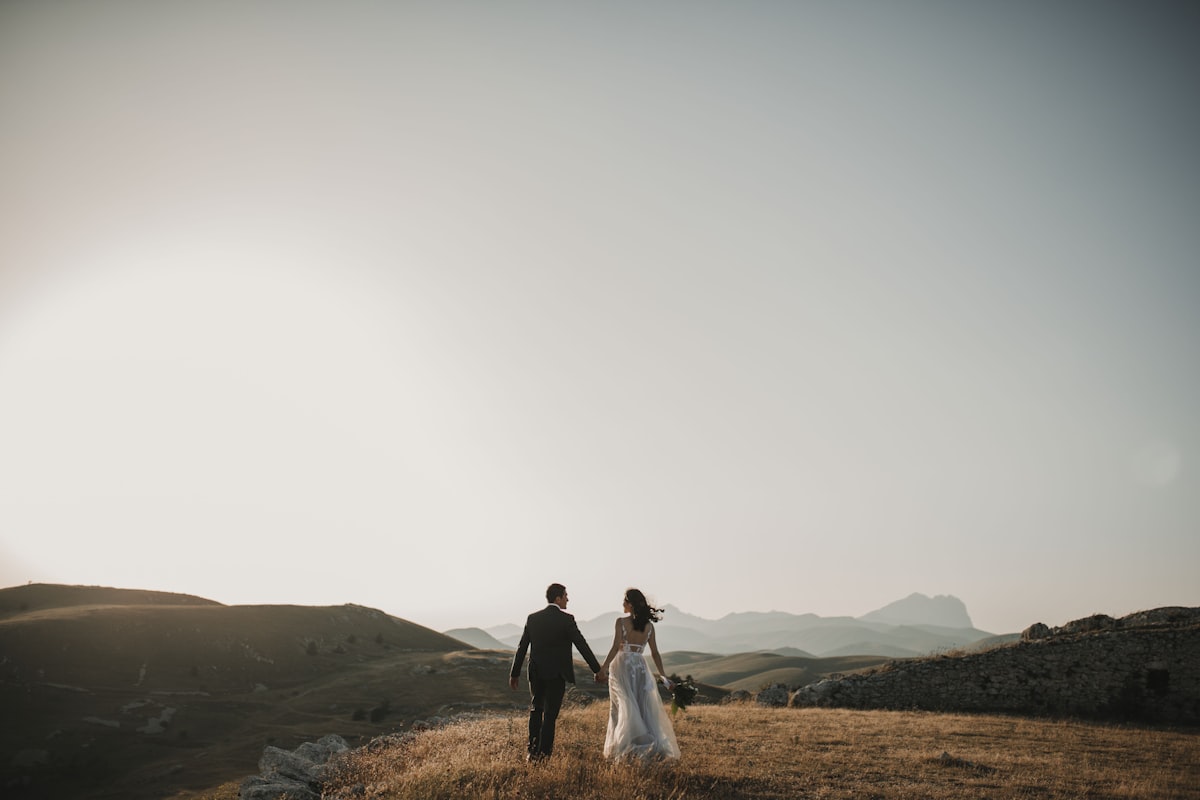
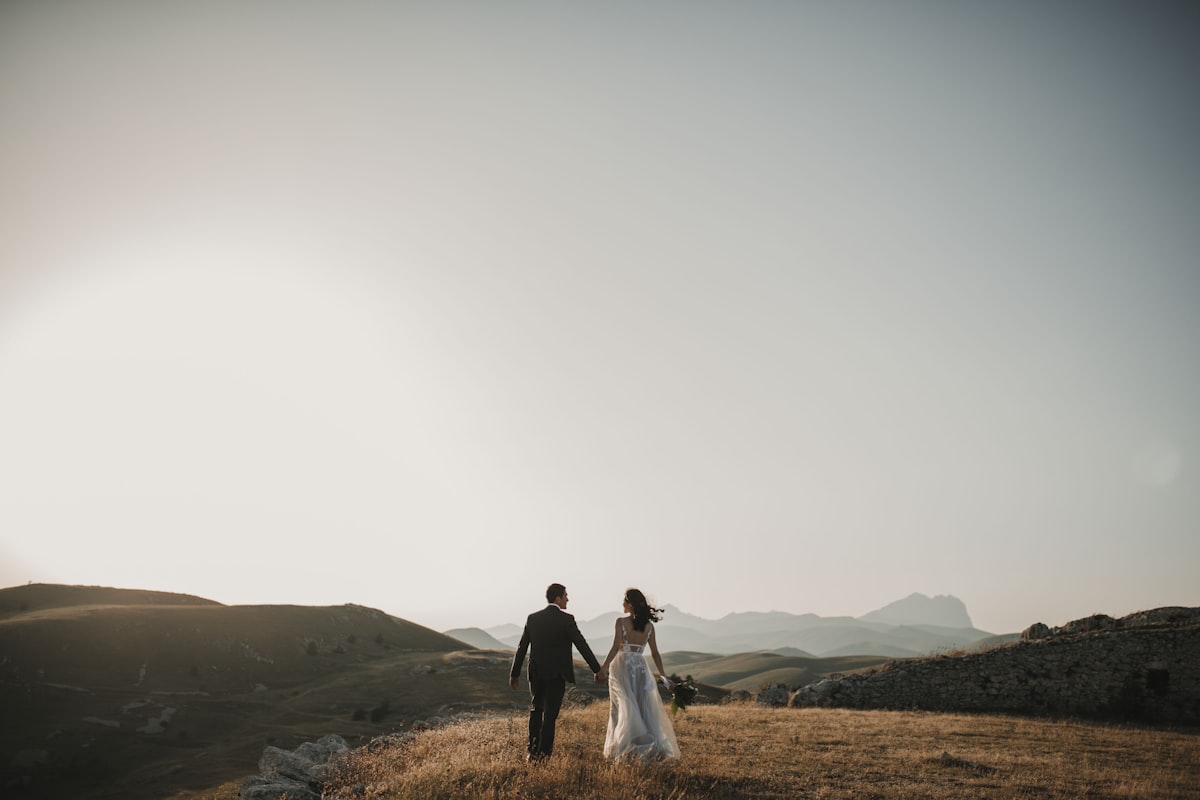
    In every wedding, the shared style between bride and groom sets the tone for the entire celebration. Yet many couples might overlook how important it is for the man to match his attire to the bride’s dress. Your suit is more than just clothing—it represents elegance and harmony on an important day. By carefully coordinating colors, fabrics, and accessories, you can create a unified look that highlights both the bride’s gown and your own sense of refinement. When it comes to achieving this flawless harmony, turning to Italian expertise can make all the difference.

    Understanding Color Palettes

    Choosing the right color palette is crucial for wedding suit coordination. Couples often plan a color scheme for the entire event, which may include floral arrangements, décor, and bridesmaid dresses. The groom’s suit should complement these choices while keeping the bride’s gown in focus. Whether the bride’s dress is ivory, blush, or an elaborate lace design, the trick is to find a balance that unifies rather than competes with her look.

    Color palettes for wedding suits often revolve around neutrals. Navy, charcoal, and light gray offer timeless options that complement a wide range of bridal gowns. If the bride’s dress has cool undertones, a darker shade of gray or navy is a safe bet. Warmer tones look great with lighter or mid-tone grays, sometimes even subtle browns for a more rustic feel. This is where wedding style do’s and don’ts come into play: keep the overall styling cohesive by choosing a hue that either echoes elements of the wedding décor or sets a cool contrast against the gown.

    If you are unsure about how to complement bride’s dress details—like a gold belt or sparkling beading—consider weaving those touches into your tie or pocket square. Even a small accent can go a long way when tying different outfit elements together. Consult formal wedding fashion references to verify how certain shades align with the bride’s look. ItalianSuits often advises picking the right suit color that highlights the dress rather than overshadowing it. Think about the special finishing touches, whether metallic or pastel, to maintain elegance in every detail.

    When thinking about bridal gown matching tips, it helps to look at swatches and even pose together before finalizing your choices. Testing an outfit next to the wedding dress offers a clearer vision of how the overall ensemble will photograph. This step is also a good time to join forces with a bride and groom style guide for more wedding fashion advice and to confirm you are sticking to the established color palette without any clashing tones.

    Above all, the man who desires elegance must pay attention to subtle nuances so that each detail, including accessories, harmonizes with the event theme. If the bride’s gown has intricate lace or unique color undertones, the groom’s suit can be coordinated to echo that theme, showcasing clear unity. With a well-planned color palette, your entire wedding day style planning remains stress-free and aligned with the broader celebration.

    Suit Styles for Different Dress Silhouettes

    Every bride has a preferred silhouette, ranging from classic ball gowns to modern mermaid cuts. These choices often give clues about which suit best complements her wedding dress inspiration. A timeless suit design exudes elegance, while a more contemporary cut might lean toward a fashionable appeal that resonates with modern wedding attire ideas.

    If the bride opts for an A-line silhouette, the groom’s suit can reflect a tailored but not overly slim fit. This balancing act ensures the groom looks sharp without outdoing the structured flow of the bride’s gown. For a sleek mermaid or trumpet dress, consider a slim-fit Italian suit, which highlights advanced tailoring techniques. If you prefer a slightly more relaxed shape, a classic cut might be the perfect approach for voluminous ball gowns or dresses with intricate details. ItalianSuits offers a wide range of styles that cater to these contrasts, ensuring that each man can discover the right blend of sophistication and comfort.

    When focusing on matching groom and bride attire, shape is just as critical as color. If the gown has lots of volume, a fitted suit will maintain proportion and direct attention where it should be. Conversely, more figure-hugging bridal cuts pair nicely with suits that feature gentle structure through the shoulders and waist. This approach helps avoid disproportionate silhouettes in photos and ensures both partners look equally stunning.

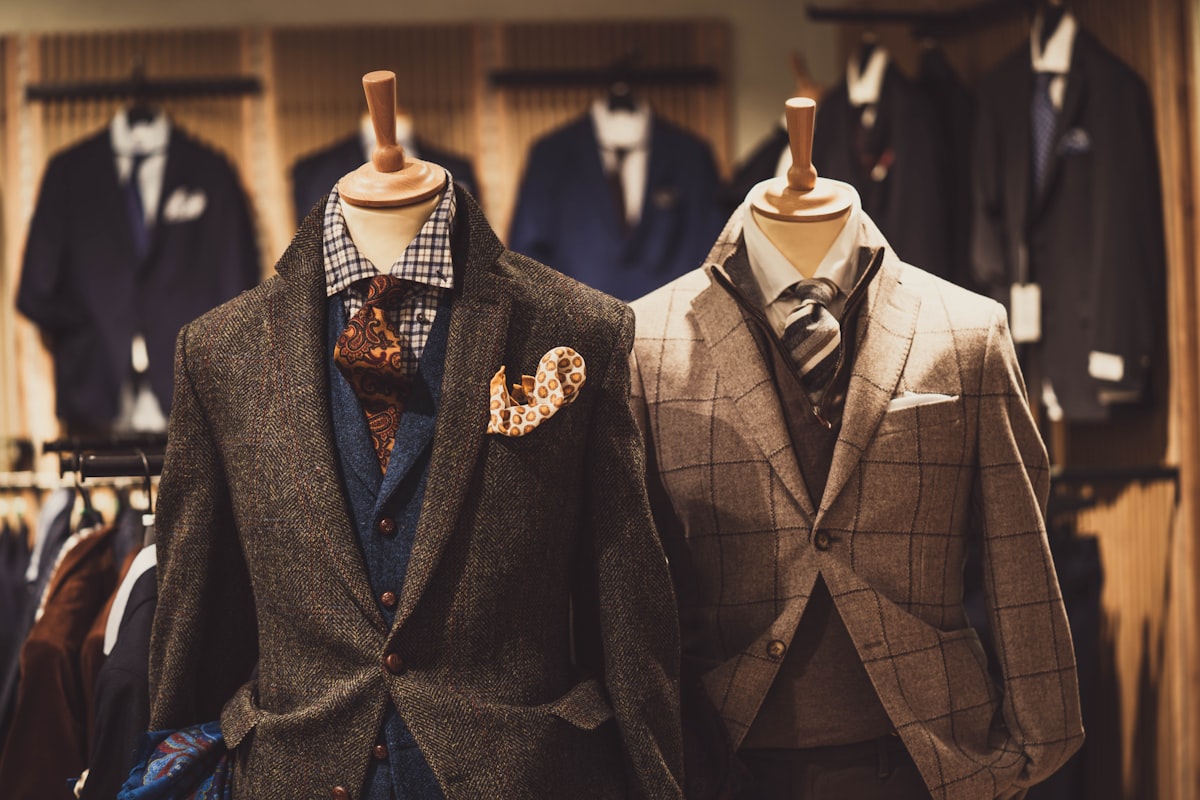
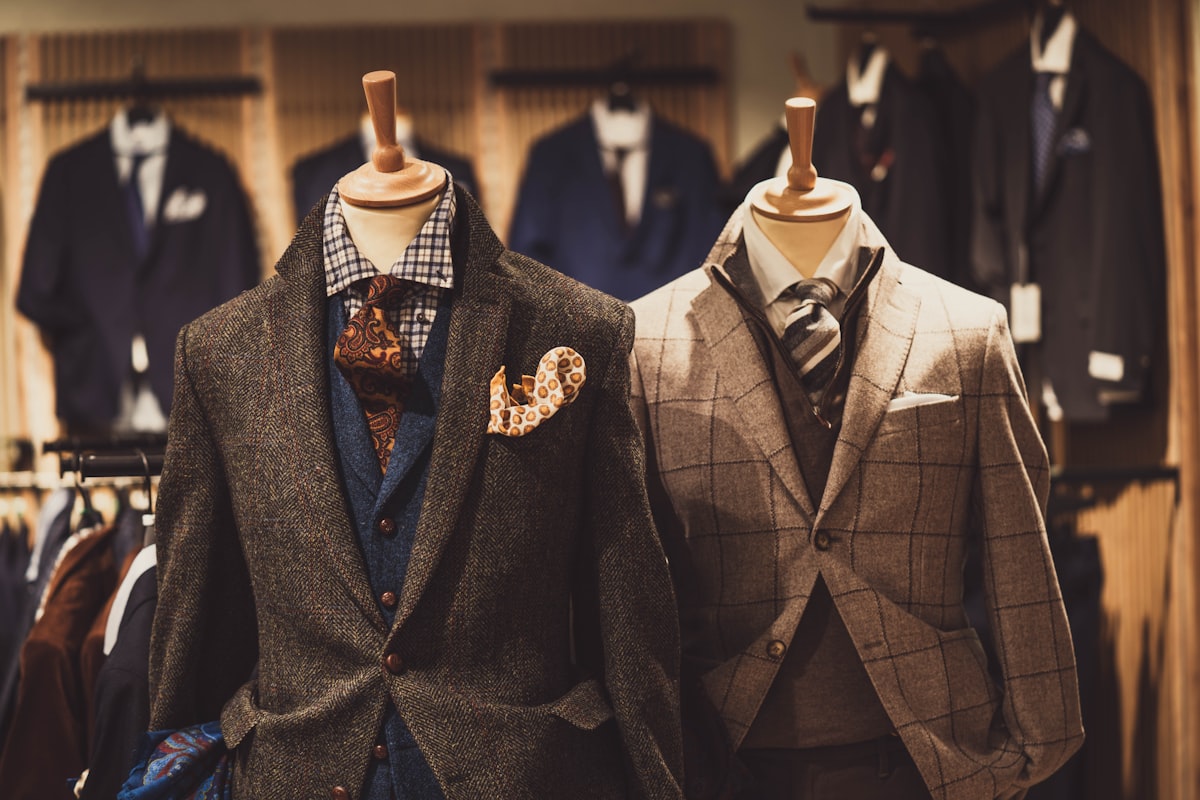
    Groom’s suit style trends suggest that men’s fashion for weddings can incorporate subtle patterns or textured fabrics, especially if the bride’s gown includes visible detailing like lace or embroidery. These patterns add dimension without overshadowing the main color scheme—maintaining the visual focus on the bride and groom as a unit. Ultimately, consider both your personal taste and the overall mood of the event. Whether it is black-tie, semi-formal, or beach casual, your suit should seamlessly blend with the bride’s aesthetic choices to reflect the day’s combined style.

    This alignment also informs wedding suit coordination across the broader bridal party. If the bride’s dress is glamorous, the groom’s outfit should share that level of polish. In short, while you are tailoring your suit, think about proportion, pattern, and the underlying wedding theme. Utilize best suit fabrics for weddings that complement the bride’s design and maintain maximum comfort. It not only ensures a unified visual but also highlights the power of Italian craftsmanship, a hallmark of elegance. When you bring these style elements together, both bride and groom can confidently stand out as a coordinated pair.

    Accessories That Tie It All Together

    Accessories are an essential part of achieving the polished look every wedding deserves. Your tie, pocket square, lapel pin, and even cufflinks can tie together colors from the bridal gown, bridesmaid dresses, or floral arrangements. This approach not only ensures matching groom and bride attire but also creates stunning photo opportunities that underscore how well the couple coordinates.

    When thinking about tips for cohesive wedding looks, consider small yet meaningful accents. If the bride has chosen a gown with subtle rose gold beading, the groom may select a tie or pocket square with a hint of similar metallic. These details can also echo the wedding’s broader color theme. Emphasize how your finishing touches reflect the entire day’s palette, from the ceremony’s floral arch to the reception’s table centerpieces. Doing so elevates the sense of unity and elegance in every aspect.

    If you are planning a formal wedding fashion theme, choose classic accessories that enhance your suit’s shape, rather than distract from it. Some men go for bow ties that complement the bride’s gown details, while others prefer a long tie in the same color family. Lapel pins or boutonnières are another way to stay visually connected to the bridal bouquet. Remember also to coordinate with bridesmaids: if they have matching flowers, incorporate consistent hues into your own accessories.

    With the demands of modern wedding attire ideas, you can add special flair. Think customized cufflinks with the wedding date or an elegant pocket watch for an old-world feel. In line with wedding fashion advice, it is vital to keep personal expression balanced with the event’s style. This is especially true if the bride’s dress is very ornate—pick one or two statement accessories rather than layering multiple pieces that could clash. The man who follows this approach ensures his overall look remains defined by sophistication.

    Finally, do not forget that accessories should be comfortable. Even the most stylish groom attire will appear awkward if tight ties or unwieldy lapel pieces make you adjust frequently throughout the day. By thoughtfully selecting well-made accessories that reflect both the bride’s gown and the event theme, you elevate your entire suit to new levels of elegance. ItalianSuits consistently underscores this crucial balance of function, comfort, and style.

    Fabric Considerations for Elegance and Comfort

    The fabric of your suit plays a large role in how it complements the bride’s dress, as well as how you feel throughout the wedding day. Heavier materials such as wool are excellent for cooler climates or more traditional ceremonies, while lighter fabrics—including linen blends—work well for outdoor or warm-weather events. Selecting the best suit fabrics for weddings ensures your outfit stands out with sophistication, yet never feels stifling.

    Many grooms choose exquisite Italian textiles for a fusion of quality and breathability. The soft drape of Italian suits reflects the bride’s gown details, enhancing the overall sense of elegance. If the bride’s dress is made of delicate silk, then a breathable, slightly lustrous wool suit can create a refined glow without clashing with her ensemble. For those wanting a truly luxurious look, consider silk-blend suits that mirror the bride’s subtle sheen and echo the shared sense of celebration.

    In certain regions or during high summer, a linen blend can be a winning choice. This is particularly true if you are hosting an outdoor ceremony, as men’s fashion for weddings in hot climates often relies on lighter, more breathable textiles. However, ensure that your linen suit retains some structure; this helps maintain a formal appearance next to the bride while letting you stay relaxed in warmer weather. Pairing the light, airy texture of linen with a breezy, flowing gown can result in a wedding day style planning success.

    If you are debating which materials work best for your situation, wedding fashion advice from professional tailors or stylists can guide you through the pros and cons. Some specialists even offer test swatches so you can visualize how the fabrics look beside the bride’s dress. Additionally, consider how weather conditions and venue atmosphere affect the choice. A heavier wool might not suit a sunny garden ceremony, while a breezy linen might not provide enough warmth for a crisp evening wedding. Either way, focusing on top-notch Italian craftsmanship meets your goals of comfort and elegance.

    Lastly, never overlook the synergy between the man’s attire and the bride’s gown. Luxurious fabrics, refined textures, and subtle finishing details showcase your shared commitment to style. Whether you select a richly woven wool or a polished linen blend, you elevate the overall experience of matching groom and bride attire. Pair that decision with the reliability of ItalianSuits, and you have a winning combination that defines modern refinement.

    Planning a Cohesive Bridal Party Look

    While you place most of your attention on coordinating with the bride’s dress, remember the broader context of the entire wedding party. Bridesmaids, groomsmen, and even the ring bearers carry elements of your chosen color scheme. Achieving true wedding suit coordination among these roles creates a seamless visual narrative from the ceremony to the reception.

    One approach is to use a uniform color for groomsmen suits but tweak accessories to mirror each bridesmaid’s bouquet or dress shade. This unity appears cohesive while granting small distinctions that add visual interest. When the bride’s gown stands out, the groom’s suit must also distinguish him from the rest of the men. A subtle contrast, such as a different tie color or a special lapel pin, allows the groom to align with the wedding theme while highlighting his role.

    Coordination with bridesmaids is vital if you are aiming for uniform photos. The bride and groom style guide might suggest color swatches or accent pieces that connect across every outfit. By paying attention to these smaller details—ties for the men, sashes or flowers for the women—you bring each element together under one overarching vision. Do keep your overall palette balanced, so no single color or pattern overshadows the couple.

    Groomsmen can also benefit from picking the right suit color that ties neatly back to the groom’s outfit. No matter what style you choose, this synergy should reinforce how to complement bride’s dress choices. Even the smallest accent color can resonate from the bridesmaids’ dresses right down to the groom’s pocket square. This approach helps produce pictures that look both unified and festive.

    Whether you do a large wedding or a more intimate gathering, planning the attire for everyone ahead of time allows you to avoid last-minute issues. By taking wedding style do’s and don’ts into account, you ensure a consistent level of formality. A cohesive look also underscores the importance of the man placing elegance at the forefront, demonstrating that each participant has a role in reflecting the bride and groom’s combined style. ItalianSuits frequently highlights how careful planning can save stress later and showcase each individual’s best qualities.

    Final Fitting and Wedding Day Coordination

    Fittings can sometimes be overlooked, but they are crucial to your day-of appearance. Schedule one or two final suit fittings in line with the bride’s last dress alterations. This ensures that if the bride decides on any last-minute design changes—like adding a flashy belt or altering the hem length—you have time to adjust your attire or accessories accordingly. The synergy remains consistent, preventing any mismatch in color or style.

    Before the big day, plan out wedding day style planning logistics such as how your suit will be transported, especially if you are traveling. Wrinkles can ruin the crisp silhouette of an ItalianSuits garment, so invest in a quality garment bag and observe proper packing protocols. If your wedding is a destination event, double-check the weather forecast, local ironing services, and the best way to keep your outfit pristine. A sometimes-overlooked tip is to give yourself extra time on the morning of the wedding to inspect your suit for any minor wrinkles or spots.

    When the big moment arrives, all that planning translates to confidence. This is when you see the benefits of formal wedding fashion or modern wedding attire ideas, fully realized. Each accessory is in place, and each color accent aligns with the bride’s gown. If you are uncertain about any small detail, ask a trusted friend or family member to check your tie, lapel pin, and pocket square. This prevents any last-minute oversights that could distract you from truly enjoying the moment.

    Checking in on your groomsmen and bridesmaids is equally vital. If everyone else’s outfits also align with the main scheme, the overall effect is a memorable, coordinated ceremony. The man who ensures seamless wedding suit coordination between the bride, himself, and the entire party demonstrates not only respect for his partner’s effort but also a commitment to elegance in every aspect. Collectively, these small touches will be remembered as highlights in your wedding photos for years to come.

    Finally, remember that your wedding is a celebration of both partnership and style. ItalianSuits stands ready to help you navigate any complex fitting schedules or minor outfit adjustments. By focusing on harmony, you and your bride will turn every head, showcasing the perfect union of gown and suit.

    Conclusion

    Coordinating the groom’s suit with the bride’s dress goes beyond matching colors. It involves planning the entire palette, selecting complementary fabrics, and choosing accessories that bring all elements together. From understanding color palettes for wedding suits to focusing on subtle design features that echo the bride’s gown, each detail contributes to a refined look. Incorporating a bride and groom style guide in your approach to wedding fashion advice ensures no part of your attire feels rushed or mismatched.

    Balance, synergy, and elegance remain at the heart of a well-coordinated wedding. When a man chooses an Italian suit, invests in high-quality fabrics, and pays attention to final fittings, the result is an outfit that not only coordinates perfectly with the bride’s dress but also stands out for its impeccable craftsmanship. Thanks to the expertise of ItalianSuits, achieving a cohesive wedding style becomes more attainable than ever. Whether your event is formal or leans toward modern wedding attire ideas, these steps help you shine.

    Ready to elevate your look? Book a consultation with ItalianSuits and discover how to meld style, comfort, and tradition for your big day. A perfectly aligned wedding ensemble awaits—transforming both your suit and the overall celebration into a unique expression of love, sophistication, and timeless appeal.

  • How to Choose the Right Skis for All Snow Conditions

    How to Choose the Right Skis for All Snow Conditions

    Introduction

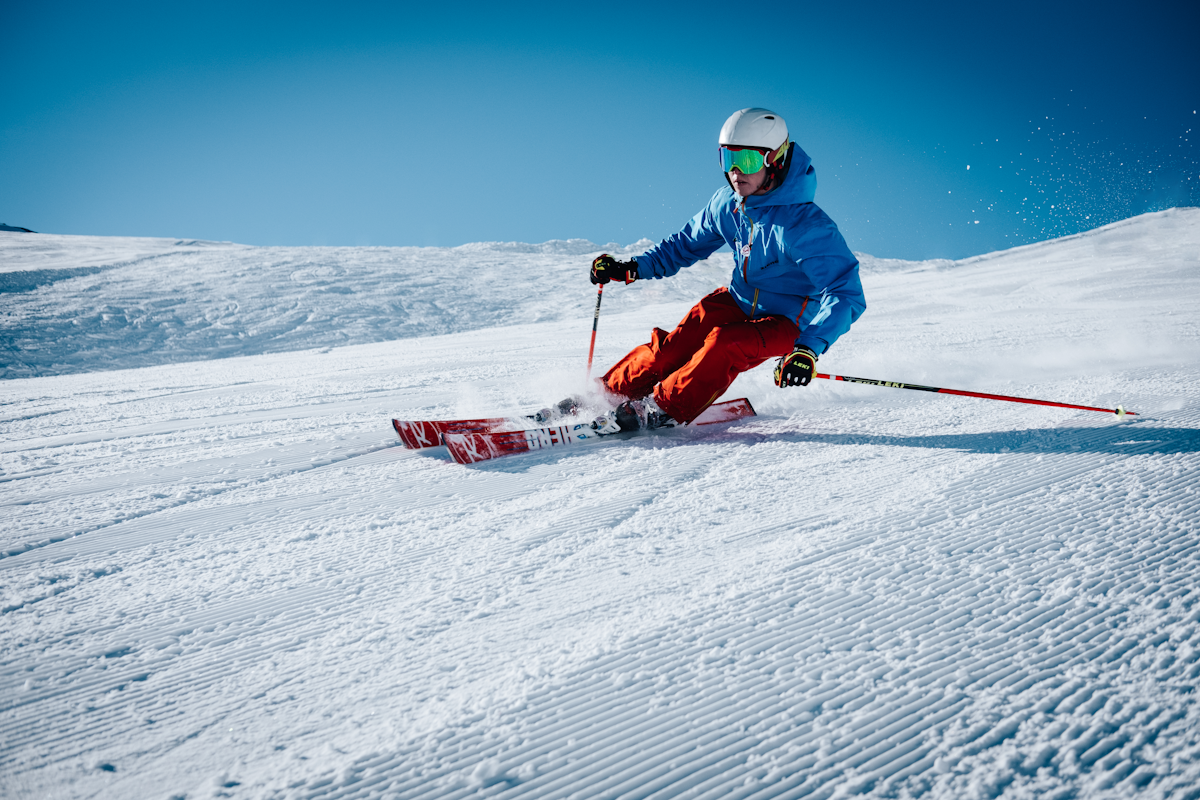
    Choosing the perfect ski materiel can transform your experiences on the slopes. When you pick the right gear, whether it is winter sports gear or more specialized Salomon skis, you elevate both your performance and fun. Beginners and experts alike often wonder if the snow condition should affect their choice. The short answer is yes! Different French Alps snow conditions call for different approaches to skis, shoes, helmet, and overall Salomon ski equipment. By matching your ski materiel to powder, slush, crust, or any other surface, you can optimize balance and reduce the risk of injury.

    Salomon has a long heritage of innovation, from ski shoes to modern Salomon boots, and the Salomon brand has always aimed to guide athletes toward better technique and comfort. In this post, we will show you how to “choose the right skis” for all kinds of French Alps snow conditions. We will explore how Salomon gear, such as Salomon snow gear and a proper ski helmet, is designed to accommodate changing terrain. Through tips on fitting, technique, and care, you can discover the best practices to keep your Salomon brand setup in top shape. Fasten those ski shoes, secure that ski helmet, and let’s get ready to find the perfect materiel for your next winter sports gear adventure.

    Time and again, people ask for a “beginner ski buying guide” or “Salomon ski reviews” to decide what to purchase before heading to the mountains. The Salomon brand stands out for reliability, and our Salomon gear catalog includes Salomon boots and other essentials designed for every level. Whether you crave the thrill of off-piste skiing tips on fresh powder or prefer a stable approach on icy surfaces, the correct Salomon skis will keep you confident from the first run to the last. Our goal is to help you blend technique, safety, and performance so that you can always count on Salomon snow gear for your best skiing moments.

    Understanding Snow Types

    Before you can choose the right ski materiel, it helps to understand the variety of French Alps snow conditions you might encounter. Powder is a favorite among many enthusiasts because it offers a soft cushion that feels almost weightless. To really make the most of deep snow, you need winter sports gear that floats well, and Salomon snow gear provides excellent width and rocker design for that. When people look for the “best skis for powder,” they often gravitate toward Salomon skis that feature a generous waist width and a flexible tail. These characteristics help you stay afloat and maneuver with minimal effort.

    Packed powder is typically easier for beginners to handle, but it still requires well-chosen Salomon ski equipment for stability. Firm surfaces often come after heavy traffic or mild weather, so it is wise to pick Salomon skis with balanced camber for added grip. You also want to consider the role of shoes and helmet in stabilizing your center of gravity. As your skill improves, you might find yourself in variable conditions, like crust or slush. Both demand quick adaptation and the correct Salomon gear, including Salomon boots with supportive ankles. Even a ski helmet designed for airflow can make a difference on warmer days.

    Hardpack and icy conditions pose a different challenge. Knowing how to pick skis for icy conditions is crucial if you plan to roam widely through the French Alps. Skis with sharper edges and stiffer cores from the Salomon brand can keep you from slipping. In these conditions, your ski materiel must also include well-fitting ski shoes that secure your feet adequately. Combined with a snug ski helmet, you have a better chance of handling sudden slides. Always do a quick ski equipment comparison to ensure you have the right waist width and stiffness for each surface type.

    At the same time, advanced skiers looking for off-piste skiing tips often prefer specialized Salomon skis. Off-piste areas include untracked powder or mixed snow, so your winter sports gear must adapt to unknown terrain. The Salomon boots you wear must offer both flexibility and protection. In these areas, a high-quality helmet is mandatory, as natural obstacles and variable crust require extra caution. Hence, checking French Alps snow conditions before heading out helps you match your Salomon snow gear to the demands of each day.

    Key Features of Skis for Different Conditions

    When diving into an “all-mountain skis for French Alps” approach, it’s important to consider waist width, flex, and shape. If you aim for powder stashes, a wider waist helps you float easier. For hardpack days, especially in colder climates, narrower Salomon skis with a steeper sidecut can give you the critical edge hold you need. Weight is another key factor in Salomon ski equipment: lighter skis can be advantageous if you plan to switch between groomed runs and fresh snow. Meanwhile, a slightly heavier setup can bring stability when charging through mixed conditions.

    Flex and stiffness are vital because they dictate how your ski responds to pressure. Softer flex usually allows easier turn initiation, making it ideal for beginners or those seeking playful runs. Stiffer flex is beneficial for advanced performance, so if you want to push your limits, look for Salomon brand skis that match that profile. Year after year, Salomon gear evolves to meet diverse needs. Even Salomon boots come in versions with different flex indices, reflecting how much support they provide your ankles and calves.

    Don’t forget the rocker and camber profiles. Camber provides grip on hard snow, while rocker lifts the tip in softer conditions. For skiers who need to cover everything from groomed runs to powder, a hybrid profile is appealing. Salomon snow gear includes designs that balance both, ensuring you can pivot smoothly in tight spaces yet glide effortlessly on deeper snow. As you study Salomon ski reviews, note whether the skis have early rise tips. These can keep you from nosediving in fresh powder, especially if you are exploring “touring skis for varied terrain.” A well-rounded approach to all these elements—width, shape, flex, and rocker—makes it easier to pick the perfect winter sports gear for your daily adventures on the mountain.

    Finally, always keep your safety ensemble up to date. Along with your ski materiel, a high-quality Salomon helmet is non-negotiable. When your ski helmet fits correctly, combined with supportive Salomon boots and well-fitted ski shoes, you reduce strain on your joints and safeguard your head from unexpected impacts. The complete package of Salomon skis, Salomon snow gear, and a reliable Salomon brand reputation will guide you toward success on the slopes, no matter how variable the conditions may be.

    Matching Skis to Your Style and Skill Level

    One of the most common questions from newcomers is how to fine-tune their ski materiel to their skill level. If you are just starting out, you may be searching for a “beginner ski buying guide” that keeps you upright, stable, and confident. Softer Salomon skis might be best at this stage, along with Salomon boots and Salomon gear optimized for forgiving turns. The Salomon brand often labels products to indicate whether they suit new skiers, intermediates, or advanced riders. This transparency simplifies the selection process and clarifies how each piece fits within your winter sports gear ensemble.

    Intermediate skiers who want to explore varied French Alps snow conditions might look for an all-mountain design. Salomon skis in this category typically adapt to everything from groomed runs to small pockets of powder. With moderate flex and balanced waist widths, they deliver a stable feel without limiting your progress. By wearing ski shoes that don’t constrain your foot movement and by using a sturdy ski helmet, you gain the freedom to shift between terrains without feeling off balance. Checking out “Salomon ski reviews” can direct you to models praised for versatility.

    Advanced skiers typically crave the thrill of high speeds, challenging moguls, or the occasional off-piste line. In that case, you might consider specialized Salomon snow gear with extra stiffness and robust construction. This design approach channels energy directly into your turns, enabling precise control. Higher-level skiers also tend to value gear like Salomon boots that offer a secure heel hold. Remember that your entire Salomon ski equipment setup—Salomon skis, ski shoes, helmet, and more—must be precisely fitted, especially if you plan to “optimize ski stance for different conditions.” Prioritizing appropriate materiel means a safer, more confident ride when the terrain becomes unpredictable.

    Skill level also dictates how much you customize your gear. Some advanced skiers venture into freeride domains and need “off-piste skiing tips” or seek deeper coverage of powder performance. Meanwhile, if you specialize in backcountry routes, “touring skis for varied terrain” become appealing. Whether your focus is high-speed carving, playful freestyle moves, or gentle cruising with the family, ensuring your Salomon brand kit aligns with your ambitions is key. By choosing the right Salomon ski equipment, paired with your best-fitting ski shoes and ski helmet, you can keep evolving your technique in a comfortable and safe manner.

    Expert Tips for the Perfect Fit

    Fitting your materiel is more than guessing the right size. It’s about tailoring each element—Salomon boots, ski shoes, ski helmet—to your specific body shape and ability. In shops that carry Salomon gear, you can get professionally measured to ensure the correct length, flex, and footbed support. Head shape is just as vital. A well-chosen Salomon helmet should not feel loose, and the straps need to remain snug without pinching. The Salomon brand invests in advanced technology to accommodate different head sizes, helping you maintain focus on the slopes, not on adjusting your gear.

    When you choose “how to pick skis for icy conditions,” your binding placement might also change. Experts might suggest mounting bindings a bit rearward for additional stability in the tail. As you refine your stance, pay attention to what is happening with your ski shoes. Tightening Salomon boots in the right spots can enhance energy transfer. If you find any pressure points, it’s time to reevaluate the sizing or test other models in the Salomon ski equipment line. With the variety of footwear designs from the Salomon brand, you can definitely find a match that offers comfort and performance.

    Meanwhile, your winter sports gear approach can evolve: you might start needing different Salomon skis for specific environments. For instance, your “all-mountain skis for French Alps” might be perfect for moderate conditions, but you might require something else for steep, icy chutes. Test your fit at home by clicking into your bindings indoors, wearing your gear as you would on the slopes. Wiggle your toes in your ski shoes and do a few flexes. This ensures you are prepared for the real runs outside.

    All these steps help you “choose the right skis” more accurately. Whether you are a newcomer or a seasoned pro, the Salomon brand is designed around personalization. They make gear that suits every foot shape and skill level, from creative freestyle types to methodical carvers. By ensuring the correct Salomon helmet, Salomon boots, and Salomon skis, you will be well on your way to an ideal stance that adapts to variable French Alps snow conditions.

    Additional Gear Considerations

    Although skis are central to your winter sports gear, the right helmet and shoes can be equally significant. A truly holistic approach to your Salomon ski equipment includes comfortable Salomon boots, properly fitted because stable ankles mean more precise turns. Equally crucial is a protective Salomon helmet. If you “optimize ski stance for different conditions,” you are likely carving, turning, and sometimes falling, so a ski helmet can help safeguard your head on unexpected spills. Remember to check the helmet’s ventilation options. Cold mornings might warrant closed vents, while warmer afternoons call for more airflow.

    When you are planning to roam the resorts of the French Alps, layering is key. Conditions can shift rapidly, from breezy peaks to mild valleys. Start with a moisture-wicking base layer, add an insulating mid-layer, and top it off with a waterproof shell. Don’t overlook the small details, like gloves and goggles. A consistent piece of advice in any “ski gear for French winters” guide is to reduce exposure to cold air. Good grooming can make your day much more enjoyable.

    On stormy powder days, certain Salomon snow gear extras really shine. Retractable helmets or adjustable goggles can handle varying weather. Slackcountry or off-piste enthusiasts may pack a small backpack with avalanche safety tools. Even if you do not ride extreme terrain, being prepared fosters confidence. Many Salomon brand items are designed to integrate seamlessly, so your helmet strap, goggle fit, and jacket hood all line up. This ultimate synergy in Salomon gear ensures no detail is neglected while you focus on the thrill of the descent.

    For true multi-terrain adaptability, your Salomon skis complement reliable Salomon boots and the correct ski shoes. Look for gear that balances comfort with high performance. If you are uncertain, a “ski equipment comparison” can show how different Salomon models match specific conditions. By thoughtfully completing your kit with winter sports gear all from the Salomon brand, you gain a cohesive setup. This synergy can translate to better overall stability and more fun when you tackle fresh powder, icy patches, and everything in between.

    Maintenance and Care

    Learning proper ski maintenance at home can extend the life of your Salomon skis and keep them responsive. Frequent waxing is crucial, especially if you tackle different French Alps snow conditions in a single season. If you plan to “choose the right skis” for powder on one trip and then encounter crust the next, keep your bases in top shape with routine wax applications. Many winter sports gear enthusiasts maintain a small kit with irons, scrapers, and specialized wax. Salomon ski equipment often recommends specific wax formulas for various temperatures.

    Edge maintenance is also key. If you want to know “how to pick skis for icy conditions,” realize that sharper edges can bite into hard surfaces more easily, preventing skidding. Evaluate your edges for dull spots or burrs before you head out. By smoothing them with a file, you can improve your hold and remain confident in your Salomon boots as you shift your weight from side to side. When you combine polished edges with supportive ski shoes, you refine your performance.

    Storage is another factor. Dry your Salomon snow gear carefully after each day. Moisture trapped in your ski shoes or your helmet can lead to unpleasant odors or even degrade linings. Wait until everything is fully dry before placing them in a cool, dry spot. Caring for your Salomon boots by wiping off dirt or salt residue helps preserve the materials. The Salomon brand designs its gear to handle harsh elements, but regular upkeep ensures your set stays durable. A thoughtful approach to “proper ski maintenance at home” goes a long way in making every day on the mountain enjoyable.

    Finally, do not skip professional evaluations at least once a season. A trained technician can offer a deeper “ski equipment comparison,” giving you feedback on your gear’s condition. They might spot issues you missed, like hairline cracks or misaligned bindings. This is especially helpful if you are using specialized winter sports gear such as “touring skis for varied terrain.” Even a quick check of your ski helmet can highlight if the foam or straps have worn out. By investing in maintenance, you ensure your Salomon skis and Salomon boots last longer, staying ready for every adventure.

    Conclusion

    Matching your ski materiel to various French Alps snow conditions transforms each run into an exhilarating experience. Whether you’re carving down hardpack or gliding through fresh powder, a thoughtful blend of Salomon skis, Salomon boots, ski shoes, and a reliable helmet offers both confidence and safety. The Salomon brand stands out for making winter sports gear that excels in different conditions, giving you an edge while you refine your technique.

    Take the time to research Salomon ski reviews, weigh the pros and cons with a thorough ski equipment comparison, and choose the right skis that align with your ability level. From all-mountain skis for French Alps terrains to advanced setups for off-piste skiing tips, Salomon snow gear has a solution for everyone. Maintain your gear regularly, store it properly, and don’t forget the significance of a properly fitted ski helmet for each adventure. If you’re ever unsure, stop by an authorized Salomon gear specialist who can guide you with any lingering questions.

    Now that you’ve learned the importance of aligning Salomon ski equipment with different snow conditions, why not take the next step and explore the Salomon brand collection? Visit our website or your local retailer, test out our winter sports gear, and share your success stories with fellow skiing fans. We wish you unforgettable descents, whether you’re discovering perfect powder or mastering icy slopes. Have fun, stay safe, and enjoy every moment on the mountain.

  • How to Choose the Right French Hiking Footwear

    How to Choose the Right French Hiking Footwear

    Introduction

    France offers an incredible range of landscapes for outdoor enthusiasts. From the sandy coastal paths along the Atlantic or Mediterranean seas to the dense forests in the heart of the countryside and the steep mountain passes in the Alps, each environment comes with its own unique challenges. That is why selecting the right footwear is essential for a successful and comfortable hiking experience. When looking for suitable hiking shoes, it is important to consider not just your style preferences but also the demands of each specific terrain. You need Salomon hiking footwear designed to withstand rocky trails, wet forest paths, or sandy beaches while offering you the best support possible.

    In this guide, we will discuss how to choose hiking footwear for France by focusing on different French terrains. You will learn about the elements that make up high-quality Salomon shoes, such as grip, durability, breathability, and ankle support. We will also explain the importance of other gear, including hiking clothing, to create a holistic outdoor wardrobe that is safe, comfortable, and designed for adventure. By aligning with the Salomon brand, you can explore these stunning landscapes with confidence and style. Whether you decide on lightweight footwear for summer walks or waterproof hiking shoes for unpredictable weather, an understanding of terrain-specific features will help you make an informed decision.

    From the breezy coastal routes by the Côte d’Azur to the snow-capped peaks of the Alps, this article will cover key factors for picking Salomon clothing and shoes that support your feet in any environment. We will also discuss the synergy between hiking clothing, footwear, and accessories like hiking water bottles, ensuring you have all you need to conquer each trail. By the end, you will understand exactly how your hiking shoes should fit, feel, and perform, allowing you to stay comfortable on every step of your journey. Let us now explore the reasons footwear choice truly matters among these varied French terrains.

    Why Footwear Matters for Different French Terrains

    The diversity of French landscapes calls for specific features in Salomon hiking footwear. Coastal trails often include patches of sand and rock where traction is crucial. Forests can be wet or muddy, requiring waterproof hiking shoes with good grip. Alpine environments demand durable soles for rocky paths and enhanced foot support for long-distance hikes. Choosing the correct Salomon shoes will not only help you conquer each terrain but also protect you from common hiking injuries such as twisted ankles and blisters.

    Understanding how to choose hiking footwear for France involves paying close attention to traction, cushioning, and stability. Slipping on loose gravel or feeling discomfort during long treks can drain the fun from your outdoor excursion. Foot injuries or strain can also ruin an otherwise perfect trip. By selecting the right hiking shoes, you ensure that your feet stay secure, giving you the freedom to enjoy breathtaking ocean views, lush forest canopies, or stunning alpine peaks. Proper Salomon clothing, combined with suitable footwear for rocky mountain trails, further helps maintain comfort by preventing chafing or overheating, especially when dealing with varying temperatures.

    In the end, investing in high-quality Salomon brand footwear and hiking clothing is critical if you want to experience each region of France without discomfort. From the best hiking shoes for the French Alps to coastal trail hiking shoes, you will discover that each pair of Salomon shoes excels in its specialized environment. Remember that your feet are your foundation in the great outdoors, and equipping them correctly not only keeps them safe but also enhances your connection to nature.

    Key Factors to Consider When Choosing Your Footwear

    Before diving into specific terrain recommendations, it is important to understand the general features that define good hiking shoes for all environments. Here are the main elements to evaluate when selecting Salomon hiking footwear for any part of France:

    1. Fit and Sizing
    A proper fit can make or break your hike. Pay attention to shoe sizing for multi-day hikes, ensuring you have enough space for toes to wiggle but not so much that your foot slides inside. You can further perfect your fit by wearing comfortable hiking socks and shoe pairing that offer extra cushioning and moisture control. Testing your footwear thoroughly before a major trip is always helpful.

    2. Weight and Materials
    Lightweight hiking footwear for summer is great for hot climates along French coastal regions. Meanwhile, when hiking in cooler or damp areas, you might prefer sturdier materials. Breathable hiking shoes for hot climates are essential if you plan to hike during the warmer months. On the flip side, waterproof hiking shoes are vital for facing rain or crossing wet ground. The Salomon brand provides footwear that covers a wide range of materials suited to any condition.

    3. Ankle Support vs. Freedom of Movement
    High-ankle vs low-ankle hiking boots is an ongoing debate among outdoor enthusiasts. High-ankle boots offer extra stability on uneven surfaces like mountain trails, while low-ankle shoes can be lighter and allow more freedom of movement. Your choice should reflect your confidence in navigating tricky slopes and your personal preference for feeling secure or unrestrained as you hike. Alpine trail-ready hiking boots typically have robust ankle support, which is helpful when tackling steep ascents or descents.

    4. Weather Resistance
    If you know you will be trekking through damp forests or mountainous areas with sudden weather changes, look for Salomon shoes with waterproof membranes. Waterproof hiking shoes not only protect your feet from moisture but also help keep them warm in cooler conditions. However, if you are exploring a hot coastal trail, you may want more breathable materials to avoid uncomfortable sweating. Selecting Salomon clothing that complements your chosen footwear can also help manage body temperature effectively.

    5. Traction and Grip
    France’s variety of rocky, muddy, and sandy surfaces demands a strong outsole that can handle each type of terrain. Footwear for rocky mountain trails should have lugs that grip well and resist slipping. Coastal paths with shifting sand benefit from a well-balanced tread that can handle both loose and firm ground. The Salomon brand makes it simple to find suitable soles for each adventure.

    Footwear Recommendations for Specific French Terrains

    Different landscapes demand different types of Salomon hiking footwear. Below, we look at the best approach for each main type of terrain found throughout France.

    Coastal Trails

    Coastal routes along the Atlantic or Mediterranean coast are often warm, with stretches of sand, stone, and possibly some wet areas near the shore. Breathable hiking shoes for hot climates are an excellent choice here because they keep your feet comfortable in high temperatures. You also want traction that can perform on loose sand while offering stability on compact sections of trail. Low-ankle options can be suitable if the trail conditions are relatively even. Coastal trail hiking shoes may be lighter in design, with more breathable fabrics to handle salt and humidity.

    Remember, you should pair these shoes with Salomon clothing that focuses on warm weather comfort, including light shirts and shorts, or thin hiking pants if you prefer extra coverage. Hiking water bottles become crucial because coastal hikes can be quite hot, and staying hydrated is key to enjoying the shoreline scenery. By making the most of Salomon brand footwear for these conditions, you can walk for hours and take in all that the French beaches have to offer.

    Forest Trails

    In the lush woodlands of France, humidity and damp ground are common. Forest trail footwear recommendations often include some level of waterproofing. Waterproof hiking shoes safeguard you against puddles, wet leaves, and occasional rainfall. Adequate traction is also necessary to handle slick surfaces where mud and decomposing foliage can lead to slips. Insects may also be a nuisance, so you might prefer hiking clothing with longer sleeves or pants that match your footwear’s coverage.

    When picking Salomon shoes for the forest, consider how snugly they fit around your ankles to keep debris and insects out. High-ankle boots are an option if you feel the area could be muddy or if you need extra stability. Since forests can get warm and muggy, lightweight materials that remain breathable are also beneficial. Tips for picking Salomon shoes in different terrains usually highlight combining good ventilation with moderate waterproofing for forests. Also, do not ignore your backpack essentials: keep hiking water bottles close by, along with any gear you need for a safe, pleasant experience in the woods.

    Alpine and High Mountain Trails

    The French Alps and the Pyrenees present some of the most challenging yet rewarding terrains in the country. These areas feature rocky paths, significant altitude changes, and sudden shifts in weather. Alpine trail-ready hiking boots typically emphasize strong ankle support, a robust outsole, and possibly an insulated or waterproof interior for colder conditions. The best hiking shoes for the French Alps generally include thicker soles for extra protection and traction, allowing you to manage steep ascents and descents with confidence.

    If you are planning to tackle snowy or icy paths, choose Salomon hiking footwear that has advanced grip technology and keeps your feet warm. Footwear for rocky mountain trails should ensure that sharp stones or rugged ground do not hurt your feet or ankles. High-ankle vs low-ankle hiking boots might be a consideration here, but many seasoned hikers prefer boots that shield their ankles thoroughly in potentially dangerous conditions. When you are headed for snow, combine these boots with appropriate Salomon clothing layers that hold in warmth, so you can stay comfortable during cooler alpine temperatures.

    Do not forget your hiking water bottles on alpine journeys, as elevation gain and thinner air can dehydrate you faster than you might expect. Foot support for long-distance hikes in the Alps is another factor—your choice of footwear should help maintain stability and cushion during multi-hour excursions. If you are wandering in mild summer weather, you may still want waterproof hiking shoes given how unpredictable mountain conditions can get. Comfort, warmth, and overall foot security define a successful alpine hiking experience, and that is where Salomon brand can excel.

    Proper Hydration and Accessory Integration

    Apart from having the perfect pair of Salomon shoes, you will want to pay attention to other parts of your hiking kit. Your footwear works best when it is accompanied by suitable hiking clothing, accessories, and hydration strategies. Hiking water bottles are among the most important items to bring, especially during hot summer hikes in coastal regions or intense alpine treks where you lose fluids quickly.

    Also, wearing Salomon clothing that matches the climate ensures that you stay at a comfortable temperature. Layering systems involving moisture-wicking base layers, an insulating mid-layer, and a protective outer layer let you adapt to changing weather. When your footwear and clothing are in harmony, your entire hiking experience improves. For instance, comfortable hiking socks and shoe pairing reduce the risk of blisters and keep your feet dry. This synergy allows you to invest your energy in exploring rather than fussing over gear problems.

    Finally, consider if you need other add-ons, such as gaiters for snowy or muddy trails. These can prevent water, rocks, or dirt from getting inside your Salomon hiking footwear while protecting the lower parts of your legs. By combining all these factors, you are far more likely to have an excellent excursion in France’s diverse outdoor settings. After all, one of the biggest joys of hiking is enjoying nature, and the right gear ensures you do so without discomfort or worry.

    Maintenance and Care Tips

    Once you invest in high-quality Salomon shoes or boots, maintaining them well will keep them performing for years. Proper care of your Salomon hiking footwear makes sense economically and ensures your gear is always ready for the next trip. Here are a few tips:

    1. Regular Cleaning
    After any hike, especially across muddy or wet terrain, wipe off dirt and debris. You can use a soft brush to remove dried mud from treads. This step is crucial for coastal trail hiking shoes where sand or salt might linger. Rinse the shoes if necessary, but ensure you follow the manufacturer’s instructions for best results. Clean footwear will maintain traction and extend their lifespan.

    2. Drying Carefully
    Avoid putting your Salomon shoes right next to a heat source. Let them air dry in a well-ventilated area. Stuff them with newspaper if they are especially soaked to help absorb moisture. Waterproof hiking shoes may need extra time, since the interiors can retain water if they get drenched.

    3. Conditioning and Waterproofing
    For any leather or mixed-material boots, consider using a conditioner or re-waterproofing product periodically, especially after long treks. Even if your footwear came waterproof out of the box, a top-up application helps preserve the water-repellent qualities and elasticity of the materials.

    4. Inspecting and Replacing
    Pay attention to the condition of your soles, laces, and in-soles. If the grip or cushioning has worn away, it might be time for a new pair of Salomon hiking footwear, or at least a replacement insole. Regular checks will prevent unpleasant surprises on the trail, such as a broken lace or reduced traction.

    Conclusion

    Choosing the right hiking shoes matters because France’s varied landscapes demand gear that can handle each terrain’s unique characteristics. Salomon hiking footwear allows you to pick specialized features like waterproofing, superior grip, or strong ankle support, matching the demands of alpine hillsides, dense forests, or coastal pathways. Equally, combining those shoes with Salomon clothing suited to the environment is essential to maintain comfort and reliability. Whether you prefer high-ankle boots or a more lightweight shoe, you can find the perfect fit to make your outdoor adventures safer and more fun.

    The next time you gear up for a trek in France—whether in the French Alps, the Pyrenees, a forest preserve, or a beachside route—remember the core factors: traction, materials, ankle support, weather resistance, fit, and proper hydration. Pair your footwear with essential accessories like hiking water bottles, well-chosen hikes for your skill level, and quality Salomon clothing layers. This way, you are well on your way to enjoying breathtaking views, fresh air, and memorable encounters with nature.

    For a closer look at the latest Salomon shoes and recommended hiking clothing, visit your nearest Salomon store or explore the Salomon brand’s official website. There, you can find the best hiking shoes for the French Alps, discover footwear for rocky mountain trails, and learn even more tips for picking Salomon shoes in different terrains. Elevate your hiking game by choosing gear that is built to last, ensuring that every step on France’s incredible trails is a step of confidence, comfort, and excitement.

  • How to Spot Affordable Yet High-Quality Suits in Switzerland

    How to Spot Affordable Yet High-Quality Suits in Switzerland

    Introduction

    Finding the perfect balance between affordability and premium quality can feel daunting, especially when you aim to reflect a sense of elegance in a professional or formal environment. In Switzerland, discerning shoppers have come to expect a high standard in every product, reflecting the country’s reputation for precision. This same level of detail applies when you seek a man’s suit that offers the best of both worlds: budget-friendly cost and exceptional craftsmanship.

    The Swiss corporate attire guide often emphasizes clothing that exudes dignity and class without overpowering the wearer. An Italian suit is a prime example of this approach, bringing elegance to boardrooms, weddings, and formal gatherings. With so many choices on the market, it’s crucial to understand what truly sets a high-quality garment apart. This knowledge will help you avoid common suit mistakes to avoid while shopping. In this post, we’ll dive into key indicators of quality, where to find affordable men’s suits Switzerland shoppers love, and why investing in timeless designs from ItalianSuits can pay off in the long run.

    Switzerland’s climate can be unpredictable, so you want to choose quality suit fabrics for Swiss climate conditions. Learning about full canvas vs half canvas suits will help you appreciate the difference tailoring plays in a garment’s comfort and structure. After all, men’s elegance on a budget is achievable if you know what to look for and where to buy Italian suits in Switzerland for the best value. From business etiquette suits in Switzerland to wedding suits Switzerland men can trust, your options are plentiful. Keep reading to see how to spot both affordability and excellence, whether you’re looking for the best budget suits for men, seeking an eye-catching Italian design, or planning a budget-friendly wedding suits strategy.

    This post will also touch on men’s formal wear tips and Swiss style fashion tips that make you stand out in meeting rooms and social events alike. We’ll explore the role of men’s suits for Swiss climate and how selecting perfect suit lining can seriously improve comfort. So, if you’re after high-end men’s fashion Switzerland can proudly offer or searching for tailor-made suits for men with outstanding craftsmanship, let’s begin. We will guide you step by step in finding discounts on luxury suits, whether you opt for an off-the-rack piece or decide to invest in a bespoke masterpiece from ItalianSuits.

    Understanding Swiss Suit Culture

    Switzerland is known not only for its breathtaking alpine scenery but also for its elevated expectations in attire. A man dressed in a well-fitted suit commands respect, making business negotiations and formal events flow seamlessly. This culture prioritizes precision, so it naturally extends to clothing. An Italian suit often pairs with Swiss corporate attire guide standards because it merges tradition with modern tailoring, ensuring the right blend of comfort and sophistication. Whether you’re wearing a suit to a wedding or for business, your appearance should reflect polished confidence.

    In Switzerland, elegance is more than just a word—it’s a lifestyle. From daily commutes to formal gatherings, the standard is uniformly high. Men’s suits for Swiss climate can shift depending on the season, so it’s important to understand the fabrics, weights, and styles. Also, choosing where to buy Italian suits in Switzerland plays a big role in ensuring a quality purchase. Retailers that carry high-quality Italian suit brands conform to Swiss expectations for longevity and impeccable detailing.

    Many local professionals also consider men’s elegance on a budget a viable goal. They search for best budget suits for men that still uphold a sophisticated look. These discerning shoppers appreciate the build quality of a good suit, convey professionalism at weddings, and pay attention to details such as selecting perfect suit lining. It’s about striking that balance between timeless style and budget-friendly options, and that’s where knowledge about affordable men’s suits Switzerland can help you stand out. By understanding what Swiss culture values, you can make informed choices that honor local expectations while embracing that trademark Italian flair.

    Key Indicators of High-Quality Suits

    Before you start checking price tags, it’s vital to learn what truly defines a high-end garment. Whether you’re searching for business etiquette suits in Switzerland or something to wear at a wedding, you need a solid grasp of suit fundamentals. This helps you steer clear of common suit mistakes to avoid and ensures you pick a piece that maintains its structure and appeal over time.

    Fabric and Weave
    When examining a man’s suit, pay attention to the fabric and weave. Italian suits are often associated with wool, cashmere, and mohair, offering breathability and durability. The weight of the suit matters too, especially in a place like Switzerland where the weather can change quickly. Look for quality suit fabrics for Swiss climate conditions that keep you comfortable year-round. High-quality Italian suit brands typically provide detailed labels so you can check for fiber content.

    Construction and Stitching
    The construction of a suit significantly affects how it fits and drapes. Full canvas vs half canvas suits is one of the most important discussions when shopping for men’s formal wear tips. Full-canvas suits use a layer of canvas throughout the front portion of the garment, offering superior shape retention. Half-canvas blends some of these benefits at a more affordable cost. Meanwhile, fused suits are less expensive, but they might lose their structure sooner. Inspect the stitching to ensure it’s tight and uniform, particularly around high-stress areas like the shoulders and armholes.

    Detailing and Linings
    One hallmark of a premium Italian suit is the care given to details. Swiss consumers often value Swiss-made linings, refined buttonholes, and finishing touches that add that final dash of elegance. Selecting perfect suit lining can also impact comfort, especially when the climate changes. Look for suits with neatly finished interior seams and sturdy pockets. The button quality—including the stitching used to attach them—should also be top-notch. These elements may seem minor, but they set exceptional garments apart from mediocre options.

    Where to Find Affordable Suits in Switzerland

    Tracking down suit alterations in Switzerland or knowing which retailers offer budget-friendly wedding suits can be easier than you think, provided you know the right resources. Start with local boutiques that carry high-quality Italian suit brands. If you’re unsure, ask for references or look online for Swiss style fashion tips from experts. Maintaining an eye for detail helps, so always check a shop’s reputation and see if they offer any seasonal discounts. Finding discounts on luxury suits is often possible during end-of-season sales and special promotions.

    Larger department stores, outlet malls, and specialized men’s fashion retailers are also good places to begin. Many carry a selection of best budget suits for men that still showcase an appealing silhouette. If you’re looking for men’s elegance on a budget, these stores often hold regular sales and clearance events. Remember that a man’s suit intending to stand out in a corporate environment needs to be well-fitted, so consider whether on-site tailoring is available.

    Online options also exist, particularly from brands like ItalianSuits, which blend Italian tailoring tradition with Swiss precision. Whether your aim is to purchase suit separates or get tailor-made suits for men, a reputed online store can be a practical choice. This route can accommodate you if you’re short on time or prefer the convenience of browsing from home. Just be sure to check the return policy for easy suit alterations in Switzerland if you need a minor tweak for a perfect fit. Combining local shopping for in-person assistance and online research for the best deals ensures you’ll find exactly what you want without sacrificing quality.

    Comparing Off-the-Rack vs. Made-to-Measure vs. Bespoke

    Choosing a suit type depends on your budget, body shape, and the importance you place on custom tailoring. Let’s explore your options:

    Off-the-Rack
    Off-the-rack suits are popular for their accessibility. You can try on different styles and find something that meets most of your requirements. They’re typically the most budget-friendly choice but might require some suit alterations in Switzerland to achieve an ideal fit. Nonetheless, off-the-rack is the quickest way to get a new garment, and many best budget suits for men fall in this category.

    Made-to-Measure
    If you have a bit more time and money but aren’t looking to make the jump to full bespoke tailoring, a made-to-measure Italian suit could be your perfect match. This approach allows for certain adjustments in size and style, improving the garment’s overall fit. It’s an excellent choice for men’s suits for Swiss climate, since you can specify fabric weights and details that suit seasonal changes. You’ll also have a say in selecting perfect suit lining and other finishing touches.

    Bespoke
    Bespoke suits remain the gold standard for a man who craves a flawless fit and distinct design. Crafted from scratch, these pieces often include multiple fittings and allow for personalized elements. Bespoke suits can be expensive, but they often provide a lifetime of wear. High-end men’s fashion Switzerland enthusiasts appreciate bespoke because it strongly resonates with a refined sense of elegance, pairing Swiss exactitude with Italian flair. If you’re planning a major event like a wedding, or if you simply want the pinnacle of personal style, bespoke tailoring is a worthy investment and is often offered by ItalianSuits specialists.

    Tips for Style and Accessorizing on a Budget

    Fashioning a distinctive style goes beyond the suit itself. It includes how you pair accessories and maintain your overall presentation. Here’s how to keep the cost manageable while preserving class:

    Choose Versatile Accessories
    A small collection of ties, pocket squares, and cufflinks can swap easily through multiple outfits. For instance, a neutral tie pairs well with many suit colors, perfect for men’s formal wear tips that keep your wardrobe fresh. Also, budget-friendly wedding suits can benefit greatly from a tasteful pocket square in local Swiss colors or even a subtle pattern that highlights the suit’s color.

    Repurpose Items for Various Events
    You might have chosen a wedding suit in Switzerland, but the right accessories can also make that suit business-appropriate. Look to coordinate belts, shoes, and tie bars in neutral shades that work for multiple settings. Swiss style fashion tips often encourage layering in cooler months, so a well-chosen scarf or overcoat will elevate your look.

    Mind the Footwear
    A beautifully tailored man’s suit loses impact if paired with worn-out shoes. Invest in quality footwear that complements your ensemble, whether it’s a wedding or a regular workday. Classic styles in black or brown leather tend to remain timeless, adding an element of elegance that resonates with the Swiss love for quality. Rotating your shoes and performing frequent maintenance ensures longevity without stretching your wallet.

    Coordinate with Confidence
    In Switzerland, men’s elegance on a budget is achievable if you focus on subtle details. Make sure your accessories do not clash. Keep patterns minimal or complementary. If you are wearing an Italian suit, a sleek tie that plays off of the suit’s color can instantly enhance your appearance. Accessories should amplify, not overshadow. That sense of balance is a hallmark of refined style, whether for a business event or a wedding.

    Budgeting and Long-Term Value

    When it comes to investment pieces like suits, cost-per-wear is a useful measure. While it might be tempting to grab a discount suit and call it a day, a slightly higher upfront cost often pays off. High-end men’s fashion Switzerland connoisseurs know that an Italian suit from a reputable brand, like ItalianSuits, can last for years with proper care. Not only does high-quality construction save you money in the long run, but you’ll also look sharp from season to season.

    If you need multiple suits—for instance, you require a distinct style for a wedding, board meetings, or daily office wear—consider distributing your budget wisely. Look at where to buy Italian suits in Switzerland so you can find different deals and be well-equipped for various occasions. Finding discounts on luxury suits or combining your purchase with suit alterations in Switzerland can lead to substantial savings over time. The key is to remain focused on both immediate affordability and the garment’s future wear life.

    When you think about men’s suits for Swiss climate, selecting a fabric that aligns with local weather is essential. If the suit is too thick, you’ll find it uncomfortable in warmer settings; if it’s too light, it won’t provide enough warmth during colder months. This balance extends to the suit’s lining, buttons, and overall construction, ensuring that your purchase remains practical year-round. So even if you pay a bit more initially, you’re rewarded with durability and consistent elegance every time you wear it.

    Conclusion

    Spotting affordable yet high-quality suits in Switzerland revolves around a few fundamental principles: understanding local culture, prioritizing excellent materials, and evaluating construction details. By learning how to assess a garment’s fit and finish, you’ll be well on your way to finding that man’s suit that meets Swiss standards of precision and style. Focus on high-quality Italian suit brands, weigh your options between off-the-rack, made-to-measure, and bespoke, and pay attention to the finer points like selecting perfect suit lining. Beyond the short-term goal of saving money, investing in a fine Italian suit from a reputable source like ItalianSuits can give you a wardrobe staple that lasts for years, ensuring you always embody elegance—be it at a wedding, in a corporate boardroom, or a formal social event.

    If you’re ready to purchase, consider checking local boutiques, online stores, or specialized outlets that carry the best budget suits for men without compromising on quality. Be sure to explore tailor-made suits for men when you want to achieve an ultimate, personalized fit. Remember that style doesn’t have to break the bank; men’s elegance on a budget is entirely possible if you approach your selections with knowledge and discernment.

    Ready to begin your search? ItalianSuits offers a range of styles and price points, perfect for Swiss professionals and those wanting to elevate their day-to-day look. Look for ongoing sales or opportunities for suit alterations in Switzerland to ensure the best possible fit. Whether you’re suiting up for business, a wedding, or simply upgrading your wardrobe, combining Swiss precision with Italian flair is a tried-and-true way to feel confident in every setting. Take that step toward a refined, cost-effective wardrobe today and let your suit speak to your dedication to quality and style.

  • Swiss Winter Wedding Suit Styling Tips

    Swiss Winter Wedding Suit Styling Tips

    Introduction

    A Swiss winter wedding is a magical event that combines icy landscapes with romantic charm. For many couples, the snowy Alps, crystal-clear lakes, and picturesque villages create a stunning backdrop where love and festivity blend effortlessly. However, colder temperatures call for specific considerations when selecting your suit. At Compagny, we have spent decades perfecting the art of Italian tailoring to ensure every man can experience true elegance on his special day. A winter wedding in Switzerland offers unique opportunities to showcase your personal style while staying warm. By understanding the climate, focusing on the right fabrics, and embracing seasonal accessories, you will look dashing in your Italian attire. In this guide, we detail essential approaches to help every man achieve the perfect balance of comfort and elegance for a Swiss winter wedding. At Compagny, we pride ourselves on giving you the best possible advice for layering, dressing up, and choosing the right color palettes. Our mission is to blend Italian sophistication with Swiss practicality, making your winter wedding an unforgettable experience.

    Perhaps you seek winter wedding suit ideas or want to know how to style a groom’s suit in winter. Or maybe you are curious about an Italian suit for cold-weather weddings. This article will walk you through these topics, ensuring that every man who wears a Compagny creation embodies unsurpassed elegance. Embrace the magic of your Swiss winter ceremony attire by incorporating the right fabrics, accessories, and finishing touches that reflect your personal flair yet stand up to chilly conditions.

    Understanding the Swiss Winter Climate

    Switzerland’s winter months bring varying degrees of cold, snow, and sometimes gusty winds. From the mountainous regions to the lower valleys, the temperature can fluctuate dramatically. Some areas may experience moderate snowfalls, while alpine locations can transform into a winter wonderland with sub-zero conditions. These distinct variations make it crucial to select a suit that stands up to elements and retains its elegance.

    Many grooms wonder if an Italian approach can handle Swiss winters. The answer is yes. At Compagny, we know how to construct a wedding outfit that meets the demands of cold weather. Our designs focus on warmth and comfort, combined with perfect tailoring for a distinguished silhouette. If you are exploring luxury wedding suits for men, the Swiss climate offers the ideal stage to showcase an impeccable sense of style. Every man attending a Swiss winter wedding wants to stand proud in a design that exudes elegance while shielding from the crisp air. Thoughtful layering and the right fabric can make all the difference.

    Whether you are planning a black-tie affair styled as an elegant black-tie winter wedding or a more relaxed mountain gathering, it is essential to factor in temperature and weather fluctuations. That is why Compagny works closely with you to develop an Italian-inspired design that pairs well with scenic Swiss vistas, while handling sporadic snowfall and cooler temperatures.

    Choosing the Right Fabrics

    One of the first considerations for a truly refined winter wedding suit is fabric choice. Material selection is crucial not just for comfort but also for preserving elegance in colder conditions. At Compagny, we often recommend wool, cashmere blends, or flannel. These textiles wick away moisture, provide natural insulation, and maintain structure while still looking sophisticated. Such rich fabrics are also popular in best fabrics for winter bridal wear, thanks to their reliability in extreme conditions.

    Our Italian tailoring techniques can incorporate layering tips for Swiss wedding suits, ensuring that each garment not only fits well but offers extra warmth without bulky appearances. If you are drawn to timeless designs, consider flannel suits for Swiss weddings. Flannel is prized for its softness and ability to retain heat, making it an excellent option for an alpine celebration. By selecting thicker fabrics, you create a silhouette that keeps the body comfortable while highlighting your personal style.

    Many couples also look for an affordable custom suits man wedding approach that still meets high style standards. That is where Compagny shines, as we focus on high-quality materials and outstanding craftsmanship. Whether you opt for a two-piece or three-piece suit, we will ensure you get the perfect blend of comfort, long-lasting durability, and trademark Italian flair.

    Color Palettes for Winter Weddings

    Selecting the right color palette sets the tone for your entire wedding look. Swiss winters often feature majestic mountain scenery and snow-covered landscapes. Classic shades like charcoal gray, midnight blue, and even deep black can harmonize beautifully with the alpine backdrops. When aiming for elegance, subtle contrasts with the white environment can be striking. Many grooms also appreciate the sophistication of an elegant black-tie winter wedding, which leans toward formal colors that suit the season.

    If your ceremony takes place in a region known for radiant sunsets or vibrant Swiss villages, you can incorporate accent colors or motifs tied to local heritage. This approach can be especially meaningful for couples who want to capture traditional Swiss wedding attire elements. A stylish balance is to embrace subdued neutrals for the base suit color while adding a pop of hue in accessories like ties or pocket squares. With Italian flair, you can blend timeless elegance with understated notes of individuality. Meanwhile, choosing colors for Swiss mountain ceremonies can become a fun part of the design process, helping your look stand out in enchanting winter landscapes.

    At Compagny, we recognize that personal tastes vary. For an adventurous man who loves cooler tones, a steel-gray or midnight blue suit is a winning choice. For a man who prefers modern flair, a deep burgundy or forest green might create a bold statement that resonates with the snow-filled countryside. Whatever your preference, our experts will guide you through color selection, ensuring your final outfit satisfies both your aesthetic and functional requirements.

    Suit Cuts and Styles for a Winter Wedding

    When dressing for a cold-weather wedding, not all silhouettes are created equal. Classic, structured lines often pair well with heavier fabrics, maintaining a polished look in photos and real-life scenarios. You can opt for a sleek two-piece design or consider a three-piece suit that includes a vest for extra warmth. If you are asking yourself, “Who should consider a three-piece suit for a Swiss wedding?” the answer is: anyone seeking added insulation and formal presence. It also presents an outstanding way to pay tribute to formal winter wedding outfit tips without compromising comfort.

    Proper tailoring ensures a snug but comfortable fit around the shoulders and chest, leaving room for layering underneath. With an Italian construction, you benefit from precise craftsmanship that accentuates your best features. Whether you aim for a streamlined aesthetic or prefer a slightly looser cut for more freedom of movement, Compagny will tailor your outfit to perfection. For those exploring tailored wedding suits Switzerland, our approach focuses on merging local practicality with Italian sophistication and elegance. This synergy results in a piece that flatters your physique while providing essential warmth.

    Here at Compagny, we understand how different silhouettes can complement each man’s style. If you feel confident in slim-fit trousers, we will craft them to highlight your physique while ensuring you can sit and dance comfortably at your winter wedding. For those wanting extra coverage, a three-quarter length jacket or overcoat can offer protection against the elements, particularly if you plan an outdoor ceremony or photo session among the Swiss mountains.

    Accessorizing for Maximum Impact

    No wedding suit is complete without the finishing touches that bring it to life. Accessories are your chance to add personality, color, and a dash of whimsy. At Compagny, we often suggest a tasteful tie with patterns that echo your overall theme. If you want something more understated, consider a solid color tie that complements the deep winter tones of your attire. For an extra layer of formality, a pocket square can instantly enhance elegance. Whether you favor bold colors or a modest ivory hue, be sure it harmonizes with the rest of your ensemble. This aligns well with styling pocket squares for winter, a strategy that adds depth to your look.

    For colder settings, do not forget outer layers. A vest can provide added warmth under the jacket, while a carefully selected scarf or gloves can blend into your outfit without distracting from your polished appearance. When seeking winter groom accessories fashion inspiration, think about neutral or complementary colors that accentuate your main palette. Some men also consider a subtle boutonniere that ties in winter elements, like a small pine sprig or white floral accent, showing respect for the season.

    If you want to go more formal, you might explore the debate of vest versus cummerbund for winter weddings. A vest is often more appropriate in a cold climate because it keeps the torso warm while rendering a classic appearance. Footwear is another area where function meets style. Leather shoes with proper insulation can help keep your feet warm and dry, especially if you plan on stepping through slightly snowy areas.

    Embracing Swiss Cultural Elements

    Switzerland boasts vibrant traditions, and many couples desire to merge local charms into a distinctly Italian-tailored suit. From embroidery motifs to Alpine flowers like edelweiss, these touches subtly nod to Swiss heritage. Traditional Swiss wedding attire elements might include small embroidered symbols on the inside of your jacket or a signature color lining that references your family’s canton. Such details are a wonderful way to celebrate your roots while showcasing genuine elegance.

    One way to weave cultural flair into your outfit is by selecting materials locally sourced or patterned in well-known Swiss themes. There are also opportunities to incorporate minor wearable keepsakes, such as a watch or cufflinks with local significance. These Swiss cultural suit embellishments let you display personal stories, making your wedding apparel truly unique. At Compagny, we invite you to collaborate with our experts, ensuring you achieve the perfect balance of tradition, function, and Italian style.

    If you plan to involve the entire bridal party, consider coordinating bridal party attire in winter so that your groomsmen or attendants also reflect subtle Swiss influences. Whether through matching ties, patterned pocket squares, or color-coordinated gloves, these touches can tie together your party’s look and further highlight your wedding theme.

    Practical Tips for Winter Wedding Photography

    Photography in Swiss winters can deliver some of your most breathtaking memories. Snowy backdrops and frosty skies create stunning contrasts with a refined Italian suit. But cold weather can sometimes be unkind to your outfit. Keep a steamer or garment brush close at hand. This helps smooth out wrinkles from layering or traveling to scenic photography spots. When considering proper insulation for winter wedding suits, the right layering plan keeps your manly form sharp for every photograph.

    Another factor is how your color choices stand out in pictures. If your suit is charcoal gray, ensure your tie and pocket square offer a contrast that pops against the snow. This aligns with top wedding suit trends for the season where strategic color use serves both style and photographic needs. Should you choose enchantingly dark textures, a bright accent can catch the camera’s eye.

    For couples seeking dramatic photos in remote locations, account for extra travel time. Slippery surfaces might slow your movement, and you will want to keep your attire safe from moisture. If you are seeking pictures at higher altitudes, remember that temperatures can drop quickly. That is why layered warmth is vital during a Swiss winter wedding. The final shots, capturing an exquisite man wearing Italian suit for cold-weather weddings, are well worth the extra effort.

    Conclusion

    A Swiss winter wedding can be one of the most enchanting experiences, and your suit choice plays a major role in how you feel and look throughout the day. By focusing on the right fabrics, like wool or flannel, selecting a palette suited to the alpine environment, and adopting layering principles, you ensure comfort and unerring elegance. Infusing subtle Swiss cultural elements or memorable accessories further personalizes your attire and underscores the significance of your celebration.

    Every man deserves an outfit that combines the best aspects of Italian tailoring and local practicality for a truly memorable winter wedding. At Compagny, we dedicate ourselves to delivering that impeccable balance, so you can stand with confidence and charm. If you are seeking help with anything from where to find Swiss tailors for wedding suits to formal elegance meets warmth in winter weddings, our team is ready to guide you. Embrace the magic of the Swiss winter and the peerless craftsmanship that only an Italian suit can provide.

    Contact Compagny today for a personalized consultation. Together, we will make your special day a true reflection of style, warmth, and timeless elegance. We look forward to helping you choose the perfect ensemble for your Swiss winter wedding. Let us bring your vision to life and transform the cold season into your most cherished memory.

  • How To Choose The Right Ski Boots

    How To Choose The Right Ski Boots

    Introduction

    Choosing the right ski boots can make all the difference when you’re gliding down the mountain. A solid fit impacts everything from balance and control to comfort and safety. If your boots are too tight, you’ll feel cramped and struggle; too loose, and you’ll lack the control needed for smooth turns. For many skiers, figuring out how to choose ski boots can feel confusing, especially when factoring in foot shape, flex ratings, and liner technologies. Yet the good news is that with a bit of guidance, you can discover a pair of well-fitted boots that help you enjoy every moment on the slopes.

    Salomon has decades of experience creating top-notch ski gear. From Salomon ski boots to skis, the Salomon brand focuses on innovative designs for all levels of skiers. This article will break down every essential aspect of finding your ideal boots, from foot measurement to key performance features. You’ll also see how different Salomon lines, like Salomon S/Pro and Salomon Shift Pro, cater to different needs. By the end, you’ll have all the comfortable ski boot tips you need to make a smart choice for performance skiing and fun on the mountain.

    Why Ski Boots Matter

    Your ski boots are the direct link between you and your skis. Good boots deliver precise steering input from your legs to the edges of the skis, letting you carve turns or tackle steep runs with confidence. In poor-fitting boots, you might struggle with balance, turn initiation, or even risk injury. The right fit also promotes comfort—no one wants to cut a day short because of foot pain. Also, boots are a critical part of your winter sports gear, so careful selection is key.

    Boot comfort and safety go hand in hand. If the shell holds the foot in place firmly, you’ll reduce the chance of awkward slipping or twisting. Plus, you can concentrate on controlling those skis rather than nursing sore toes. Many people search for ski boot fitting near me to find professional shops that tailor boots to exact foot shapes. But before you even venture into a shop, it’s good to learn the basic features. This background will help you work with a fitter or do your own research during the online ski boot customization process.

    Key Factors in Ski Boot Selection

    3.1 Boot Fit

    Fit is king when it comes to ski boots. You need a snug feel around your foot, ankle, and calf. The boot shouldn’t pinch, but there should be minimal extra space. This ensures immediate power transfer to your skis for smooth turns and performance skiing. Foot shape and volume matter too. A narrow foot might need different shells or liners than a wide foot.

    Many skiers find that precise ski boot sizing tips help narrow down what shape and length they need. If you’re unsure of your measurements, consider a foot scan or professional assessment—exact measurements are a must before exploring the range of Salomon ski boots. If you suspect you have a unique foot volume or shape, you can look into custom footbeds for ski boots that mold perfectly to your arch. This often fixes common complaints by increasing support and minimizing hot spots.

    3.2 Flex Rating

    The flex rating indicates how stiff or soft your boots are. In other words, it measures how easy they are to bend forward at the ankle. A softer flex might benefit a novice who needs forgiveness in their ski boots, while an expert might prefer a higher flex rating for quick power transfer. When going through ski boot flex rating explained resources, you’ll find numeric labels like 80, 100, or 120. As that number goes up, the boot typically becomes stiffer.

    For example, Salomon S/Pro models offer various flex levels to fit different abilities. If you want a direct comparison, you might check out the Rossignol Alltrack review or read about Atomic Hawx Ultra to see how Salomon stacks up. This can help you figure out which models deliver the flex you need. The right rating ensures the energy from your legs gets transmitted efficiently for performance skiing.

    3.3 Liner Type

    The liner cradles your foot inside the outer shell, making it essential for comfort. Some liners are heat-moldable, meaning a shop or online service can warm them so they adapt to your foot’s unique contours. Doing this can reduce pressure points and provide a custom fit. Salomon’s advanced liner technology includes customizable layers that enhance fit without adding weight. This is especially helpful when you search for how to choose ski boots if you have unusual foot shapes or need extra cushioning for warmth.

    With Salomon ski boots, you’ll find different liner materials across various lines. Some prioritize lightweight performance, while others target plush warmth. This is especially relevant if you do a lot of touring or off-piste exploration where temperature control can be a challenge. A good liner keeps things comfortable so you can focus on your turns, not your feet.

    3.4 Buckles and Straps

    Buckles and power straps fine-tune the overall fit. Ski boots typically have between three and four buckles. Each buckle can adjust tension around your foot, ankle, or calf. Once you latch them, you want consistent pressure so your foot doesn’t move around when you lean forward or roll your foot to tip the skis.

    Many experienced skiers also appreciate a firm power strap at the top, which can tighten around the boot’s cuff. This helps your shin and calf maintain close contact for better leverage. If you’re seeking comfortable ski boot tips, don’t overlook how these extra details can transform basic boots into a snug form that still feels confident but not cramped. The arrangement of buckles and straps is a big factor in how you feel out on the mountain.

    Salomon’s Ski Boot Range

    4.1 Salomon S/Pro Series

    The Salomon S/Pro line is often praised for providing a blend of comfort and high-end features, making it one of the best ski brands for beginners and intermediate skiers alike. These boots balance easy entry with stability, so you can slip into them faster without sacrificing performance. The customizable shell and liner let you fine-tune the fit around the ankle and lower leg, which helps with both short and long ski days.

    Many users who try Salomon S/Pro are impressed by how quickly they can progress in different terrain. Because they offer a range of flex ratings, you can pick the model that aligns with your skill. Whether you’re cruising on groomed pistes or dabbling in steeper runs, these boots are built for versatile performance skiing. Their forgiving yet supportive design can help you grow confidence.

    4.2 Salomon Shift Pro Series

    If you lean toward freeride or touring, the Salomon Shift Pro might catch your eye. These boots are designed to give you power and range of motion, which is essential when exploring backcountry or off-piste areas. They’re lighter than some all-mountain boots yet still offer enough rigidity to tackle challenging descents.

    Skiers often wonder about Salomon vs Atomic ski boots when comparing freeride gear. The Shift Pro line is praised for comfort on long uphill hauls and secure downhill performance. Some advanced skiers also highlight how well it handles varied snow. The blend of touring capability and stiff downhill support is a big draw. It’s a perfect balance for skiers who don’t want to switch boots when moving between resort slopes and off-trail powder stashes.

    4.3 Salomon X Access Series

    For newcomers or those who want a more generous fit, the X Access line checks those boxes. Newer skiers often rank Salomon ski boots highly, and the X Access is no exception. A wide forefoot area accommodates broader feet, preventing painful pressure points. This can be a lifesaver for people who are prone to cramped toes or discomfort after a few hours of skiing.

    Beginners searching for ski boot fitting near me might ask retailers about X Access as a first investment in Salomon performance gear. The moderate flex is enough to support skill development but doesn’t punish you for minor errors. Properly fitting ski boots at this stage can fast-track your learning process. With the right guidance, you’ll soon practice better technique, whether carving on groomed runs or venturing into new slopes.

    Step-by-Step Fitting Process

    Even the best Salomon ski boots need correct fitting to deliver peak performance. Below is a brief guide any skier can follow:

    1. Measure Your Foot – Start by measuring both length and width in centimeters or millimeters. This is critical for precise ski boot sizing tips. Knowing your dimensions helps narrow down which shell size is right.
    2. Wear Proper Ski Socks – Avoid bulky socks that bunch up. Instead, wear thin or medium-thickness socks made for skiing. This ensures an accurate test fit.
    3. Insert Custom Footbeds If Needed – You might find custom footbeds for ski boots give extra support around the arch, improving both comfort and edge control.
    4. Buckle Up – Fasten the buckles gradually from the lower foot to the top. Check if there’s undue pressure on any part of your foot. Adjust micro-buckles as necessary.
    5. Stand and Flex Forward – Mimic a skiing stance by bending the ankles and knees. You want the boot to feel snug everywhere, with no pinching. If you sense tightness high on the shin or around the foot, readjust or try another model.
    6. Test Different Brands – Although Salomon fits many foot shapes well, comparing Salomon vs Atomic ski boots or trying a Rossignol Alltrack review can reveal subtle differences that might match your foot. This comparison can also highlight each brand’s approach to comfort and flex.

    Once you’re happy with the fit, walk around the store or your house for a few minutes if possible. Take note of any immediate discomfort. If the shell or liner can be heat-molded, consider that service to finalize the adjustment. If you can’t easily get to a store, you can explore online ski boot customization services that guide you through a similar process at home.

    Additional Tips

    When you begin exploring boots for performance skiing, it’s consistent practice and knowledge that help you make the right choice. Cross-training during the off-season can keep your legs and core in shape, so you hit the slopes with stability. Many skiers swear by ski cross-training benefits, which often include biking, running, or other sports to maintain strong legs and a responsive core.

    Don’t forget other crucial winter sports gear like a helmet and ski shoes for walk-around comfort in the lodge area. Having top-to-bottom protective and functional equipment helps you transition from the parking lot to the slopes more smoothly. Also, maintain and check your boots often. Inspect buckles and straps for wear, and ensure the shells haven’t warped or cracked. Proper upkeep lengthens the life of your Salomon ski boots and keeps them performing at their best.

    Finally, be aware of the wide range of budget options. Salomon discount gear can be a great way to invest in a solid pair of boots at a reduced price. Just be sure to confirm that any discount items still offer the features and sizing you need. Reputable retailers or official Salomon brand dealers will help you find the balance between cost, fit, and quality. For advanced gear enthusiasts, Salomon performance gear might involve stiffer boots with specialized inserts, but always prioritize fit first.

    Conclusion

    Investing in the right ski boots means investing in a better overall experience on the slopes. By learning about foot shape, flex ratings, liner technologies, and strap configurations, you can find a perfect match for your ability level and style of skiing. With lines like Salomon S/Pro for all-around comfort or Salomon Shift Pro for freeride adventures, the Salomon brand covers a wide range of skier needs. Even if you’re a beginner eyeing the X Access series, proper boot selection and fitting will speed up your learning and keep you comfortable.

    If you want to try on different pairs, look for ski boot fitting near me options or utilize online ski boot customization services. Keep in mind that comfortable ski boot tips include wearing good socks, considering custom footbeds for ski boots, and exploring brand comparisons like Salomon vs Atomic ski boots. Once you’ve decided, keep your boots in top shape and remember to use a helmet to stay safe. Ready to take the next step? Visit the official Salomon website for more information on Salomon discount gear, or head to a professional retailer for a personalized fit. Here’s to confident runs and memorable days in your new ski boots!

  • How to Prepare for a Weekend Hike in the French Alps

    How to Prepare for a Weekend Hike in the French Alps

    Introduction

    Imagine standing on a scenic summit, cool mountain air gently brushing your face, and a weekend of French Alps hiking adventures stretched out before you. The French Alps are known for their dramatic peaks, lush valleys, and accessible trails suited for many skill levels. Planning a weekend hiking trip here is a thrilling escape from daily life, offering a perfect balance of challenge and natural beauty. Yet, a successful trip to the Alps requires thoughtful preparation. In this guide, you will learn how to plan a weekend hike in the French Alps, understand the terrain, optimize your gear, and pick routes that match your experience. By taking these steps, you can ensure a safe and memorable time in one of Europe’s most stunning mountain ranges.

    This post covers everything from hiking clothing considerations to physical conditioning. It also outlines an essential hiking checklist for the Alps, ensuring you won’t forget vital items like water bottles or a sturdy pair of hiking shoes. Whether you are looking for best French Alps hiking routes for beginners or planning a short trekking itinerary near Chamonix, you’ll discover valuable insights. Let’s dive in and explore why being fully prepared will transform a simple outdoor outing into a lifetime memory.

    Understand the French Alps Terrain and Weather

    The French Alps offer diverse landscapes—towering peaks, rolling hills, glacial lakes, and deep valleys. Depending on where you go, you might encounter gentle trails or steep ascents. This variety is partly what makes French Alps hiking so appealing, but it also highlights the importance of proper research. Remember that Hillwalking vs. alpine trekking differences exist, such as elevation gain and weather shifts. The higher you climb, the chillier it tends to get. This is why gearing up for altitude changes is crucial for anyone visiting the region.

    One of the most critical weather considerations in the French Alps is how quickly conditions can shift. Temperatures might be comfortable in the valley but plunge dramatically at higher elevations. Always monitor local forecasts through reliable sources, such as the Meteo France website, to anticipate snow, wind, or sudden rainfall. If the forecast suggests storms or poor visibility, take extra precautions or adjust your route. Incorporating Salomon hiking gear built for changing weather also makes a difference in safety and comfort.

    When planning your weekend hiking trip, spring and early autumn generally offer milder conditions. In spring, you’ll find melting snow, while autumn often brings clear skies and delightful foliage. Summer is popular, but trails can be more crowded. Regardless of the season, be mindful of alpine safety guidelines for new hikers, such as carrying layers, notifying someone of your plans, and sticking to marked paths.

    Gear Up for the Weekend

    Choosing the right gear elevates your adventure in the French Alps, especially for a short getaway. By focusing on high-quality equipment suitable for mountain conditions, you minimize discomfort and enhance performance. Below we break down three essential elements of gear preparation: clothing, footwear, and hydration.

    Clothing Essentials

    Learning why invest in quality hiking clothing can save you from unhappy surprises during your trip. A layered approach works best, giving you the flexibility to add or remove pieces based on temperature changes. Begin with a breathable base layer to manage sweat, followed by an insulating mid-layer, and finally a weatherproof outer layer (windproof or waterproof). This system traps warmth while letting moisture escape, keeping you comfortable throughout the day.

    When it comes to hiking clothing, seek out materials like polyester, wool blends, or synthetic fibers that dry quickly. Avoid heavy cotton, which can hold moisture and make you colder at higher altitudes. If you’re still debating why invest in quality hiking clothing, remember it can significantly delay wear-and-tear and keep you safe from harsh elements. Consider exploring Salomon apparel for reliable and stylish options that cater to various weather conditions. Whether you’re faced with light rain, wind, or pleasant sunshine, Salomon brand offers pieces designed with durability and comfort in mind.

    Footwear Considerations

    Well-fitted hiking shoes set the foundation for any mountain adventure. The rugged nature of the Alps requires quality support and protective soles to help you handle rocky or slippery surfaces. Salomon footwear, for example, is designed for varied terrain and foot shapes, ensuring you get enough stability during your weekend hiking trip. Investing in Salomon brand shoes can ease your mind about trail footwear failure, especially in unpredictable Alpine weather.

    Try out your new pair before heading to the mountains to avoid blisters. Short practice walks or a moderate local trail help you break them in. Even a brief test-run in your neighborhood can highlight any discomfort or sizing issues. If you’re seeking extra security, a light hiking pole is beneficial—particularly for those who are new to French Alps hiking or worried about steep descents. Combine appropriate footwear with your multi-layer hiking clothing to create an optimal balance of comfort, protection, and mobility.

    Hydration & Water Bottles

    Hydration often becomes increasingly important at higher altitudes. The air tends to be drier, and you might sweat more while climbing. You’ll need to carry enough water bottles or use a hydration bladder to ensure you can replenish fluids throughout the day. Think about using collapsible water containers if space in your pack is limited. If you prefer a simpler solution, standard water bottles in BPA-free plastic or stainless steel are also dependable options.

    For safety and hygiene, purify water from natural sources. You can use filters, tablets, or UV devices that remove bacteria and other impurities. This is especially useful when opting for a short trekking itinerary near Chamonix or if your chosen route lacks easily accessible drinkable water. Keeping your fluid levels in check prevents dehydration and contributes to better performance when tackling challenging trails. Additionally, check out Salomon hiking gear hydration packs, as many designs allow you to carry water comfortably and access it without removing your backpack. By focusing on hydration solutions, you cover one of the most crucial points on your essential hiking checklist for the Alps.

    Physical Preparation

    Being active in your everyday life gives you a head start in the French Alps, but you may still need to adapt to steeper trails and altitude differences. Gearing up for altitude changes involves more than just packing the right clothes or gear; it includes preparing your body to handle thinner air. If you live at sea level, consider adding extra cardio to your routine. Stair climbing, brisk walking, or running helps build endurance. Supplemental strength training—like squats and lunges—strengthens the lower body, which is critical for hilly terrain.

    A proper warm-up and stretching routine minimises stiffness and injury risk. Flexibility in your legs, ankles, and hips helps you feel steady with every step, reducing the likelihood of painful twists or strains. When your muscles are primed for the demands of higher terrain, you can enjoy the scenery without constant fatigue. Even a few weeks of light training can make a significant difference. Remember that restricting your pack to the necessities—like Salomon apparel, a couple of water bottles, snacks, and your map—relieves strain and keeps you agile.

    Planning Your Itinerary

    Figuring out how to plan a weekend hike in the French Alps means matching routes to your fitness level, time constraints, and personal interests. Some trails cater to beginners, others challenge advanced hikers, and there’s plenty in-between. By researching top hiking destinations in the French Alps, you can prioritize areas known for scenic vistas or calmer pathways. For instance, you might start with best French Alps hiking routes for beginners around Lake Annecy if you’re new to climbing. This region often includes moderate ascents and well-maintained paths.

    Alternatively, if you want a more dramatic expedition, build a short trekking itinerary near Chamonix that highlights iconic Alpine views. Though the climbs can be steeper here, rest stops and cable car access offer some flexibility. Tracking tools like apps or detailed paper maps help you gauge distance, elevation, and trail conditions. Keep packing tips for alpine hiking in mind, too. A correct gear setup ensures you get the most out of your time outdoors.

    When adding elements to your schedule, consider incorporating rest breaks, lunch stops, and potential weather delays. If you can, extend your weekend hiking trip to include exploring local villages or indulging in Alpine cheese—these special touches contribute to a truly immersive mountain experience. You might also note recommended side trips, or landmarks that are unique to certain valleys. If you need more comprehensive gear or Salomon footwear along the way, you can visit the Salomon official store in nearby towns or shop online before you depart.

    Safety Tips and Best Practices

    Safety becomes paramount amid the unpredictable allure of the mountains. Simple measures, such as checking up-to-date trail conditions and reading regional park regulations, go a long way. Since remote areas have varied terrain, it helps to research alpine safety guidelines for new hikers or connect with local experts and guides. Always inform someone of your planned route, estimated times, and any overnight stop details.

    Carrying a small first-aid kit is standard practice when French Alps hiking. Hemostatic bandages, blister pads, and pain relievers can be invaluable in case of minor accidents. Pack a whistle or signal mirror to attract help if you become disoriented. Tracking weather updates via websites or local visitor centers can further protect you. Should storms roll in, seeking lower ground is a better option than pushing forward on a hazardous ridge. Your health and safety always come first, so don’t hesitate to adjust your itinerary if conditions deteriorate.

    Also, be mindful of Hillwalking vs. alpine trekking differences. On hillwalks, trails might be more straightforward without dramatic elevation jumps. Alpine trekking, on the other hand, exposes you to ridgelines, glacial basins, and sharp temperature variance. Even for a short getaway, these factors require good planning, so review all weather considerations in the French Alps before stepping foot on the trail. By practicing these strategies, you’ll have an easier time navigating new terrain.

    Conclusion

    A weekend hiking trip in the French Alps offers a golden opportunity to reconnect with nature and challenge your abilities. But success hinges on thorough preparation. From choosing suitable Salomon apparel and Salomon footwear to mapping out top hiking destinations in the French Alps, being properly equipped sets the stage for unforgettable moments. Tailor your workouts to match Alpine terrain, pay attention to weather forecasts, and follow alpine safety guidelines for new hikers. For maximum enjoyment, keep an essential hiking checklist for the Alps in mind—featuring items like layered hiking clothing, quality water bottles, and comfortable Salomon hiking gear.

    By covering these bases, you can seamlessly transition from dreaming about the mountains to experiencing them firsthand. For expert gear recommendations, check out the Salomon official store, where you’ll find a range of recommended hiking gear for weekend trips. Start planning, pack wisely, and remember that a trip to the Alps is as much about the journey as it is about the destination. When you’re ready to step onto that first trail, you’ll be glad you invested the time to plan responsibly.

    Looking for more tips or specialized options to make your next adventure even better? Visit the official Salomon website and discover how our dedicated community and product lines can help elevate your future outings in the most breathtaking mountain regions of France.

  • How to Spot a Premium Italian Suit

    How to Spot a Premium Italian Suit

    Introduction

    Investing in a high-quality suit is a major consideration for any man who prioritizes elegance and practicality. Swiss buyers, in particular, hold an earnest appreciation for precision and premium materials. That is why choosing an Italian suit is often the favored route for those who want both sophistication and reliability. Whether you are gearing up for a wedding or simply want to reflect modern elegance for men, it is essential to recognize the quality indicators for suits that truly stand out in Switzerland’s discerning fashion scene.

    In this Swiss buyers’ guide to suits, we will explore how to spot a premium Italian suit, focusing on elements like fabric weight vs. Swiss climate, construction details, authentic labeling, and more. You will also discover why investing in a luxury suit can make a difference in your wardrobe and how ItalianSuits helps you achieve timeless suit design. From men’s business attire in Switzerland to wedding suit trends, identifying the right combination of Italian craftsmanship features and Swiss style preferences is key to dressing in true elegance. In the sections that follow, we will delve deeper into what makes a suit exceptional and how to identify premium fabrics so you can make a wise choice.

    Why Swiss Buyers Value Quality

    Switzerland is reputable for its commitment to precision, cleanliness, and high standards across various industries. This cultural emphasis is parallel to the rich tradition of artisanal suit details found in Italian tailoring. Thus, the synergy between Italian design and Swiss sensibilities feels remarkably natural. Swiss style preferences often reflect a desire for subdued refinement, making an impeccably tailored Italian suit the perfect choice for a man who wishes to balance minimalism with refinement.

    Luxury suits worth the investment typically go beyond brand labels to offer tangible value. This includes genuine Italian wool that provides comfort and durability through Switzerland’s shifting seasons. When Swiss shoppers evaluate suits, they often look for features like full-canvas construction and high-end suit stitching—clear markers of elegance. By understanding these elements, you can quickly spot whether a specific garment lives up to the Swiss ideal of longevity and impeccable workmanship. In short, Swiss buyers appreciate the same commitment to detail that genuine Italian tailoring is famous for. For this reason, seamlessly integrating a premium suit into your day-to-day or special-occasion wardrobe is never a challenge.

    Fabric Matters: Identifying Premium Materials

    The hallmark of any premium Italian suit is its fabric. ItalianSuits prides itself on working with some of the best Italian suit brands to ensure only top-tier textiles reach discerning customers. But to make the best purchasing decision, you need to understand the difference between ordinary materials and those that offer genuine quality. Here, we focus on elements like weight, weave, and whether the fiber is natural or synthetic. In the context of Swiss buyers, these factors matter even more, as local climates can change from crisp Alpine valleys to warmer lakeside regions.

    Weight and Weave: What to Look For

    When you compare suits for Swiss weather, remember that fabric weight vs. Swiss climate is more crucial than many realize. Heavier wool (like Super 100s) might keep you warm in colder regions, while a lighter weave (like Super 120s or higher) can be suitable for more temperate cities and for layering. You know you are dealing with a high-end piece if the weaving is tight, even, and has no uneven texture. This is especially important if you are dressing for occasions like a wedding, where a refined look matters just as much as comfort.

    Understanding how to identify premium fabrics starts with recognizing that genuine Italian wools typically come from reputable mills. The best suits for Swiss weddings, for example, often feature smooth yet robust cloth. Such fabric drapes elegantly and avoids the stiff feeling of lower-grade materials. In a premium garment, the weave will highlight subtle luster rather than glaring shine, matching the understated elegance that Swiss dress codes often endorse.

    Natural Fibers vs. Synthetic Blends

    When evaluating suit material, be cautious of synthetic blends that may reduce breathability and diminish overall quality. Natural fibers like wool, cashmere, and silk blends are prized for their ability to retain warmth while allowing airflow. Genuine Italian wool in particular is valued for its durability and softness, aligning well with Swiss style preferences for clothes that stand the test of time. ItalianSuits maintains strict standards to ensure that every man wearing one of their pieces experiences true Italian craftsmanship features.

    On the other hand, suits made primarily with synthetic fibers can lose shape quickly and trap heat, making them less versatile in Switzerland’s temperate climate. Suits that rely too heavily on polyester or rayon will often develop unsightly wrinkles and fail to present the polished elegance that is prized in men’s professional dress code. If you are looking to match Swiss standards, always place quality over cost-saving impulses. Remember, investing in a luxury suit ensures you will have a polished garment that survives season after season in your wardrobe.

    Construction & Stitching

    The structural components of a suit reveal more about its quality than mere brand logos. While brand reputation matters, the actual construction methods used can indicate if the piece is a premium Italian suit or just another mass-produced garment. The Swiss buyer who values subtlety and reliability will appreciate details like high-end suit stitching and fully canvassed construction, both of which elevate a man’s appearance considerably.

    Full Canvas vs. Fused

    One of the most critical quality indicators for suits is the type of canvas. A full-canvas suit includes a layer of canvassing material carefully sewn between the outer fabric and the inner lining. This allows the suit to conform to your body over time, creating a more personalized fit. You will also notice a superior drape and fluid shape, which remain consistent, no matter how often you wear the garment.

    On the other hand, fused suits rely on a glue-like adhesive that bonds the layers together. This method is considerably cheaper but less durable. A fused garment may start to bubble or lose its structure after repeated dry cleanings or exposure to moisture. For Swiss buyers, who often value clothes that provide lasting elegance, a full-canvas suit is always worthwhile. Moreover, the subtle look of a full canvas aligns with the understated style that men’s business attire in Switzerland often showcases.

    Handmade Stitching Details

    While machine stitching is normative in modern manufacturing, a premium Italian suit typically features hand-stitched details in specific areas such as the lapels, buttonholes, or pockets. These artisanal suit details are meticulous, small touches that highlight the brand’s dedication to craftsmanship. For instance, high-end suit stitching around lapels can accentuate a garment’s shape over time. This precision sewing underscores the suit’s authenticity and value.

    In addition, unique hand stitching often translates to sturdier seams that can better withstand daily wear. This advantage is particularly important if you plan on layering your suit during colder Swiss months. For that reason, you may see Swiss buyers opt for suits that have visible yet tasteful pick-stitching around edges. Such subtle yet effective techniques reflect the same focus on detail that both Swiss and Italian cultures prize. If you spot irregular but carefully spaced stitches, you are likely dealing with a handmade, not mass-produced, craftsmanship element.

    Fit and Tailoring Techniques

    No matter how high-quality the fabric or how impressive the stitching, a suit that does not fit well will fail to convey true elegance. The Swiss consumer, habituated to precision and accuracy, typically seeks a perfect suit fit. Whether for a wedding, a board meeting, or a day at the office, a smooth, comfortable silhouette signals professionalism. ItalianSuits approaches this need by offering tailored Italian suits for men who do not want to compromise on comfort or style.

    Measuring Success: Perfect Fit for Swiss Buyers

    A garment that is too tight or too loose can distract from a man’s otherwise polished ensemble. For Swiss buyers, it is all about balance: the jacket must sit correctly on the shoulders, and the trousers should skim the body without pulling or sagging. Often, those in the market for a premium Italian suit consider made-to-measure or bespoke services to achieve the ideal silhouette. These services result in a garment that reflects not only your body’s proportions but also Swiss style preferences leaning toward timeless suit design.

    Many customers regard the difference between made-to-measure and bespoke to be subtle, but in reality, the latter is entirely handcrafted from scratch, offering the ultimate in personalization. For the typical Swiss buyer, however, made-to-measure strikes a fine balance between convenience and custom tailoring. When combined with the hallmark qualities of an Italian suit, the final garment ensures comfort in various weather conditions and upholds a level of refinement perfect for men’s professional dress code.

    Structure and Shoulder Design

    Along with a precise torso fit, the shoulders are among the most critical areas to pay attention to for perfect suit fit tips. Shoulder pads and the manner in which the suit contours your frame can affect overall posture. For Swiss men, who often embrace a minimalistic aesthetic, a softly structured shoulder can strike a pleasant balance between form and function. Depending on the local climate, suit layering techniques might include an overcoat or scarf—so an ergonomic shoulder fit prevents discomfort when wearing additional layers.

    Look for suits with carefully shaped armholes and a smooth seam from the collar to the sleeve top. Excess shoulder padding can give an exaggerated effect, detracting from the man’s natural physique. Instead, a premium Italian suit aims for moderate structure, ensuring the jacket complements your posture and creates an image of streamlined confidence.

    Brand Reputation & Proof of Authenticity

    While the charm of a remarkable garment often lies in its construction, verifying authenticity matters just as much. With a high-end piece, you want solid evidence that you are getting what you pay for. From brand tags to official documentation, these measures distinguish a legitimate product from a lesser imitation. This is especially relevant if you are buying suits online in Switzerland, where you cannot physically inspect the product beforehand.

    Recognizing Genuine Italian Labeling

    When identifying whether a piece is truly made in Italy, examine the garment’s labels thoroughly. “Made in Italy” is a revered marker of craftsmanship, but it can sometimes be misused to inflate perceived value. The label should specify details like the fabric origin, the place of tailoring, and potential references to artisanal suit details. If you see suspiciously vague labeling, you might be dealing with a counterfeit. Always remember: if the price seems too good to be true, it probably is.

    Moreover, watch out for carefully spelled brand names and consistent packaging. As another security measure, reputable brands may provide authenticity cards or serial numbers to confirm legitimacy. In many cases, top-tier tailors or shops also supply official receipts that highlight brand authenticity. Those who want to be certain of top quality gravitate toward recognized names, including ItalianSuits, which has built a reputation for delivering suits that honor the Italian tradition while meeting Swiss buyers’ elevated tastes.

    Reputable Italian Suit Brands

    It can be overwhelming to see the sheer variety of best Italian suit brands in the market. However, focusing on proven track records and authentic heritage can guide you. ItalianSuits, for instance, continuously garners trust by prioritizing premium textiles and impeccable construction. From investing in a luxury suit for your next big business presentation to choosing the right suit color for your wedding day, you can find companies seasoned in fulfilling such needs with class. This approach resonates in Switzerland, where elegance and reliability walk hand in hand.

    In addition, these brands typically hold membership in Italian or European fashion guilds, reflecting their adherence to specific quality benchmarks. Often, reviews and word-of-mouth references can guide you to the best suits for Swiss weddings or formal events. The brand’s consistency in delivering authentic Italian craftsmanship features sets it apart from creators who may only replicate outward appearances without capturing the essence of refined tailoring. If you are aiming for modern elegance for men, these established brands will rarely disappoint.

    Style & Elegance for Various Occasions

    One of the finest qualities of an Italian suit is its versatility. Whether you are attending a formal wedding or presenting at a corporate meeting, the same garment can be adapted with thoughtful accessorizing and layering. This ability to pivot from day to night or from boardroom to ballroom underscores why a premium suit remains a cherished item in a refined wardrobe.

    From Weddings to Boardrooms

    For a man looking to convey authority, a well-fitted suit signals attention to detail that fits squarely into men’s professional dress code. In Swiss culture, where punctuality and precision are prized, wearing a tailored garment from a reputable brand like ItalianSuits shows an alignment with local values. Meanwhile, for wedding suit trends, subtle Italian touches—like gentle tapering in the waist and a sleek silhouette—enhance the elegant look the groom and guests often seek.

    This adaptability ensures your suit transitions smoothly between personal and professional life. You can use the same suit for multiple events, adjusting your shirt, tie, and pocket square to fit the occasion. Thanks to the subtle design cues inherent in Italian craftsmanship, you can appear put-together without seeming ostentatious. This is essential for Swiss men who prefer refined style without unnecessary flash.

    Subtle Yet Striking: The Swiss Aesthetic

    Swiss style stands out for its classic minimalism. This approach resonates with a premium Italian suit, which likewise values quiet sophistication over loud extravagance. Colors like charcoal grey, navy blue, or deep black commonly suit both Swiss offices and formal gatherings. Consider single-breasted jackets with clean lines and a neat break at the trouser hem—key elements of timeless suit design. You can also select small patterned fabrics if you want a hint of individuality without overshadowing the suit’s refined aura.

    Additionally, subtle modifications, such as a narrower lapel or spaced pick-stitching, can elevate your garment’s uniqueness. Many men in Switzerland also incorporate accessories like a tastefully patterned tie or a sophisticated pocket square to signal both confidence and courtesy. This understated approach to style underscores the synergy between Italian practicality and the Swiss preference for neat, polished appearances. By consistently wearing suits of exceptional make and fit, you embody the modern elegance for men that is so admired in both cultures.

    Conclusion

    Spotting a premium Italian suit calls for scrutiny of material, construction, and fit. From carefully selecting genuine Italian wool to ensuring your garment features full-canvas construction and high-end suit stitching, every aspect plays a part in providing you with lasting elegance. Swiss buyers, who hold quality and precision in high regard, benefit greatly from paying attention to these details.

    Whether it is for a man in search of the perfect wedding outfit or someone aiming to upgrade his business wardrobe, an exceptional suit bridges comfort and style seamlessly. Look for authenticity in branding and do not be afraid to invest in artisanal suit details that align with Swiss style preferences. ItalianSuits and other reputable tailors stand ready to help you select or customize a suit that suits your taste and climate. With timeless design and impeccable craftsmanship, you can embody the understated elegance that resonates across Switzerland. If you are ready to elevate your wardrobe, explore ItalianSuits for luxury suits worth the investment and enjoy the confidence that comes with a perfect fit.

  • Matching Groom & Groomsmen Suits

    Matching Groom & Groomsmen Suits

    Introduction

    Coordinating the groom and groomsmen attire has become a hallmark of modern wedding style. When planning your special day in Switzerland or abroad, it is common to consider factors like personal taste, the overall ceremony vibe, and practical details such as weather and venue constraints. Achieving harmony among the groom and groomsmen (often called groom and groomsmen coordination) does not mean looking like identical copies. Instead, it is about blending elegance, individuality, and a unified theme that resonates with the true essence of the occasion.

    In this guide, we will explore how to create subtle yet cohesive looks for a man on his big day and for his close friends who will stand by his side. We will discuss matching suits for wedding party scenarios, delve into Swiss wedding style inspiration, and highlight how small yet impactful adjustments can make every individual feel comfortable and confident. Along the way, we will focus on practical considerations such as tailoring, fabric choices, and timeline planning to ensure that everyone in the wedding party appears perfectly aligned with the big celebration.

    Many couples look for a theme that represents their personalities, cultures, or values. Whether you are aiming for a traditional Swiss-Italian heritage ceremony or a contemporary affair, careful man suit wedding planning ensures that the best version of each participant shines through. By balancing elegance and function, you can create a tapestry of refined fashion crowned by the groom’s unique style. Our aim at ItalianSuits is to guide you in selecting a suit that speaks volumes about personality and refinement, while also maintaining a cohesive group look.

    Throughout the following sections, we will highlight techniques covering different aspects of how to choose groomsmen suits, coordinating accessories, and pinpointing subtle variations in wedding suits. We will also include an outline of modern wedding party attire trends and how cultural or regional influences can shape the final visual statement. By the end of this post, you will be equipped with new ideas on how to create a cohesive wedding look without sacrificing the individual taste and convenience of each groomsman. We want you to feel inspired to curate a wedding suit for men that not only elevates the ceremony’s theme but also respects each participant’s comfort and confidence.

    Why Coordination Matters

    An aligned groom and groomsmen coordination approach can transform ordinary group photos into timeless keepsakes. When all eyes are on the altar, guests undoubtedly notice the synergy among the men’s outfits. A neat visual storyline that connects all suits, ties, and shoes suggests careful planning, elegance, and respect for the event’s grandeur. From a design perspective, matching suits for wedding party ensembles create a visually appealing flow that underscores the significance of the groom’s role and the unity of his closest companions.

    However, synchronized styling should not overshadow the importance of distinguishing the groom. This day belongs to him and his partner, so the man at the center of it all deserves a look that stands out. The objective, then, is to allow the groom to shine while maintaining just enough uniformity among the groomsmen’s suits. Strategic variations in tie color or lapel style keep the wedding party coordinated yet personalized. No matter if it’s a lavish indoor ceremony or a scenic outdoor event in the Swiss Alps, coordination reflects the spirit of celebration and helps maintain the focus on the couple.

    A cohesive group look also ties into Swiss wedding style inspiration by acknowledging local aesthetics, modern cuts, or neutral color palettes favored in Swiss ceremonies. Whether your wedding vibe is strictly formal or semi-formal, synergy in style exudes an elevated sense of Italian flair, especially when collaborating with specialized brands like ItalianSuits. Thoughtful planning demonstrates not just your attention to detail but also how much you cherish the support of each groomsman on your big day.

    Key Elements to Consider

    Ensuring that the groom and the groomsmen look well-put-together requires deliberation on several key elements. From fabrics to fit, each detail matters. These considerations also shape subtle matching ideas for suits and guide you in how to maintain consistent wedding elegance while still allowing individual expression.

    Fabric Selection

    Fabric choice plays a pivotal role in both aesthetic and comfort. In Switzerland’s varying climates, you may need to deal with mild weather in spring, a ballpark of moderate temperatures in summer, or cooler breezes depending on elevation. Wool is a classic option for its breathability and polished finish, while blends that include synthetic fibers can offer added durability. Meanwhile, light linens can be ideal for summer months, especially if you are planning to exchange vows outdoors. High-quality fabrics promise longevity and contribute to that ambient sense of elegance many couples hope to capture.

    If your ceremony happens near the iconic Swiss Alps, consider layering jackets or using flannel blends that offer warmth without sacrificing style. The climate shapes not only fabric weights but also color choices—lighter shades for sunlit affairs or deeper tones for autumn or winter celebrations. Ultimately, the right fabrics keep the entire wedding party comfortable, a factor that underscores the practical value of Italian craftsmanship found at ItalianSuits. Whether you aim for timeless wool or a breathable cotton blend, a cohesive texture helps everyone appear united.

    Color Palette & Theme

    One of the most significant decisions is the base color. If you’re looking for cohesive yet individual wedding looks, picking a color palette that complements your venue is crucial. Neutrals like navy, charcoal, or gray are tried-and-true choices for ceremonial formality. You might also consider softer tones if you want modern wedding party attire that breaks from tradition. While all suits share a consistent hue, the groom can either wear a slightly different shade or accent piece that signals his special status.

    When considering the best colors for groom and groomsmen, you can align them with the season or the couple’s personal tastes. For example, a midnight blue suit for the groom and slightly lighter blue for the groomsmen. Alternatively, experiment with contrasting ties or vests for the groom. Combining color with the right fittings can elevate the final look for each man while still preserving a unified atmosphere. An on-trend approach might involve incorporating patterns or textured fabrics for the groom’s jacket while keeping the groomsmen’s suits simpler.

    If you want to reflect Swiss wedding style inspiration, consider subtle nods to popular aesthetics: an alpine green accent, classic black-tie motifs in a traditional Swiss chapel, or subdued neutrals for a chic city wedding. These touches tie in seamlessly with your chosen theme and even highlight personal style in a tasteful way.

    Fit & Comfort

    No matter how visually striking a color scheme is, if a suit is ill-fitting, the overall effect diminishes. Each groomsman deserves a properly tailored garment matching his body type and style preferences. Whether you opt for a bespoke set or an off-the-rack selection, minor adjustments—like hemming pants or nipping the sides—will refine the silhouette. Since each man will be active throughout the day, from greeting guests to dancing, an easy-to-move-in suit ensures everyone remains comfortable.

    A well-fitted wedding suit for men can also incorporate personal flair, such as unique pocket-square folds or specialized cufflinks. If you plan on customizing features, consider factors such as natural posture, body shape, and personal comfort zones. The hallmark of elegance is ensuring you appear effortlessly polished while feeling at ease for photos, mingling, or simply savoring each moment.

    Effective Coordination Techniques

    Subtlety is key when aligning the groom’s style with his groomsmen. Below are proven strategies for achieving environment-friendly uniformity with minimal effort. Adapt them to your wedding’s theme, and do not shy away from injecting a dash of creativity.

    Selecting a Common Base

    A unifying approach starts with a shared foundation, typically the main color of the suit. Once this base is established, groomsmen can incorporate slight variations that complement the overall scheme. For instance, if the groom is wearing a quintessential navy suit, the groomsmen could opt for navy suits in slightly different textures or add a variant pocket square hue. This method preserves the group’s synergy without leaving everyone looking like replicas. While the groom remains front and center, the wedding party appears pulled together for a consistent visual effect.

    Subtle Differences in Accessories

    If the suits are nearly identical, small changes in accessories—like ties, pocket squares, or lapel pins—add depth. These personalized groomsmen accessories help distinguish each member of the group, contributing to cohesive yet individual wedding looks. One groomsman might choose a bold tie clip, while another might go for a pocket square that complements his personality.

    Consider special details that tie back into the ceremony’s theme, such as monograms or embroidered wedding dates. The consistent use of high-quality materials in accessories, often found at ItalianSuits shops or recommended Swiss retailers, bolsters a refined statement. This approach also ensures each friend’s uniqueness is recognized without compromising overall harmony.

    Role of Personalized Embellishments

    Minimally visible yet sophisticated customizations—like distinctive stitching or special lining—can serve as a nod to personal tastes. Whether it’s the wedding date sewn into the jacket lining or a pin symbolic of your college fraternity, these details set individuals apart. Such elements heighten the sentimentality of the matching suits for wedding party concept. In the end, customization marries the story of you and your friends with the day’s significance, delivering just the right dose of uniqueness for each man.

    Styling Tips for the Groom

    The groom is the focal point among several sharply dressed men, so his look must differentiate him while still reflecting an overall elegance. Below are tips on how you, as the groom, can stand out without overshadowing your closest companions.

    Standing Out Tastefully

    If your wedding’s main color is charcoal, you might wear a charcoal suit with a distinctive patterned vest or a unique tie. Alternatively, you may select a slightly different shade—potentially a lighter tone—to contrast against the deeper suits worn by the groomsmen. This modest shift in color scheme or silhouette defines you as the man in the spotlight.

    Beyond color, details like lapel style or button arrangement can do wonders. Using a peaked lapel or a double-breasted cut for the groom’s jacket can be an elegant shift from the single-breasted suits worn by the rest of the group. Some creative grooms also choose a more vibrant boutonnière to reflect their bride’s bouquet or the overarching wedding color palette, instantly distinguishing them in photos and real-time appearance.

    Cohesive Coordination

    Even if you opt for contrasting elements, letting the groomsmen echo a bit of your style is the best route to a consistent effect. For example, if you decide on a deep burgundy tie, your groomsmen may incorporate burgundy accents in their pocket squares or socks. These subtle variations in wedding suits maintain unity and allow you to stand out gracefully.

    Such examples illustrate how to maintain consistent wedding elegance without pushing for identical looks. Everyone’s finishing touches unify the group, and the process itself can be quite fun—finding ways to echo each other’s patterns or colors fosters camaraderie and a shared sense of purpose.

    Practical Advice for Suit Fittings

    Proper fitting underscores formal suits for men in Switzerland who must handle a range of wedding-day tasks. Coordinating multiple schedules for tailor visits or group measurements can be tricky, but starting early prevents unnecessary headaches. Aim to have the first fitting at least two to three months before the ceremony, allowing ample time for that perfect finish.

    It can be helpful to invite your best man, father, or brother along for input, especially if you need an extra pair of eyes to ensure the attire is consistent with your editing groom style vision. Group fittings also help the groomsmen see each other’s progress, ensuring no major style conflicts arise. Once each man is measured, you can collectively discuss final touches, from fabric swatches to tie options. Final fittings, typically two weeks out, ensure everyone feels comfortable and confident in their Italian or Swiss-tailored suit.

    If time or logistics are restricted, consider Swiss wedding suits shopping services that facilitate group bookings. Many shops, including ItalianSuits, offer specialized packages so the entire wedding party can be fitted in one session. This approach saves time and coordinates styles more easily, ensuring that your wedding atmosphere remains polished and on-schedule.

    Inspiration & Real Wedding Examples

    Drawing on impeccable men’s wedding suit trends from around the globe can spark ideas for your personal ceremony in Switzerland. Some couples prefer a rustic, nature-influenced theme, opting for earthy tones or wool-based suits with minimal structure. Others embrace polished city weddings, showcasing slim-cut silhouettes in luxurious fabrics. Real weddings in the Swiss Alps often incorporate comfortable layers that adapt to cooler mountain breezes, while couples who wed by a picturesque lake might go for lighter, breezy suits suitable for mid-day sunshine.

    These varied approaches offer ample Swiss wedding style inspiration to reflect local traditions or the region’s natural colors. One groom may choose light-gray suits all around but accent his outfit with bold copper or burgundy details inspired by autumn foliage. Another might prefer a refined black-tie event, with deeper black or midnight-blue suits complemented by crisp white shirts. Meanwhile, cunning use of personalized groomsmen accessories can tie the group look together—matching tie clips, coordinated cufflinks, or shoes that complement the entire aesthetic. Incorporating personal or cultural symbols also fosters meaningful integration of traditions, forging a bond among the men and celebrating a truly special occasion.

    Where to Buy and How to Choose

    When focusing on how to choose groomsmen suits for the big day, consider fabric availability, budget, and brand expertise. If you’re seeking a refined Italian touch, exploring where to buy Italian suits in Switzerland becomes an important question. High-end retailers, tailor shops, or specialized wedding apparel boutiques often provide curated collections plus personalization options.

    Rental services are also worth exploring for those who prefer rotating styles or have a limited timeframe, though buying can be more rewarding if you intend to keep the suit as a meaningful memory. Trends in modern wedding party attire increasingly point to personal comfort. Thus, ensuring each groomsman feels good about his outfit can alleviate stress on the wedding day. Keeping lines of communication open—perhaps in a group chat—can help coordinate color choices, fit preferences, and overall scheduling.

    Sometimes the best approach to how to create a cohesive wedding look is to gather input from all the men involved. The groom might set the theme, but each friend can share ideas so everyone’s personality shines. From best wedding color palettes to final suit cuts, collaboration goes a long way. By pulling from the combined knowledge of close friends and family, you can refine a style that resonates with all, ensuring an enjoyable wedding experience for everybody.

    Tying It All Together with Subtle Matching Ideas

    Balancing uniformity and individuality might initially seem daunting, but the goal is simpler than you might think. By selecting a central theme—whether it’s a saturated shade of navy or a combination of modern and timeless designs—you frame the entire wedding party’s look. This foundation allows each man to express his style through small variations, from pocket squares to interesting tie clips, fulfilling that desire for cohesive yet individual wedding looks.

    Once the foundation is set, you can pivot to best colors for groom and groomsmen accents that reinforce the primary palette. Some prefer subtle ties in a shade slightly lighter than the groom’s tie, while others swirl in patterns that pick up the main color. Tables can turn on more whimsical details, like shared socks or matching belts, that tighten group unity from head to toe.

    Remember that subtle variations in wedding suits speak volumes, too. Even adjusting the style of lapel or silhouette can be enough to highlight the groom. Embrace these creative differences and take advantage of them to reflect the personalities within the group. By following these subtle steps, you craft a shared aesthetic that looks intentional and tasteful, embodying the values of ItalianSuits—refinement, tradition, and modern flair all in one.

    Conclusion

    Your wedding day is one of the most memorable chapters of your life, and that significance should resonate through every detail—including your attire. By adopting well-planned groom and groomsmen coordination strategies, from color palette selection to personalized embellishments, you enhance not just the day’s visual impact but also the communal joy that underpins the celebration. The blend of cohesion and individuality offers the best of both worlds, illustrating the strong bonds between the groom and his companions.

    At ItalianSuits, we understand the power of superior craftsmanship and thoughtful design. We invite you to reach out and explore our selection for that perfect suit, whether you’re inspired by Swiss wedding style inspiration or your personal heritage. Contact us today, schedule a fitting, and let our experienced team guide you toward a wedding aesthetic that is both unified and unique—ultimately ensuring that each man in your party experiences comfort, confidence, and true elegance from the aisle to the dance floor.

  • Key Differences: Off-the-Rack, Made-to-Measure, Bespoke

    Introduction

    When choosing a suit, it is important to understand the difference between off-the-rack and bespoke suits, as well as the option of made-to-measure vs bespoke comparison. Many people also ask themselves: what is a tailor-made suit? It is a suit that is created with your measurements in mind, offering more personalization than generic choices. Yet, the best way to pick the perfect suit depends on many factors. Swiss tailoring standards, professional expectations, and personal taste all play a big role.

    For some, an off-the-rack suit is enough, especially if it fits reasonably well from the store. Others prefer tailor-made suits for that sharper, personalized look. Then there are those who want the complete luxury of bespoke tailoring in Switzerland. Each approach can suit different budgets and needs. No matter which path you choose, the final goal is to have suits that complement your body shape and help you feel confident. The cost of tailor-made suits can vary, but you often get a balance between customization and affordability.

    In this post, we will explore three main suit categories: off-the-rack, made-to-measure, and bespoke. Along the way, we will highlight how these suit types differ in fit, the role of high-quality suit fabrics, and the significance of personalization. Understanding these distinctions gives you smart suit investment tips. This knowledge also helps you evaluate where to buy custom suits in Switzerland, especially if you’re interested in working with premium Swiss suit makers. As we discuss these details, we will showcase how ItalianSuits combines precision and style, so you can discover why people everywhere want the best tailor-made suits for professionals.

    Section 1: Understanding Off-the-Rack Suits

    Off-the-rack suits are widely available in retail stores. These suits come in standard sizes, which means they are mass-produced based on average body measurements. The fast availability of off-the-rack garments ensures you can walk out of a store with a new suit on the same day. This is convenient if you need something quickly for an unexpected event or if you want an affordable solution. However, for individuals who care deeply about a perfect fit, there can be off-the-rack suit disadvantages.

    Because off-the-rack options are not tailor-made, the fit may often require alterations. The shoulders might not align properly, the inseam might need trimming, or the sleeves might be too long. Small fixes can help, but they cannot match the comfort of fully tailor-made suits. Also, these suits don’t offer the same range of fabrics that you might find with made-to-measure or bespoke options. While there can be interesting color choices and patterns, there are fewer luxury fabrics for suits in typical off-the-rack selections.

    For those on a strict budget or pressed for time, off-the-rack choices can work. Make sure to try on multiple jacket cuts and pant styles to find something close to your measurements and learn how to choose the right suit style that flatters your body type. Even so, keep in mind that if you are aiming for a more precise appearance, especially in high-level corporate settings, you might want to invest in tailor-made suits.

    Ultimately, the difference between off-the-rack and bespoke suits is dramatic, so weigh your priorities. If you value replication of current fashion and saving money, these standard suits are worth a look. But if you are planning to transform your wardrobe with more personal flair, there are other options that might give you a better sense of style and comfort.

    Section 2: Exploring Made-to-Measure Suits

    Made-to-measure suits are a middle ground between off-the-rack and bespoke tailoring. They start with a standard pattern, but the tailor modifies it by using your specific body dimensions, offering you the chance to pick certain fabrics. Because the foundation is a pre-existing template, the customization level is lower than with bespoke, yet higher than buying a suit off the rack. Clients often choose made-to-measure vs bespoke comparison to gauge which route aligns with their personality, budget, and time frame.

    The suit customization process for made-to-measure usually involves a measuring session with a professional or specialized store. The patterns get adjusted for your shoulders, chest, waist, and other important areas. You can often select from a variety of fabrics, including wool blends, cashmere, or premium cotton. This allows you to get a piece with qualities that reflect your own preferences. Even so, the possibilities might not be as extensive as you’d get in a fully bespoke scenario if you want total design freedom.

    The best part is that made-to-measure suits often give you more reliability in terms of fit, since the changes aim to correct the deficiencies of off-the-rack garments. Made-to-measure also offers a level of personalization in style elements such as lapel width, pocket styles, and lining color. You can choose to incorporate modern corporate suit trends while ensuring comfort. Although it might not match the pinnacle of exclusivity, many see it as a step up without paying the full price of bespoke.

    If you want to elevate your appearance and enjoy the advantages of wearing something closer to a perfect fit, made-to-measure can be a solid option. It caters to people who want decent speed, moderate cost, and personalized fabrics. From a business perspective, wearing made-to-measure suits can also help you stand out in Swiss business culture.

    Section 3: Decoding Bespoke Suits

    Bespoke suits represent the height of sartorial excellence. Unlike made-to-measure, where a pattern is adjusted, bespoke suits are crafted from scratch based on your unique body shape and preferences. The difference between made-to-measure and bespoke suits lies in the complexity of measurements, the number of fittings provided, and the overall level of personalization. True bespoke tailoring in Switzerland also demands significant craftsmanship, time, and cost to achieve the sleekest, most individualized outcome.

    For individuals who demand the best tailor-made suits for professionals, bespoke is often a dream come true. Each piece is hand-cut, and your requests guide every detail—from button stance to pocket shape and even subtle design accents. The entire piece reflects your taste, so you can bring your own style to life without compromise.

    One aspect of bespoke that stands out is the extended process. You can expect multiple fittings, allowing for adjustments along the way to ensure a truly perfect fit. Premium Swiss suit makers commonly recommend this approach to those for whom each stitch counts toward a powerful impression. Professional tailoring for executives often leans toward bespoke, especially in environments that prize detail and flawless presentation.

    However, with this high-end approach comes greater financial investment. Bespoke suits typically cost more because they involve higher labor intensity, rare or luxury fabrics for suits, and the skill of some of the finest artisans in the industry. If you are ready for a statement that elevates your image and professional outlook, bespoke is an ideal choice—but it is also the most time-consuming.

    Section 4: Suit Fabrics and Their Importance

    Fabrics are a defining factor in any suit, whether it’s off-the-rack, made-to-measure, or bespoke. High-quality suit fabrics not only influence how the garment feels against your skin but also impact breathability, drape, and overall appearance. Wool is a longtime favorite, especially merino or worsted wool, because of its durability and year-round versatility. For those who appreciate added softness, cashmere can be blended in for an even more luxurious feel.

    ItalianSuits offers a wide array of fabric choices to meet your style preferences. Because Swiss tailoring standards can be quite meticulous, combining the right fabrics with proper construction sets your suit apart from mass-produced options. Luxury fabrics for suits often include mohair, alpaca, and ultra-fine wool that naturally resist wrinkles. Bespoke suits allow you to pick from an even broader palette—like special silks or linen blends to design a piece that serves your unique style and comfort.

    Even for made-to-measure clients, fabric selection is crucial. If you live in a cooler region of Switzerland, you may want heavier wool or flannel. In warm months, a lighter cotton or linen may be a wiser choice. Tailor-made suits should cater to your environment, giving you the perfect balance of form and function. Additionally, focusing on quality fabrics is a smart suit investment tip because these materials last longer and keep their shape better over time.

    Section 5: Tailor-Made Fit and Swiss Corporate Culture

    Switzerland is known for its high standards of professionalism, and wearing suits for Swiss business culture is part of that polished, confident look many executives desire. A well-fitted garment showcases respect for your work environment and your role. People tend to notice when a business outfit is carefully chosen, particularly in an environment where details reflect your attention to quality. Perfect fit suits in corporate settings reinforce your credibility and indicate that you value both precision and tradition.

    Tailor-made suits can be especially useful for those who frequently attend important meetings or conferences. A suit from ItalianSuits aligns with Swiss tailoring standards, ensuring your shoulders, waist, and legs all match your specific measurements. That eliminates common styling issues like awkward bunching or a jacket that feels too tight when you sit. This synergy really shines when you need to present a polished image to colleagues, partners, or new clients.

    Moreover, the suit customization process often helps you refine your personal style. Having a tailor who understands Swiss corporate norms can guide you on the best choices for lapels, pocket flaps, and other subtle features. This ensures you remain professional while still having a modern look that sets you apart. For many professionals, tailor-made suits are not just clothing; they are an investment in a commanding presence.

    Section 6: Choosing the Right Option for Your Lifestyle

    Deciding between off-the-rack, made-to-measure, and bespoke depends on your goals, budget, and lifestyle. If time is tight or you simply need a quick outfit for less critical events, off-the-rack could be sufficient, although you might face certain off-the-rack suit disadvantages. If you want more personalization and a closer fit without a massive price tag, this is where made-to-measure comes in, offering a chance to explore high-quality suit fabrics within a manageable range of options.

    On the other hand, if you seek the ultimate in craftsmanship and want something that truly reflects your individuality, then bespoke is the way to go—even though the cost of tailor-made suits in this category tends to be the highest. The difference between made-to-measure and bespoke suits might be subtle in some areas, but the premium experience of bespoke includes hand-stitched details, unlimited fabric selections, and more fittings.

    Another factor to keep in mind is your career trajectory. For example, some professionals aiming for leadership roles may want a suit that elevates their entire brand image. If you are ready to step into a position of higher authority, investing in a bespoke garment can offer a significant confidence boost. Where to buy custom suits in Switzerland also matters, especially if you want the expertise of local tailors. With modern corporate suit trends evolving, you can also mix traditional elements of Swiss style with fashionable details to remain on the cutting edge.

    Section 7: Spotlight on ItalianSuits

    ItalianSuits has built a strong reputation in the world of tailor-made suits by focusing on both design and precise craftsmanship. Our brand recognizes that professional tailoring for executives must go beyond simple measurements. We believe in striking a balance between the elegance that resonates with a corporate environment and the personal flair that draws attention in social settings.

    Our commitment to using the best fabrics sets us apart. We prioritize fabrics that enhance both comfort and longevity, ensuring clients feel as great as they look. We also understand that Swiss business dealings often include a fair share of formality. Hence, the suits you get from ItalianSuits respect local office dress codes while letting you add subtle touches that reflect your unique personality.

    From the suit customization process to final delivery, ItalianSuits offers personalized service to help you feel at ease, particularly if this is your first experience ordering tailor-made suits. Whether you desire high-quality suit fabrics like luxurious wool or you need guidance on silhouette choices, we provide an in-depth consultation to tailor each step to your needs. We love assisting clients with the question of how to choose the right suit style while merging Swiss traditions with contemporary flair.

    Section 8: Suit Trends and Final Considerations

    As you look forward to modern corporate suit trends, you may notice a shift towards subtle accents, slimmer cuts, and more breathable fabrics. This evolution suits the needs of people who often travel or work extended hours. Designers blend classic elements, like refined notched lapels, with a fresh approach suited for global business environments.

    Still, timeless elegance remains essential. The shape of a jacket’s shoulders or the comfort of your trousers can strongly influence your confidence level. This makes sense when you see how many people understand the difference between off-the-rack and bespoke suits and why they opt for tailor-made suits. Tailor-made is not just about aesthetics; it’s about functionality and presenting your best self in both professional and personal circles.

    Selecting from premium Swiss suit makers can also boost your local presence if you live or work in Switzerland. You get to experience craft techniques that meet Swiss tailoring standards while also taking pride in supporting local artisans. Whether you choose off-the-rack, made-to-measure, or bespoke, keep in mind that any suit can benefit from custom touches like a unique lining or buttons that reflect your personality.

    Conclusion & Call-to-Action

    Now that you have a clearer understanding of the key differences between off-the-rack, made-to-measure, and bespoke suits, consider what aligns best with your budget, time, and personal style. Reflect on factors like fit, fabrics, and level of customization. Each category offers its own positives, but only you can decide which approach resonates with your lifestyle. If you are aiming for the next step in your career or simply want a refined appearance, the right suit choice can make a lasting impression in any corporate setting.

    At ItalianSuits, we specialize in helping you achieve a perfect fit with tailor-made suits, whether you opt for made-to-measure or desire the full bespoke experience. We source the finest fabrics for an elevated look, and our suit customization process ensures your outfit mirrors your personality. If you want to learn more or schedule a personal consultation, do not hesitate to get in touch. Take that step today and discover how ItalianSuits can redefine your wardrobe and help you shine in every business environment!