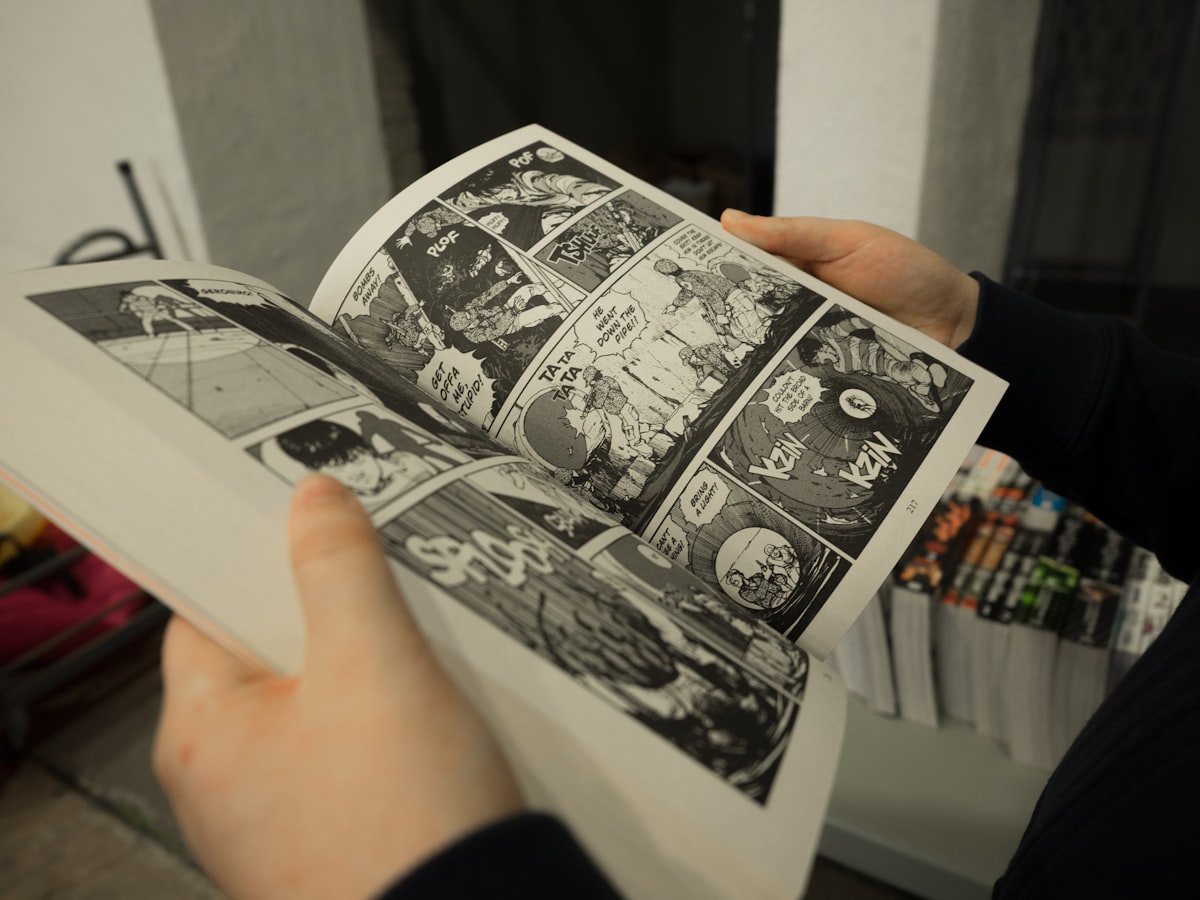
Drawing expressive manga faces is one of the most exciting skills any aspiring artist can develop. From depicting joy and surprise to frustration and determination, manga characters thrive on dramatic facial expressions. These expressions give life to a story and captivate readers in ways few other art forms can match. This guide will walk you through how to draw manga faces in a step-by-step approach, focusing on basic proportions, shading methods, and emotional impact.
At Apolline ecole d’art, we’re committed to nurturing creative talent by offering comprehensive cours manga. Our classes in ecole d’art lausanne focus on the core elements of illustration, ensuring you develop confidence in drawing expressive facial features. Whether you are a beginner ready to create your first sketches for manga faces, or an experienced artist seeking to refine your style, you’ll find something helpful in our cours manga. Let’s begin by exploring why expressive faces matter and how you can start mastering them from the ground up.
1. Why Expressive Faces Matter in Manga
Manga, by definition, is a visual storytelling medium, and faces are central to capturing each character’s mood, motivation, and personality. A well-executed manga face drawing tutorial can share a wealth of emotions through subtle changes in the eyes, eyebrows, mouth, and overall facial shape. Catchy expressions are not just for comedic relief or dramatic impact; they also help a story become memorable. Fans of Naruto face expressions, for instance, often point to how the art style manages to convey triumph, excitement, or sorrow in seconds. Similarly, the Attack on Titan art style capitalizes on intense emotions that practically burst from the page.
In a cours manga, you’ll discover that storytelling is woven into every line. By learning how to draw manga faces effectively, you empower your characters to tell a deeper story. At Apolline ecole d’art, we embrace this narrative aspect in all our workshops, guiding students to channel feelings and authenticity into each drawing. We believe that ecole d’art lausanne learners benefit not just from technique, but also from understanding how to evoke emotional reactions through line, space, and shading.
2. Understanding Basic Manga Face Proportions
The foundation of every manga face is proportion. A balanced structure sets the stage for expressive potential. While there is no single rule that every manga artist follows, certain guidelines help you keep a harmonious look. A simple approach is to divide the face into thirds—forehead to eyebrows, eyebrows to the base of the nose, and base of the nose to the chin. Knowing where to place the eyes is key to mastering manga face proportions. If you look at classic shonen manga techniques, eyes tend to be placed around the center line of the head, with the nose roughly halfway between the eye line and the chin.
If you take inspiration from shojo manga facial features, the eyes might be larger, the jawline softer, and the emotional range more pronounced. In shonen examples like Naruto or One Piece style tips, eyes might have a sharp or intense look to reflect the dynamic nature of the storyline. Regardless of style, stay consistent with your guidelines when sketching the eyes, nose, and mouth. This ensures that once you add different emotions—smiles, frowns, or gasps—the proportions do not suddenly shift, preserving visual continuity.
When you join Apolline ecole d’art and attend our cours manga sessions, you’ll get hands-on practice tracing guidelines, structuring heads, and refining facial proportion. The method is systematic, so once you learn it, you can apply it to any manga subgenre—shonen, shojo, seinen, or even a custom style blending Swiss inspirations.
3. Essential Materials and Tools
Before diving into serious artwork, make sure you have the right tools. Many aspiring artists wonder which art supplies for manga faces are best. Generally, you want versatile pencils (such as an HB or 2B) for initial sketches, an eraser that doesn’t damage your paper, and fineliners or dip pens for clean inking. Markers, brush pens, or even watercolors can add a dynamic range of tones. For digital artists, a reliable tablet and illustration software will be your primary tools.
In Switzerland, you can find high-quality materials at specialized stores in major cities or online. Resources recommended by our ecole d’art lausanne instructors include shops that carry brands known for smooth ink flow, such as Copic markers or Sakura pens. Many local students also appreciate participating in the Swiss manga community, where professionals share tips on where to buy supplies or how to replicate the Naruto face expressions style. For something more advanced, especially if you love the Attack on Titan art style, you might explore nib pens that help you create dramatic line weights. With the perfect set of tools, you can focus on details like shading, shape, and texture during your cours manga at Apolline ecole d’art.
4. Step-by-Step Guide to Drawing Expressive Manga Faces
This manga face drawing tutorial focuses on the basics. Apply these same steps to experiment with expressions for comedic, action-driven, or even romantic scenes. Practice consistently and don’t be afraid to experiment with new approaches.
Step 1: Sketch the Basic Head Shape
Begin with a light pencil outline of a circle or oval. Mark a vertical center line for symmetry and a horizontal line for the eye placement. Keep your lines smooth and light, so you can erase or adjust them easily.
Step 2: Add Guidelines for Facial Features
Place another horizontal guideline for the nose, about halfway between the eye line and the chin. Then mark a line further down for the mouth. This is the foundation that will later accommodate a variety of anime style expressions. If you want to try shonen manga techniques, make the chin a bit more angular. For shojo manga facial features, keep it soft and slightly pointed.
Step 3: Define the Unique Facial Elements
Draw two almond shapes for the eyes. Vary the size depending on the scene’s emotion; larger eyes can show innocence or surprise, while narrower eyes convey seriousness or determination. Include eyebrows that help express mood—arched for shock or slanted for anger. Add a small nose and mouth that align with your guidelines. Fine-tune your proportions to prevent a distorted look; referencing manga expression guide images can be helpful here. By this stage, your sketches for manga faces should look consistent and balanced.
Step 4: Shading Methods and Depth
After you have a refined pencil sketch, start adding depth with shading. Explore various manga shading methods: cross-hatching, feathering, or gradient shading. If you’re looking to improve manga expressions, remember that shading around the eyes can really amplify an emotion. Add gentle shadows below the chin and around the hairline. Subtle but well-placed shadows give your character presence.
Step 5: Enhance the Emotion
Now, push your character’s expression further. For anger, emphasize frowning eyebrows and sharper angles around the eyes. For happiness, enlarge the eyes, raise the eyebrows, and curve the mouth upward. The strength of manga lies in exaggerated visuals, so don’t hesitate to accentuate the features—even a small line around the eyes can convey tension or excitement. If you need references, look to One Piece style tips, where characters sport wide, dramatic expressions.
As you follow this process, you’ll notice that systematically layering proportions, guidelines, and shading helps every drawing look more professional. We encourage our students at ecole d’art lausanne to attempt multiple step-by-step facial illustrations so they can pinpoint their strengths and weaknesses. Our cours manga also highlight the importance of constructive critique, allowing you to refine your approach each time.
5. Common Mistakes and How to Avoid Them
Like any art form, manga is prone to certain pitfalls. One typical challenge is drawing oversized features. While exaggerated attributes are part of the style, going too far can undermine realism. Another misstep is failing to keep proportions consistent when shifting the face to different angles. Practicing with multiple viewpoints—front, three-quarter, and side—prevents awkward alignments. Always go back to your guidelines for reference.
Some beginners also create overly generic expressions. You can avoid this by deliberately experimenting with eyebrows, mouth shapes, and creative shadow placements. If you intend to replicate a specific character vibe, referencing the Attack on Titan art style or Naruto face expressions can help you see how professional artists handle intense emotions. Be patient; each sketch is an opportunity to improve. At Apolline ecole d’art, our experienced instructors guide students in real-time during cours manga sessions. We identify any missteps early and help you build strong habits, ensuring you progress steadily.
6. Incorporating a Swiss Cultural Flair
Manga can be universally appealing, but as a Swiss institution, Apolline ecole d’art encourages you to explore how local influences might shape your art. Incorporating Swiss motifs—like alpine flora or architectural patterns—brings a fresh perspective to your characters. Consider integrating the iconic mountain silhouettes into a piece of jewelry your character might wear, or use crisp geometric shapes inspired by modern Swiss design on clothing. The Swiss manga community is growing, and infusing personal and regional details can make your work resonate on a deeper level.
Our ecole d’art lausanne puts emphasis on experimentation. Whether you are practicing drawing emotional reactions or just refining your line art, feel free to weave Swiss elements into your story. This approach not only highlights your unique identity but also broadens the visual language of manga. With guidance from our cours manga, you’ll find exciting ways to blend different cultural aesthetics while retaining the unmistakable charm of manga.
7. Practicing and Sharing Your Work
The key to mastering expressive manga faces is consistent practice. Dedicate time each day or each week to drawing at least one full face in various emotional states—joy, anger, shock, sadness, or intense focus. As you practice, note improvements and areas needing more work, such as eye symmetry or mouth placement. Deliberate practice helps you refine your technique, especially if you follow a structured manga face drawing tutorial regularly.
Engaging with the Swiss manga community is another excellent way to receive constructive feedback. Local art clubs, online forums, and social media groups devoted to anime style expressions can offer insights and tips. You might also discover events or exhibitions in Switzerland where you can showcase your portraits. Students at ecole d’art lausanne often form study groups and attend conventions together. By actively sharing your sketches, or even participating in step-by-step facial illustrations challenges, you build confidence and stay motivated to keep drawing.
If you’re ready to deepen your skills, Apolline ecole d’art offers advanced cours manga that dive further into character design, narrative structure, and specialized inking techniques. When you collaborate with other students, you also get to see how they approach different expressions, which broadens your perspective. Whether your goal is to create your own comic or simply to improve manga expressions, a supportive environment will help you reach your fullest potential.
8. Conclusion
Capturing strong emotions through manga faces is all about understanding proportions, mastering shading, and boldly experimenting with styles. By aligning these techniques—head guidelines, balanced features, exaggerated expressions, and local creative influences—you’ll develop a distinct artistic voice. The power of manga lies in its ability to communicate deep emotion through seemingly simple lines, and expressive faces serve as the gateway to this visual language.
We invite you to continue honing your skills at Apolline ecole d’art. Our ecole d’art lausanne offers immersive cours manga that empower you to confidently draw faces brimming with personality. Keep practicing, share your progress with a supportive community, and don’t hesitate to explore the world of manga beyond its standard boundaries. Enroll in one of our specialized cours manga today, and start creating characters whose faces speak volumes!
Leave a Reply