Introduction
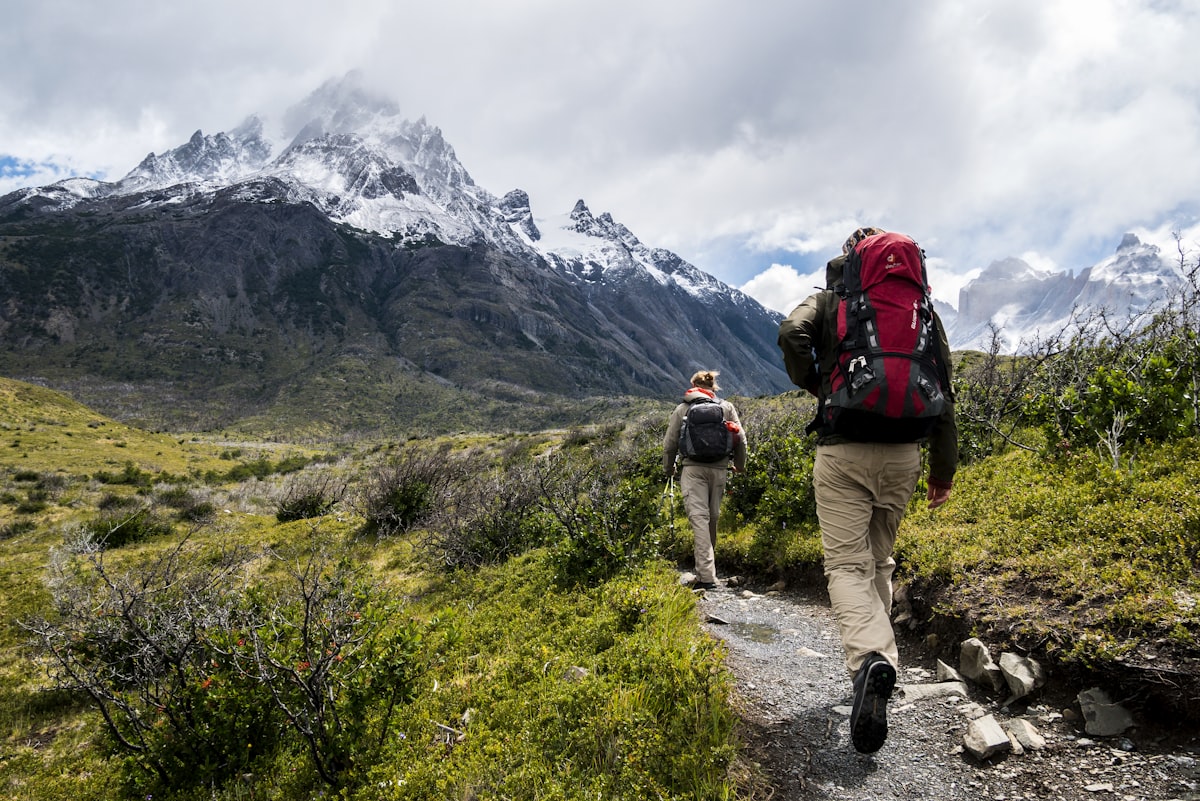
Imagine standing on a scenic summit, cool mountain air gently brushing your face, and a weekend of French Alps hiking adventures stretched out before you. The French Alps are known for their dramatic peaks, lush valleys, and accessible trails suited for many skill levels. Planning a weekend hiking trip here is a thrilling escape from daily life, offering a perfect balance of challenge and natural beauty. Yet, a successful trip to the Alps requires thoughtful preparation. In this guide, you will learn how to plan a weekend hike in the French Alps, understand the terrain, optimize your gear, and pick routes that match your experience. By taking these steps, you can ensure a safe and memorable time in one of Europe’s most stunning mountain ranges.
This post covers everything from hiking clothing considerations to physical conditioning. It also outlines an essential hiking checklist for the Alps, ensuring you won’t forget vital items like water bottles or a sturdy pair of hiking shoes. Whether you are looking for best French Alps hiking routes for beginners or planning a short trekking itinerary near Chamonix, you’ll discover valuable insights. Let’s dive in and explore why being fully prepared will transform a simple outdoor outing into a lifetime memory.
Understand the French Alps Terrain and Weather
The French Alps offer diverse landscapes—towering peaks, rolling hills, glacial lakes, and deep valleys. Depending on where you go, you might encounter gentle trails or steep ascents. This variety is partly what makes French Alps hiking so appealing, but it also highlights the importance of proper research. Remember that Hillwalking vs. alpine trekking differences exist, such as elevation gain and weather shifts. The higher you climb, the chillier it tends to get. This is why gearing up for altitude changes is crucial for anyone visiting the region.
One of the most critical weather considerations in the French Alps is how quickly conditions can shift. Temperatures might be comfortable in the valley but plunge dramatically at higher elevations. Always monitor local forecasts through reliable sources, such as the Meteo France website, to anticipate snow, wind, or sudden rainfall. If the forecast suggests storms or poor visibility, take extra precautions or adjust your route. Incorporating Salomon hiking gear built for changing weather also makes a difference in safety and comfort.
When planning your weekend hiking trip, spring and early autumn generally offer milder conditions. In spring, you’ll find melting snow, while autumn often brings clear skies and delightful foliage. Summer is popular, but trails can be more crowded. Regardless of the season, be mindful of alpine safety guidelines for new hikers, such as carrying layers, notifying someone of your plans, and sticking to marked paths.
Gear Up for the Weekend
Choosing the right gear elevates your adventure in the French Alps, especially for a short getaway. By focusing on high-quality equipment suitable for mountain conditions, you minimize discomfort and enhance performance. Below we break down three essential elements of gear preparation: clothing, footwear, and hydration.
Clothing Essentials
Learning why invest in quality hiking clothing can save you from unhappy surprises during your trip. A layered approach works best, giving you the flexibility to add or remove pieces based on temperature changes. Begin with a breathable base layer to manage sweat, followed by an insulating mid-layer, and finally a weatherproof outer layer (windproof or waterproof). This system traps warmth while letting moisture escape, keeping you comfortable throughout the day.
When it comes to hiking clothing, seek out materials like polyester, wool blends, or synthetic fibers that dry quickly. Avoid heavy cotton, which can hold moisture and make you colder at higher altitudes. If you’re still debating why invest in quality hiking clothing, remember it can significantly delay wear-and-tear and keep you safe from harsh elements. Consider exploring Salomon apparel for reliable and stylish options that cater to various weather conditions. Whether you’re faced with light rain, wind, or pleasant sunshine, Salomon brand offers pieces designed with durability and comfort in mind.
Footwear Considerations
Well-fitted hiking shoes set the foundation for any mountain adventure. The rugged nature of the Alps requires quality support and protective soles to help you handle rocky or slippery surfaces. Salomon footwear, for example, is designed for varied terrain and foot shapes, ensuring you get enough stability during your weekend hiking trip. Investing in Salomon brand shoes can ease your mind about trail footwear failure, especially in unpredictable Alpine weather.
Try out your new pair before heading to the mountains to avoid blisters. Short practice walks or a moderate local trail help you break them in. Even a brief test-run in your neighborhood can highlight any discomfort or sizing issues. If you’re seeking extra security, a light hiking pole is beneficial—particularly for those who are new to French Alps hiking or worried about steep descents. Combine appropriate footwear with your multi-layer hiking clothing to create an optimal balance of comfort, protection, and mobility.
Hydration & Water Bottles
Hydration often becomes increasingly important at higher altitudes. The air tends to be drier, and you might sweat more while climbing. You’ll need to carry enough water bottles or use a hydration bladder to ensure you can replenish fluids throughout the day. Think about using collapsible water containers if space in your pack is limited. If you prefer a simpler solution, standard water bottles in BPA-free plastic or stainless steel are also dependable options.
For safety and hygiene, purify water from natural sources. You can use filters, tablets, or UV devices that remove bacteria and other impurities. This is especially useful when opting for a short trekking itinerary near Chamonix or if your chosen route lacks easily accessible drinkable water. Keeping your fluid levels in check prevents dehydration and contributes to better performance when tackling challenging trails. Additionally, check out Salomon hiking gear hydration packs, as many designs allow you to carry water comfortably and access it without removing your backpack. By focusing on hydration solutions, you cover one of the most crucial points on your essential hiking checklist for the Alps.
Physical Preparation
Being active in your everyday life gives you a head start in the French Alps, but you may still need to adapt to steeper trails and altitude differences. Gearing up for altitude changes involves more than just packing the right clothes or gear; it includes preparing your body to handle thinner air. If you live at sea level, consider adding extra cardio to your routine. Stair climbing, brisk walking, or running helps build endurance. Supplemental strength training—like squats and lunges—strengthens the lower body, which is critical for hilly terrain.
A proper warm-up and stretching routine minimises stiffness and injury risk. Flexibility in your legs, ankles, and hips helps you feel steady with every step, reducing the likelihood of painful twists or strains. When your muscles are primed for the demands of higher terrain, you can enjoy the scenery without constant fatigue. Even a few weeks of light training can make a significant difference. Remember that restricting your pack to the necessities—like Salomon apparel, a couple of water bottles, snacks, and your map—relieves strain and keeps you agile.
Planning Your Itinerary
Figuring out how to plan a weekend hike in the French Alps means matching routes to your fitness level, time constraints, and personal interests. Some trails cater to beginners, others challenge advanced hikers, and there’s plenty in-between. By researching top hiking destinations in the French Alps, you can prioritize areas known for scenic vistas or calmer pathways. For instance, you might start with best French Alps hiking routes for beginners around Lake Annecy if you’re new to climbing. This region often includes moderate ascents and well-maintained paths.
Alternatively, if you want a more dramatic expedition, build a short trekking itinerary near Chamonix that highlights iconic Alpine views. Though the climbs can be steeper here, rest stops and cable car access offer some flexibility. Tracking tools like apps or detailed paper maps help you gauge distance, elevation, and trail conditions. Keep packing tips for alpine hiking in mind, too. A correct gear setup ensures you get the most out of your time outdoors.
When adding elements to your schedule, consider incorporating rest breaks, lunch stops, and potential weather delays. If you can, extend your weekend hiking trip to include exploring local villages or indulging in Alpine cheese—these special touches contribute to a truly immersive mountain experience. You might also note recommended side trips, or landmarks that are unique to certain valleys. If you need more comprehensive gear or Salomon footwear along the way, you can visit the Salomon official store in nearby towns or shop online before you depart.
Safety Tips and Best Practices
Safety becomes paramount amid the unpredictable allure of the mountains. Simple measures, such as checking up-to-date trail conditions and reading regional park regulations, go a long way. Since remote areas have varied terrain, it helps to research alpine safety guidelines for new hikers or connect with local experts and guides. Always inform someone of your planned route, estimated times, and any overnight stop details.
Carrying a small first-aid kit is standard practice when French Alps hiking. Hemostatic bandages, blister pads, and pain relievers can be invaluable in case of minor accidents. Pack a whistle or signal mirror to attract help if you become disoriented. Tracking weather updates via websites or local visitor centers can further protect you. Should storms roll in, seeking lower ground is a better option than pushing forward on a hazardous ridge. Your health and safety always come first, so don’t hesitate to adjust your itinerary if conditions deteriorate.
Also, be mindful of Hillwalking vs. alpine trekking differences. On hillwalks, trails might be more straightforward without dramatic elevation jumps. Alpine trekking, on the other hand, exposes you to ridgelines, glacial basins, and sharp temperature variance. Even for a short getaway, these factors require good planning, so review all weather considerations in the French Alps before stepping foot on the trail. By practicing these strategies, you’ll have an easier time navigating new terrain.
Conclusion
A weekend hiking trip in the French Alps offers a golden opportunity to reconnect with nature and challenge your abilities. But success hinges on thorough preparation. From choosing suitable Salomon apparel and Salomon footwear to mapping out top hiking destinations in the French Alps, being properly equipped sets the stage for unforgettable moments. Tailor your workouts to match Alpine terrain, pay attention to weather forecasts, and follow alpine safety guidelines for new hikers. For maximum enjoyment, keep an essential hiking checklist for the Alps in mind—featuring items like layered hiking clothing, quality water bottles, and comfortable Salomon hiking gear.
By covering these bases, you can seamlessly transition from dreaming about the mountains to experiencing them firsthand. For expert gear recommendations, check out the Salomon official store, where you’ll find a range of recommended hiking gear for weekend trips. Start planning, pack wisely, and remember that a trip to the Alps is as much about the journey as it is about the destination. When you’re ready to step onto that first trail, you’ll be glad you invested the time to plan responsibly.
Looking for more tips or specialized options to make your next adventure even better? Visit the official Salomon website and discover how our dedicated community and product lines can help elevate your future outings in the most breathtaking mountain regions of France.
Leave a Reply