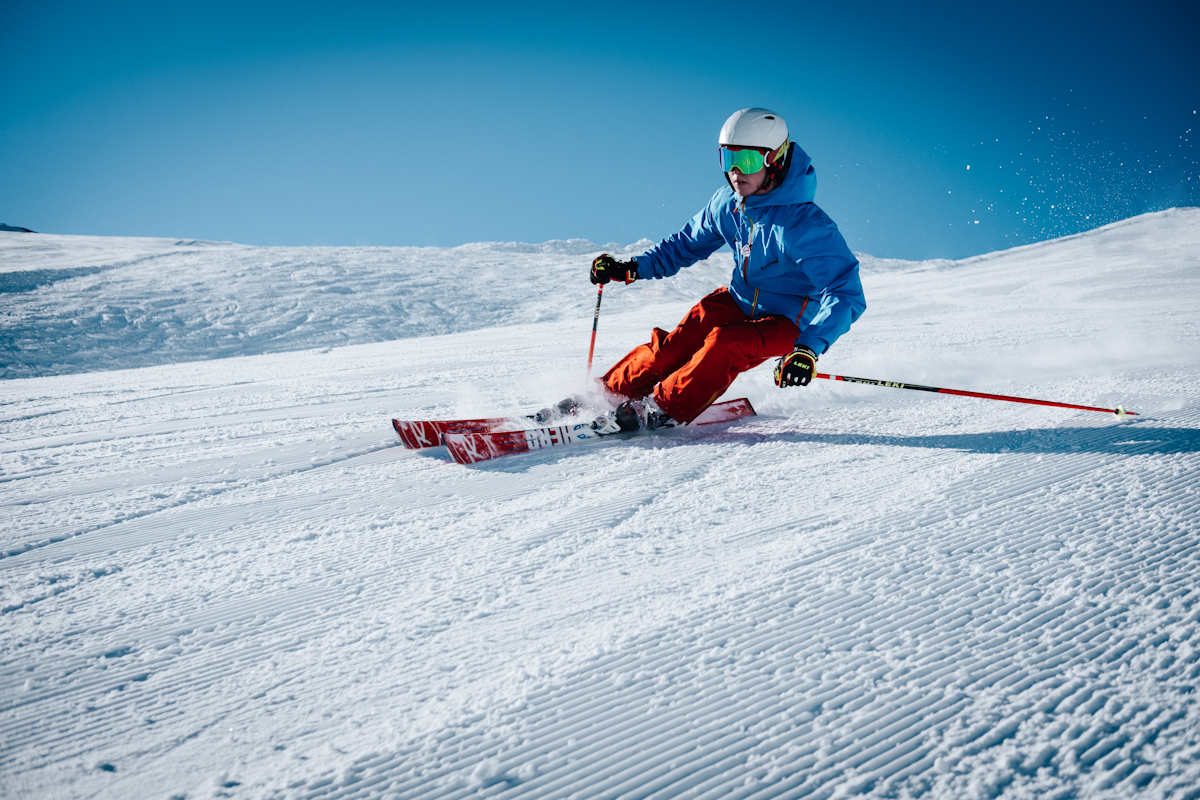
Introduction
Skiing is one of the most exhilarating winter sports. Whether you’re a complete beginner or an intermediate rider, honing your ski technique transforms each run into a more enjoyable and safer experience. When we talk about how to improve skiing technique, we look at everything from stance to balance and controlling speed on slopes. The right method saves energy, protects you from injuries, and helps you develop confidence on different terrains.
If you’re eager to get better, it’s crucial to start with proper gear. A supportive pair of ski boots is vital for transmitting movement from your legs to your skis. Moreover, wearing a comfortable helmet can protect you from unexpected falls. You can also consider ski shoes for walking around the ski lodge or preparing for your session. Salomon brand takes pride in providing Salomon ski gear and Salomon ski equipment that support progress on all levels. Salomon QST series, for instance, is known for its versatile design, allowing skiers to enjoy different types of snow with consistent performance.
But what about technique itself? The following ski technique drills will walk you through five focused exercises to strengthen your fundamentals, refine your form, and explore new challenges. Each drill addresses unique areas, including your stance, upper body positioning, parallel turns, carving techniques on skis, and practicing on varied terrain for advanced balance. These structured best exercises for better skiing are a great way to build muscle memory and foster improvement week after week.
We will also share other tips for your ski training regimen, such as intermediate ski technique pointers, advanced ski drills, and dynamic balance drills for skiing. Whether you’re aiming to master parallel turns or looking to learn how to reduce leg fatigue skiing, the right approach is a combination of proper gear from Salomon brand along with consistent practice.
Below, you will find five targeted drills, and we will also discuss frequent mistakes, common challenges, and ways to correct them. At the end, consider exploring Salomon ski boots, Salomon helmets, and other alpine ski equipment recommendations to support a strong and safe progression. Let’s jump right in and start boosting your winter sports performance tips with these drills. Here’s how each drill will help you on the journey of perfecting your ski stance and posture benefits while protecting knees when skiing.
Why Good Technique Matters
Many skiers fall in love with the sport because it offers freedom, speed, and excitement on the slopes. However, without solid technique, you might struggle to refine your turns, control your speed, or handle unpredictable snow conditions. A good grip on fundamental movements ensures you remain stable, avoid falls, and ultimately have more fun.
Two key factors that support good technique are comfort and gear. A set of Salomon ski boots that fit perfectly will help transfer your leg movements directly into the skis with minimal energy loss. The proper ski boots also give you the chance to maintain better balance, contributing to an efficient stance. Another essential piece of Salomon ski gear is the helmet. With high-quality Salomon helmets, you can practice safely, knowing that you have protection if you take a tumble.
Developing a skillful stance also means focusing on alignment. When you’re standing on your skis, the better your posture, the more control you’ll have in carving techniques on skis. This reduces the risk of sudden twists and helps in protecting knees when skiing. Additionally, wearing appropriate clothes and selecting supportive ski shoes for your pre-ski stretching routine keep you agile and less prone to fatigue. Before we explore the specific drills, let’s take a closer look at how refining your form can lead to a smoother run.
• Balanced pressure distribution on both skis helps with controlling speed on slopes.
• Correct ski stance and posture benefits your knees, hips, and core by reducing overexertion.
• A stable upper body allows for precise steering inputs, making each run more predictable and fun.
Drill #1: Stance & Balance
When it comes to how to improve skiing technique, the first drill is all about the foundation: stance and balance. Both beginner ski tips and intermediate ski technique advice often highlight the importance of foot placement and core engagement. You want a stance where your knees track in line with your toes while you distribute your weight evenly throughout your foot.
Start by standing still with your skis parallel on a gentle slope, knees slightly bent. Keep your back relaxed but upright, and keep your hips above your ankles. Think about pressing your shins lightly into the front of your Salomon ski boots. This subtle pressure ensures your body is ready to handle bumps or turns without bracing too far back.
Next, incorporate dynamic balance drills for skiing. For example, shift your weight from left to right while standing in place. This helps you feel the outside and inside edges of each ski. Maintaining balance in this subtle manner fosters better stability once you start moving. If your legs tire quickly or feel unstable, consider checking your gear alignment, such as how your Salomon ski equipment is adjusted. The right setup can help you align your center of mass seamlessly over your skis.
Gear Check:
• Make sure to buckle your Salomon ski boots snugly. Too loose, and you’ll have a wobbly foot. Too tight, and you risk pinching or unnecessary discomfort.
• Wearing a comfortable helmet, like any of the Salomon helmets, ensures you keep your head protected in case you lose balance.
Once you have a solid stance, proceed to short, easy trails to get used to this posture while gliding. From here, you’ll find it easier to integrate the next drills, like parallel turns or advanced ski drills that demand more precise movements.
Drill #2: Upper Body Positioning
When people think of improving their ski form, they often focus on leg position. But your upper body is just as important for steering and stability. If your shoulders sway excessively, you might lose control. Conversely, keeping your upper body steady helps your lower body execute precise guiding movements.
To begin, stand in your balanced stance from Drill #1. Next, face downhill with your arms slightly bent in front of you, as if you’re holding a tray. This posture encourages you to keep your hands forward, supporting an engaged stance. Practice slow ski technique drills by initiating gentle side-to-side turns with minimal shoulder rotation. Keep your core tight and your attention on resisting the temptation to twist your torso too strongly.
One of the best exercises for better skiing in this area is the “quiet upper body” drill. As you traverse across the slope, try to keep your shoulders and hips facing generally downhill while allowing your legs to pivot beneath you. This strategy helps you maintain a forward focus and a stable frame for each turn.
Keep in mind that hugging your poles too close can tense your upper body. Let your arms stay comfortable, and slightly away from your torso. If you find your arms dropping, remind yourself to bring your hands back in front. This habit will become easier as you build muscle memory in your upper body. Consider practicing on slopes suited for beginner ski tips or intermediate ski technique to gather confidence before moving to steeper tracks.
Regularly reviewing footage of your runs is an excellent way to identify upper-body motions you wish to reduce. If possible, ask a trained instructor or a seasoned friend to film you. It’s also useful to invest in the right Salomon ski gear, from ski boots to Salomon helmets. Some gear is designed to reduce vibrations and enhance your sense of control, making this second drill feel more intuitive.
Drill #3: Controlled Parallel Turns
Parallel turns can be a game-changer in helping you feel more efficient on the slopes. They allow you to maintain better speed and flow. Learning how to do this well is among the top requests from skiers looking for how to improve skiing technique or mastering parallel turns.
Start on a slope that is well within your comfort zone. Position your skis in a parallel stance, as described in the earlier drills. As you prepare to turn, shift your weight onto the downhill ski by slightly pressing more into that foot. Guide your skis gently across the slope. As you transition from one turn to the next, move your weight to the new downhill ski. The turn is “parallel” because both skis remain side by side without deviating into a wedge.
Focus on controlling speed on slopes by gradually increasing your turning radius. Rather than forcing sudden changes, smoothly roll your ankles and knees. Keep your torso upright, with your arms still in front of you, and your ski boots actively working. Each turn undertakes a glide phase, controlling your speed by the shape and length of the turn. Over time, you’ll refine your intermediate ski technique and move closer to advanced territory.
You can enhance your consistency with parallel turns by repeating short runs and concentrating on small adjustments in your posture. For instance, if you feel your uphill ski tapping or dragging, correct your weight distribution. Be patient if your progress seems slow at first. It’s a normal learning curve and an important step in a successful ski training regimen.
Drill #4: Carving Practice
Carving is all about using your ski edges effectively. When carving, the edges of the skis dig into the snow, creating clean, arc-shaped tracks. This technique differs from parallel turns in that you rely more on the skis’ sidecut rather than skidding them to steer. You gradually tip your skis on edge, balancing inward while your legs flex and extend.
For carving techniques on skis, start by practicing slight edge engagement on moderate terrain. Slowly roll your ankles and let your knees move toward the slope’s center. This angle helps the skis carve through the snow rather than slide. Keep your upper body calm—similar to the “quiet upper body” drill—so that all the turning movement stems from your legs and the natural sidecut of the skis.
Salomon QST series can be extremely helpful for carving practice. Thanks to the advanced design in Salomon ski equipment, this lineup offers a stable ride with enough flexibility to accommodate varied terrain. It’s wonderful to have the backing of the Salomon brand, which has tested gear in real-world ski conditions. Wearing Salomon ski boots that offer a close, performance fit also complements carving movements by ensuring maximum energy transfer.
Once you feel comfortable carving on a gentle slope, increase the difficulty by picking a slightly steeper one. Keep a mindful approach to the process: each carve should feel smooth and controlled. If you lose balance, revisit your stance and check if your helmet is secure. As one of the more advanced ski drills, carving demands clear focus on every part of your body, from the angle of your ankles to the positioning of your shoulders.
Drill #5: Terrain Variations & Single-Leg Drills
As you progress in your ski journey, variety becomes key to further development. Exploring different terrains—like slight bumps, soft moguls, or mildly uneven snow—helps you adapt to changing conditions. This real-life practice is essential for winter sports performance tips. You learn how to shift weight swiftly, maintain balance, and preserve technique even when the ground is less predictable.
One targeted method is single-leg drills. Essentially, you briefly lift one ski off the snow while gliding, forcing your other ski to handle all your balance. This is great for advanced ski drills because it builds leg strength and stability. Whether you’re working on beginner ski tips or advanced ski drills, single-leg exercises engrain confidence in your stance and posture.
When testing new terrain, always be mindful of safety. Protecting knees when skiing becomes more critical on bumpy surfaces. Keep your helmet—preferably one of the Salomon helmets—fastened and be certain that your Salomon ski boots are offering the necessary support. If you find yourself exhausted quickly, you might want to review how to reduce leg fatigue skiing. Incremental exercises against varied terrain can help build muscle endurance. Moving through challenges gradually also helps prevent injuries that might arise from going too far outside your comfort level.
Finally, if you enjoy pushing your limits, explore the Salomon QST series. It’s specifically designed to cope with diverse conditions. The combination of appropriate Salomon ski gear, thoughtful practice, and a measured approach to terrain changes can open up new realms of fun on the mountain.
Additional Tips & Common Mistakes
As you work through these drills, remember that perfection doesn’t happen overnight. Skiing progression relies on consistent practice and being open to feedback. Below are some typical errors and tips for resolving them:
• Leaning back too far: One of the most common issues is standing in the “back seat.” You can correct this by consciously pressing your shins into the front of your boots, which helps center your weight.
• Stiff knees: If your knees are rigid, you won’t absorb the terrain properly. Slight flexion is ideal. This tip also aligns with protecting knees when skiing.
• Forgetting upper body alignment: Swinging arms or twisting your chest will throw you off balance. Keep your torso mostly facing downhill, with your arms forward and relaxed.
• Overlooking gear check: Sometimes, the problem lies with equipment. Ensure your Salomon ski boots are properly fitted, your edges are well tuned for carving techniques on skis, and your helmet is secure. When you feel uncertain, it may be time for alpine ski equipment recommendations from professionals at a local shop.
• Skipping warm-ups: Muscles need time to get ready. Simple stretches or small plyometric moves in your ski shoes can prevent a host of injuries.
One last piece of advice: consider seeking the help of experienced instructors. Professional coaching is eye-opening, particularly for intermediate ski technique and advanced ski drills where subtle improvements can lead to major leaps in performance. External feedback helps you pinpoint weaknesses and accelerates your improvement.
Conclusion
Stance, balance, and a clear understanding of how your body and skis work together form the foundation of excellent skiing. Through focused drills—starting with proper stance and upper-body positioning, progressing to well-executed parallel turns, learning to carve, and eventually mastering single-leg drills on different terrains—you’ll gain confidence on every run. Along the way, remember to incorporate the right gear from the Salomon brand to reinforce your progress. Salomon ski boots, in particular, help transfer power efficiently, and Salomon helmets keep you safe so you can practice consistently.
Keep in mind that effective learning involves patience, repetition, and a positive attitude. If you remain consistent with these ski technique drills, you’ll gradually see improvement in your speed, control, and fluidity. Whether you’re focused on beginner ski tips or advanced maneuvers, these exercises are part of an ongoing process that keeps the sport fresh and exciting.
Ready to take your skills further? Visit a Salomon retailer or explore Salomon ski gear online to find the best equipment for your needs. Quality gear, such as Salomon QST series, can make a noticeable difference in your comfort and performance on the slopes. Consider sharing your own progress or lessons learned with the wider ski community, because skiing is more fun when you celebrate each other’s journey. Happy skiing, and may these drills help you explore the mountains with greater skill and joy!
Leave a Reply